

Department of Structural, Geotechnical and Building Engineering, Politecnico di Torino, Turin 10129, ItalyArtificial intelligence for design; Computational design; Generative design; Digital twin; Structural design and optimization
Giuseppe Carlo Marano is a structural engineer internationally recognized for his expertise in structural optimization, bridge engineering, seismic protection, and AI applications in civil engineering. He is currently Full Professor of Structural Design and Vice Director of the Department of Structural, Environmental and Geotechnical Engineering at Politecnico di Torino, and a founding member of the university’s interdisciplinary AI center, AI@polito.
Prof. Marano has held international academic positions at institutions including University of Cambridge, Loughborough University, Hunan University, and Fuzhou University. His recent research focuses on artificial intelligence and machine learning applications in structural retrofitting, bridge engineering, and 3D printing technologies for construction.
He has participated in several major international research projects, including the European COST Action TU1406 and the ADDOPTML project on AI-assisted optimal design and manufacturing of civil structures. Prof. Marano has also organized and delivered keynote speeches at numerous international conferences on structural optimization and AI in civil engineering.

Department of Mechanical Engineering Curtin University, Perth, AustraliaAdvanced manufacturing / engineering design; Materials and process optimization
Alokesh Pramanik is a Senior Lecturer at the School of Civil and Mechanical Engineering, the Faculty of Science and Engineering, Curtin University. He earned his master’s and Ph.D. degrees in Mechanical Engineering from the National University of Singapore and the University of Sydney, respectively. He served as a Senior Research Officer at the Singapore Institute of Manufacturing Technology (2008); a Postdoctoral Research Fellow at the School of Aerospace, Mechanical and Mechatronic Engineering, the University of Sydney (2008–2009); a Postdoctoral Research Fellow at the School of Mechanical and Manufacturing Engineering, the University of New South Wales (2009–2010); a Research Engineer at the Australian Advanced Manufacturing Research Centre, the Faculty of Engineering and Industrial Sciences, Swinburne University of Technology (2010–2012); and a Research Fellow at the School of Engineering, Deakin University (2012), and joined Curtin University as a lecturer in 2012. His main research interests include bio-materials, bioprinting, polymer materials, and recycling plastics.

School of Civil, Mining, Environmental and Architectural Engineering, University of Wollongong, Wollongong, AustraliaOccupational health and safety; Sustainability; Renewable energy; Advanced manufacturing; Impact of severe weather events on structures
Dr Aziz Ahmed is a Senior Lecturer in Structural Engineering at the School of Civil, Mining, Environmental and Architectural Engineering. Prior to this assignment, he was a research fellow within Steel Research Hub and Sustainable Buildings Research Centre at UOW, since 2016. In 2007, Aziz graduated with a Bachelor of Science in Civil Engineering from the Bangladesh University of Engineering and Technology. In 2013, he completed his Doctor of Philosophy in Structural Engineering at the National University of Singapore (NUS). He was a Post-doctoral research fellow at NUS before joining the University of Wollongong. Dr Aziz Ahmed is currently a member of the American Society of Civil Engineers and Engineers Australia. He is also a certified project management professional.
To date, he has received sixteen competitive grants. The first two were in the year 2018. Future Challenges award proof-of-concept fund by Steel Research Hub and UOW Global Challenges Seed Fund Award. He is involved in the recently successful Steel Innovation Hub supported by the ARC Industrial Transformation Research Hubs scheme. He is an investigator in a successful 2021 RevITAlise Research Grant Scheme (RITA) grant developing 3D printed hailstones for Hail Damage Assessment on Steel Roof and solar panels. He successfully led a Major Equipment Grant (MEG) application for Super-fast large-scale 3D printing equipment to enable multidisciplinary research on sustainable plastics recycling into the circular economy. He is the UOW lead for a successful UOW-ANSTO Seed Fund looking at a practical and scalable recycling solution for Medical Waste Plastics sterilized by Gamma Irradiation. He is a co-investigator in a 2021 University Global Partnership Network (UPGN) funded research collaboration project with the University of Surrey and the University of North Carolina on developing Synergistic Hybrid Marine Renewable Energy Harvest Systems. In 2022, he successfully obtained another UGPN grant on Bamboo for Sustainable Construction and Quality of Life Improvement. He is a CI for a Global Research Small Grants Scheme-funded project on Developing a chatbot for sharing construction safety knowledge. In 2022, he obtained a UOW AEGiS Connect fund to develop 3D-printed concrete with Accelerated Buildability. He was also successful in obtaining an EMCR Enabling Grant in 2022. He is a co-investigator in the UOW Global Research Small Grants Scheme-funded project on the Developing a chatbot for sharing construction safety knowledge He is the UOW lead for the NSF-CSIRO Convergence Accelerator Track I Sustainable Materials Phase 1 grant 2023. He also received UOW-Industry 4.0 Hub co-funding for his project on the Development of a collaborative robot-mounted pellet extrusion-based 3D printing system, he received two UOW Global Challenges Seed Funds for his projects on the Development of wearable sensors for the occupational health and safety improvement of construction workers (Chief Investigator) and Offshore Renewable Energy Knowledge Mobilisation (Investigator). He also received the 2023 UOW-Tesltra AIOT Hub's Seed fund for his project on Deep learning-enabled wearable sensors to facilitate a predictive warning framework aimed at improving the occupational health and safety of steel construction workers.
His main areas of interest in UN SGDs are goals 3, 7, 9, 11 and 13, focusing on occupational health and safety, sustainability, renewable energy, advanced manufacturing, and the impact of severe weather events on structures. Dr Ahmed also contributed as a reviewer for more than thirteen tier-one journals in the field of Structural Engineering.
He serves on the main Committee of two UOW Early Career Academic bodies, the Early Career Academic Network (ECAN) and the Early Career Disruption Committee (EC-DC).
He is also very keen on applying novel technologies in teaching, blended learning and flipped classrooms. He has organized a speed networking event for final-year students at the School of CME (https://www.uow.edu.au/events/2021/cme-speed-networking-event.php).
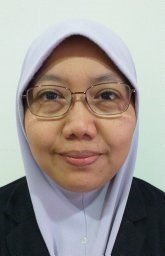
Department of Mechanical and Manufacturing Engineering, Faculty of Engineering, Universiti Putra Malaysia,Serdang, Selangor, MalaysiaMechanical design; Computational methods; Impact engineering; Fluid-thermal interaction
Assoc. Prof. Ir. Dr. Nuraini Abdul Aziz is a registered professional engineer with the Board of Engineers Malaysia (BEM) and an Associate Professor in the field of solid mechanics. Her research expertise focuses on computational mechanics, with emphasis on multi-level design of complex systems.
Her work includes crashworthiness analysis, coupled fluid-thermal-structural-vibration interactions, uncertainty in engineering design, and the optimization of structures and materials. She is actively involved in advancing computational approaches for the analysis and design of complex engineering systems.

ADI Associazione Disegno Industriale, Milan, ItalyDesign strategy; Design education; Design researches
Prof. Carlo Branzaglia teaches at the Academy of Fine Arts of Bologna, where he previously coordinated the Design Center Bologna and the Department of Applied Arts. He is the coordinator of the Master's programme in Graphic Design at IED Milan and serves as the scientific coordinator of ScupAcademy. He is a member of the Board of Directors of ADI (Italian Association for Industrial Design), the Scientific Committee of the Cirulli Foundation, the Editorial Board of Design X, and the Editorial Committee of Mèdia2000. He has also served four times as an Ambassador of Italian Design, representing Italy in Ankara (2018), Minsk (2019), Zagreb/Rijeka (2022), and Jakarta/Bandung (2024).

Technische Universiteit Eindhoven, Eindhoven, the NetherlandsDesign theory; User-centred design; Information flow analysis; Data analytics; Design quality modelling; Quality and reliability engineering
Aarnout Brombacher is Full Professor of Design Theory and Information Flow Analysis. Brombacher has an interest in field-data analysis of complex systems in interaction with users and user communities, data analytics and the resulting customer perceived design quality models. His early career at Eindhoven University of Technology (TU/e) focused on quality and reliability management, both in the Department of Industrial Design and the Department of Mechanical Engineering. He has extensive experience in industrial quality and reliability improvement projects and developing tools and analysis methods for this field.
Later, his interests shifted to sports, activity and human health, using the increasingly available amounts of individual activity data to help create opportunities for more people to become active. He is currently member of the National TopTeam (advisory body of the Dutch government) on Sports and Vitality representing the 14 Dutch universities in this field.
School of applied economics, Guizhou University of Finance and Economics, Guiyang, ChinaUrban design; Regional economy; Multilayer complex networks; GIS; Urban land use
Professor Ding Rui, Ph.D. in Urban Planning and Design, Universiti Putra Malaysia. Currently serves as the Lead of the Guizhou Provincial Innovation Team, Reviewer for the National Natural Science Foundation of China (NSFC), Reviewer for the China Scholarship Council (CSC), and Review Expert for the Departments of Natural Resources and Science & Technology of Guizhou and Guangxi Provinces. He is the Head of the Supervisor Group for Master's Students in Regional Economics, Supervisor for Master's and Phd Students. He serves as an Editor/Editorial Board Member for Humanities & Social Sciences Communications, an Editorial Board Member for Heliyon (Cell Press), and a Guest Editor for Sustainability (MDPI). He is a member of the Guizhou Society of Economics and the Guizhou Society of Quantitative Economics, and has been invited as a peer reviewer for renowned journals including Nature Communications, Sustainable Cities and Society, Cities, and Information Science. His primary research interests include urban design, regional economics, digital economics, green economics, urban development, and network complexity. To date, he has published over 70 papers in SCI, SSCI, CSSCI, and Chinese core journals, including more than 10 in TOP journals, with outlets such as Expert Systems with Applications, Humanities & Social Sciences Communications, Social Indicators Research, Systems, Renewable Energy, and Ecological Indicators. He has led two NSFC projects, participated in two national-level projects, and completed over ten provincial- and departmental- level research projects, including the Guizhou Provincial Department of Science and Technology Basic Research Program (Science and Technology Fund). His policy reports and advisory briefs have received multiple endorsements from provincial- and departmental- level leaders.

The ATLAS Institute, University of Colorado Boulder, Boulder, USAIndustrial design; Interactive computing; Design computing
Ellen Yi-Luen Do (Professor, ATLAS Institute & Computer Science) invents at the intersections of people, design, and technology. She works on computational tools for design, especially sketching, creativity, and design cognition, including creativity support tools and design studies, tangible and embedded interaction and, most recently, computing for health and wellness.
She holds a Ph.D. in Design Computing from Georgia Institute of Technology, a Master of Design Studies from the Harvard Graduate School of Design, and a bachelor's degree from National Cheng Kung University in Taiwan. She has served on the faculties of the University of Washington, Carnegie Mellon University, and Georgia Institute of Technology. From 2013 to 2016, she co-directed the Keio-NUS CUTE Center in Singapore, a research unit investigating Connected Ubiquitous Technology for Embodiments. Ellen has published over 170 papers and raised over $11M in research funding. She was Design Community Chair for ACM CHI (2012 and 2013), and currently serves on the Steering Committees for ACM Conference series of TEI (Tangible, Embedded and Embodied Interaction, since 2011) and C&C (Creativity & Cognition, since 2017), ISWC (International Symposium on Wearable Computers, since 2018), and AH (Augmented Human, since 2015), and on the editorial board for AIEDAM (Artificial Intelligence for Engineering Design, Analysis and Manufacturing), Springer Series on Cultural Computing, and AUSMT. She enjoys playing the Djembe and performs at festivals and other venues with the Sensua Players.

Guangdong Provincial Key Laboratory of Interdisciplinary Research and Application for Data Science (IRADS), Beijing Normal-Hong Kong Baptist University, Zhuhai 519087, ChinaExperimental design; Multivariate analysis; Regression analysis; Advanced statistics
Professor Fang is a reputable statistician. He was elected as life Fellow by the Institute of Mathematical Statistics (IMS) in 1992 and life Fellow by the American Statistical Association (ASA) in 2001 as well as elective member of International Statistical Institute (ISI) in 1985. Professor Fang visited Yale University and Stanford University for two years and was invited as a Guest Professor in the Swiss Federal Institute of Technology and a Visiting Professor in University of North Carolina at Chapel Hill. He was a Vice Director of the Institute of Applied Mathematics, Academia Sinica, Beijing from 1984 to 1992. He had been Chair Professor of Department of Mathematics, Hong Kong Baptist University from 1993 to January 2006, Director of Statistics research and Consultancy Centre from 1992 to 2005 and Head of the department from 2002 to 2005. His research interests are in statistics and mathematics, more specific, in experimental design, multivariate analysis and data mining. He has been a productive author, including published 24 books (including 6 monographs in English), over 300 referred papers. He was the co-inventor of the uniform experimental design, which is used by engineers to expedite product development. He developed new methods for inference in generalized multivariate analysis. Prof. Fang received a number awards. Recently, he received 2008 The State Natural Science Award at the Second Level with Wang Yuan, 2012 Guangdong Excellent Teacher by the Guangdong Government and 2012 Zhuhai Advanced Teachers by the Zhuhai Government. Recently Professor Fang received 2014 ICSA Distinguished Achievement Award.

School of Architecture (SoA), Southern Illinois University, Carbondale, IL 62901, USADesign research; Performative architecture; AI gaming; AR/VR; Digital fabrication
Dr. Eric Farr is an internationally recognized academic leader, award-winning educator, and active researcher with more than 20 years of senior leadership in architectural education and over 25 years of high-profile professional practice. His career is defined by institutional transformation, program growth, accreditation leadership, and the strategic integration of emerging technologies into architectural curricula and research.
Dr. Farr currently serves as Director of Graduate Studies (DGS) in the School of Architecture at Southern Illinois University Carbondale, where he provides comprehensive oversight of graduate programs, accreditation compliance, assessment frameworks, and student progression. In this role, he serves as the primary liaison to the National Architectural Accrediting Board (NAAB), leading Annual Reports and ensuring full compliance across accredited programs. He also coordinates program-wide studio assessment rubrics and graduate advising across multiple on-campus and online cohorts.
His institutional service includes college-level leadership on the PhD Task Force and the establishment of the institution’s first multidisciplinary AI Major, contributing to doctoral program strategy, interdisciplinary curriculum planning, and forward-looking academic initiatives. He also serves as a University Board Member of the Design Institute of San Diego (2023–present), supporting strategic academic–industry collaboration and design innovation.
Previously, Dr. Farr served as Full Professor of Architecture and Design at the University of Liverpool, United Kingdom, a British Ivy League institution, and as Chair of the PhD Committee and Deputy for Branding and Marketing at the University of Liverpool–XJTLU. He later served as Senior Associate Professor at Xi’an Jiaotong–Liverpool University (XJTLU), China, where he was also Director of the Digital Design and Fabrication Lab. He was an Invited Fellow Researcher at the Technical University of Munich (TUM), further strengthening his international research leadership profile.

Department of Psychology, University of Jyväskylä, Jyvaskyla, FinlandHeikki Juhani Lyytinen (born June 24, 1946 in Kuopio. He is a professor of psychology at the University of Jyväskylä . He was Professor of Psychology at the University of Jyväskylä from 1997 to 2014. Shortly after his retirement, in 2015 he was appointed Professor of UNESCO Chair at the Agora Center at the University of Jyväskylä (2015-2019) with the aim of promoting international literacy . Lyytinen wrote as a student at the Kuopio Lyceum (1965). He graduated from the University of Jyväskylä with a Bachelor of Science in Education in 1970 and a Licentiate in 1974 and a Doctor of Psychology in 1984. His doctoral dissertation (1984) was titled The Psychophysiology of Anticipation and Arousal . He is an adjunct professor at the University of Helsinki (1985–). He was the second Vice Rector of the University of Jyväskylä from 1997 to 2000. Lyytinen was Director of the Center of Excellence funded by the Academy of Finland with Professor Lea Pulkkinen from 1994 to 2005 (Human Development and Risk Factors) and with Professor Jari-Erik Nurmi (Research on Learning and Motivation) from 2006 to 2011. Lyytinen has co-authored numerous books on psychology and more than 200 scholarly articles on psychology (already by 2007). His scientific output has continued to be active even after this. Professor Lyytinen has been a member of the Finnish Academy of Sciences since 2002. He has received many honors. In 2004 he received the Nokia Prize and in 2005 he was awarded the € 50,000 Philips Nordic Prize in recognition of his outstanding research on children's learning difficulties. In 2012 he was awarded the Allvar Prize.

Karunya Institute of Technology and Science, Karunya Nagar, Coimbatore, Tamil Nadu, IndiaArtificial intelligence; Machine learning; Image processing; Data science; Artificial neural networks; Biomedical Eng.
Dr . D. Jude Hemanth received his B.E degree in ECE from Bharathiar University in 2002, M.E degree in communication systems from Anna University in 2006 and Ph.D. from Karunya University in 2013. His research areas include Computational Intelligence and Image processing. He has authored more than 310 research papers in reputed SCIE indexed International Journals and Scopus indexed International Conferences. His Cumulative Impact Factor is more than 520. He has published 49 edited books with reputed publishers such as Elsevier, Springer and IET.
He has been serving as Associate Editor of SCIE Indexed International Journals such as IEEE Journal of Biomedical and Health Informatics (IEEE-JBHI), IEEE Transactions on Intelligent Transportation Systems, Earth Science Informatics (Springer), IET Image Processing, etc. He has been serving as the series editor of “Biomedical Engineering series” (Elsevier), Editorial board member of ASTI series (Springer) and “Robotics and Healthcare series” (CRC Press).
He serves as the International Accreditation Committee Member for evaluating Higher Education Institutions in Romania, Slovenia and Montenegro. He serves as the Visiting Professor in Faculty of informatics at University of Oradea, Romania. He also serves as the Visiting Professor in Department of Engineering at University of Luxembourg, Luxembourg. He is also the Visiting Professor of Samara State Medical university, Russia. Currently, he is working as Full Professor in Department of ECE, Karunya University, Coimbatore, India.
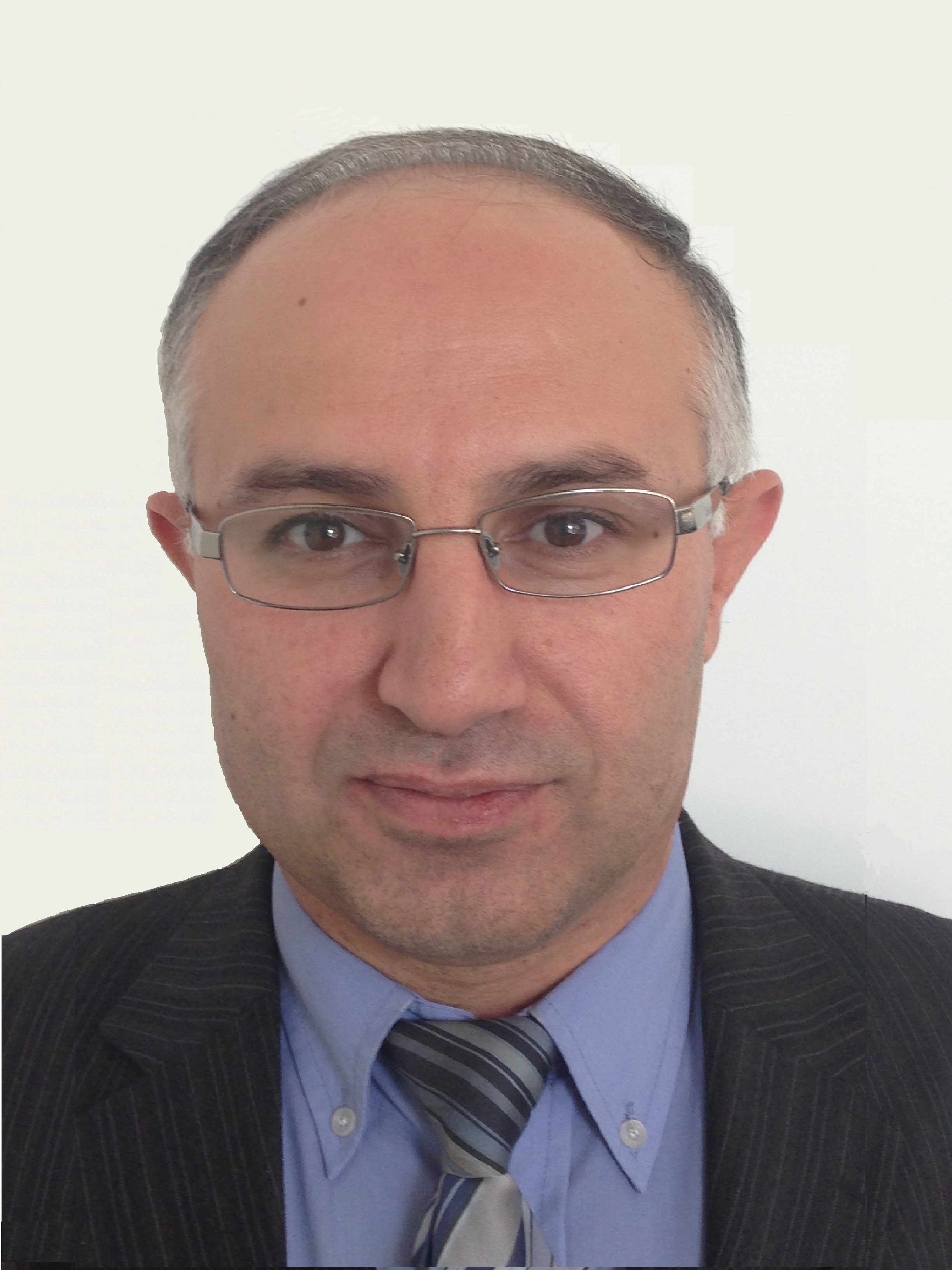
Department of Industrial Engineering, CSIP-ICUBE Laboratory, Université de Strasbourg, Strasbourg, FranceInnovative design; Lean design; Industrial systems; Production systems; Sustainability; Decision-making; Multi-criteria approach; Environmental design; TRIZ methodology; Cost reduction; Carbon footprint; Agricultural sustainability
Rémy Houssin is a professor at the Faculty of Physics & Engineering University of Strasbourg, France. He is Co-head of CSIP team of the ICube laboratory. Strasbourg INSA and Head of PSc “Prototyping of Product and Tooling”. He is Doctor in Industrial Engineering from Henri Poincaré University of Nancy (France). He works on performance evaluation, optimisation, knowledge management for innovation.

School of Built, Environment & Design, Western Sydney University, Penrith, AustraliaDr. Xiaohua Jin is an Associate Professor in Project Management and the Director of Project Management Programs at Western Sydney University. He was a construction project manager before shifting to academia. He holds a PhD from the University of Melbourne, Australia. His main research interests include construction economics, project management, risk management, infrastructure procurement, work health and well-being, and ICT in construction. He has published over 100 peer-reviewed technical articles and has been engaged in many government and industry-funded research projects. He received the Building Research Excellence Award from the Chartered Institute of Building (CIOB). He is a joint co-ordinator of Working Commission W055 of the International Council for Research and Innovation in Building and Construction (CIB), as well as a member of the Australian Institute of Project Management (AIPM) and the International Centre for Complex Project Management (ICCPM). He has served as an expert referee for the Australian government. He is also an editorial panel member for several internationally renowned journals.
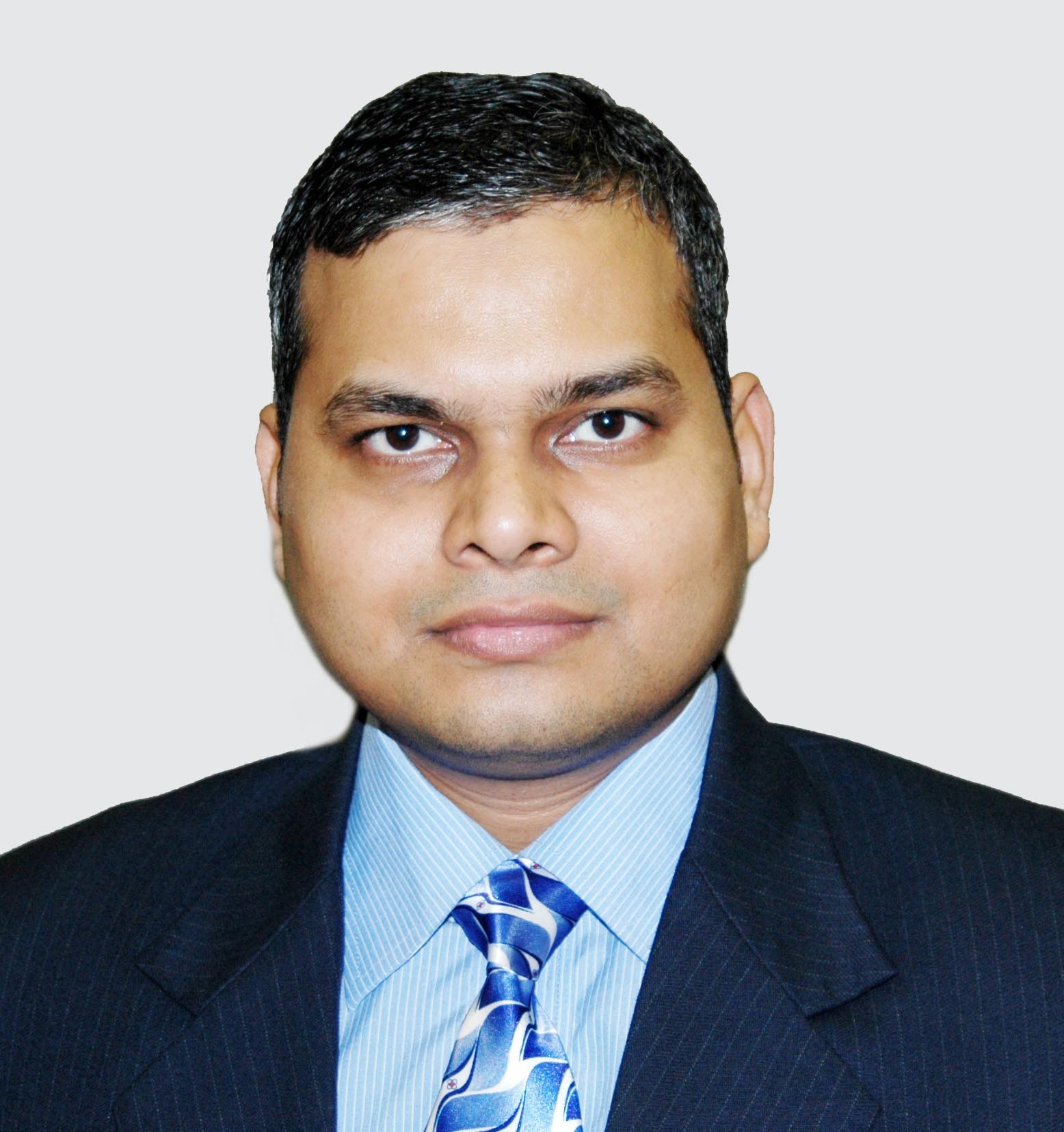
Architecture Section, Aligarh Muslim University, IndiaEnvironmental design; Sustainable architecture; Architectural engineering; Building technology; Green buildings; Climate responsive architecture; Heritage buildings
Dr Mohammad Arif Kamal is an architect, having around 15 years of Teaching, Research and Professional experience in the field of Architecture, Building Technology and Interior Design. He studied architecture at Aligarh Muslim University, Aligarh from where he received his B. Arch. degree. He received his M. Arch. and Ph.D. degree from Indian Institute of Technology (IIT), Roorkee where he was awarded a Government of India, Ministry of Human Resource Development (MHRD) fellowship. He has conducted various architecture and interior design projects besides his teaching duties both on Design Theory, Interior Design as well as Architectural Design Studios. Presently he is working as an Associate Professor in Aligarh Muslim University, India. His area of research includes Environmental Design, Sustainable Architecture, Energy Efficiency in Buildings, Climate Responsive Architecture, Construction System, Traditional Architecture, etc. He has published many Research papers in various International Journals and Conferences and 10 book chapters. He has edited 4 Special Topic Volume Related to Sustainable Building Materials, published by Trans Tech Publications, Switzerland. He is member of editorial board team/ associate editors of many international journals and conferences and also member of many national and international associations/professional bodies.
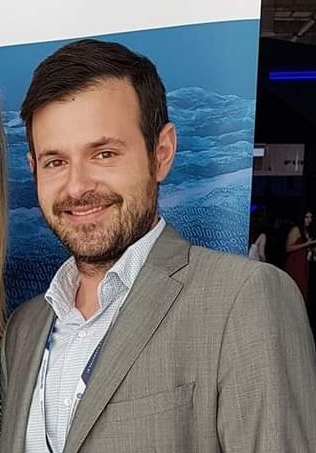
Department of Industrial Design and Production Engineering, University of West Attica, 12244 Athens, GreeceMaterial science; Polymers; Sustainability; Scaffolds; Recycling; 3D printing; Implants; Circular economy; 3D design
Dr. Andreas Kantaros is an Adjunct Lecturer at the Department of Industrial Design and Production Engineering, University of West Attica, Greece. He completed his PhD studies in the design, characterization, and fabrication of 3D structures using 3D printing at the University of Piraeus, Greece. He has been awarded a postdoctoral fellowship and has contributed to multiple funded research projects. He has published numerous papers in various journals and serves as an Editorial Board Member, Reviewer, and Special Issue Guest Editor for a number of international scientific journals.

Sustainability Policy Institute, Curtin University, Perth, AustraliaTransport Planning; Urban Planning; Urbanism; Transport Policy; Urban Development; Urban Sustainability; Land Use Planning; Sustainable Development; Sustainability; Automobile Dependence; City Comparisons; Urban Design
Jeffrey R. Kenworthy is an Emeritus Professor in Sustainable Cities at Curtin University in Perth, Australia, and at the Frankfurt University of Applied Sciences in Germany and is the recipient of the Prime Minister of Australia's Centenary Medal "for Service to Planning and Sustainability about public transport and urban form." His publications include 12 books co-authored with colleagues including Sustainability and Cities: Overcoming Automobile Dependence, (with Peter Newman) and An Introduction to Sustainable Transportation: Policy, Planning and Implementation (with Preston Schiller). He is also the author of over 200 book chapters and journal articles on urban issues. He has extensive experience in transit-oriented development, public transport, and sustainable transport and city policy and has worked as a consultant for local, state, and federal governments in Australia, as well as private organizations and the World Bank. He has also acted in an advisory capacity in the Premier's Department in WA. Prof. Kenworthy has lectured in 34 countries and 100 cities to universities, government agencies, and community organizations on urban sustainability. From 2007 until 2024, he taught at the Frankfurt University of Applied Sciences on a DAAD visiting professor fellowship and as a guest professor there. He was also a Mercator Guest Professor at Goethe University in Frankfurt. Additionally, from 2008 to 2019 he was Professor in Sustainable Cities at Curtin University.

Department of Product and System Design Engineering, University of Western Macedonia, Kila, GR50100 Kozani, GreeceAI in product design; CAD/CAM/CAE; AI in manufacturing
Dr. Panagiotis Kyratsis is a Professor and Head of the Department of Product and Systems Design Engineering, University of Western Macedonia, Greece. He is the Director of the Institute of Traditional Architecture and Cultural Heritage, University Research Center "TEMENUS" and the Director of the Computational Design and Digital Fabrication (CODE+) Research Lab.
Dr. Panagiotis Kyratsis received his Ph.D. in the area of CAD-based manufacturing process simulations from the Department of Production Engineering and Management, Technical University of Crete, Greece. He holds a diploma in Mechanical Engineering from the Aristotle's University of Thessaloniki, Greece, and he received his M.Sc. in Automotive Product Engineering and M.Sc. in CAD/CAM from Cranfield University, UK, in 1997 and 1999, respectively.
He has been involved in a number of industrial design projects, and he has a great deal of expertise in both the design and the manufacturing aspects of product development. His main research interests include CAD/CAM/CAE systems, product design, computational design, reverse engineering, prototyping, preserving cultural heritage and manufacturing.
He has published 20 books and more than 200 papers in Scientific Journals and International Conferences. He is the author of three books dealing with the methodological aspects and the appropriate tools used in product design and development. He acts as a member of the editorial board and reviewer to numerous scientific journals and holds 12 industrial designs and 2 patent registered within the Greek Patent Office.

Department of Information Technology Engineering, Tarbiat Modares University, Tehran, IranIntelligent systems in E-learning and E-commerce; Soft computing approaches in data analytics; Image search engine; Soft security; Science and Technology Policymaking
Prof. Gholamali Montazer is a Full Professor of Information Technology at Tarbiat Modares University, Iran. He received his PhD in Electrical Engineering from Tarbiat Modares University. His research interests include artificial intelligence, soft computing, intelligent systems, e-learning, e-government, and decision support systems. He has published extensively in international journals and has led numerous national and international research projects in information technology and innovation policy.

Department of Civil and Mechanical Engineering (DICeM), University of Cassino and Southern Lazio, Cassino, ItalyRobotics; Mechatronics; Kinematics; Dynamics; Mechanical design

Faculdade de Arquitetura da Universidade de Lisboa, Lisbon, PortugalVirtual reality; Usability; Human performance; Human-machine interaction; Human-computer interaction; User experience; Artificial intelligence; Prototyping; Interaction; E-learning
Francisco Rebelo is Associated Professor at Design Department - FA - Lisbon University, Director of ergoUX - Ergonomics Laboratory and User Experience - http://ergoux.fa.ulisboa.pt/ and Coordinator of the research Ergonomics group in the Centre of Architecture, Urban Planning and Design, in the same University. His activity of teacher and research is focused in user centred design, usability, user experience. He published more than 350 articles, book chapters and is editor of 16 books.
He belongs to the editorial of some International Journals (i.e. Human Factors and Ergonomics in Manufacturing & Services Industries – IF 0.862 and Theoretical Issues in Ergonomics Science). Is external adviser of projects the Portuguese Foundation of Science and Technology and Portuguese innovation agency. Is Co-Chair of the Ergonomics in Design Conferences in AHFE since 2012 - http://www.ahfe2016.org/board.html#eid
Has coordinated projects financed by the European Union, Portuguese Foundation of Science and Technology and companies (i.e. Embraer, NOKIA, Siemens, VW, OGMA-Embraer). Has supervised 13 PhD and 36 Master students and 3 Postdoc researchers.

Department of Industrial Engineering & Innovation Sciences, Eindhoven University of Technology, PO Box 513, Eindhoven, The NetherlandsAlternative and renewable energy systems; Smart cities; Design science; New business development
Georges (Sjoerd) Romme is full professor and chair of Entrepreneurship & Innovation at Eindhoven University of Technology (TU/e). His scholarly work focuses on organization design, professionalism, technology entrepreneurship, new business development, and organizational learning and renewal.
Professor Romme’s research and educational work seeks to develop a design mindset among management and entrepreneurship scholars. As such, he has been one of the original pioneers who brought the design sciences to the field of management and entrepreneurship, for which he received the Distinguished Scholar-Practitioner Award of the Academy of Management as well as the EURAM Edith Penrose Award for Trailblazing Researchers. His fascination with design science is evident from his work on circular organizations, innovation ecosystems, and incubation environments for deeptech startups.
Together with many TU/e colleagues and professors from other universities, Georges currently supervises a large number of doctoral students working on innovation management projects in the area of the energy transition, circularity of power, innovation ecosystem management, and related topics. From 2021 to 2025, he also served as TU/e Ambassador for Entrepreneurship; in this role, Georges supported the TU/e Executive Board in improving the university's facilities and conditions for student entrepreneurship, academic entrepreneurship and other forms of entrepreneurial behavior.

Department of Civil, Environmental and Architectural Engineering, University of Padova, Padova, ItalyUrban design; Town and regional planning; Urban sustainability; Urban regeneration
Michelangelo Savino currently works at the Department of Civil, Environmental and Architectural Engineering ICEA, University of Padova. Michelangelo does research in Urban Design, Town and Regional Planning in a Sustainable and Resilient Perspective. His specific attention is paid to dynamics, processes and impacts of planning policies and interventions of Urban Regeneration. The refering framework is the European Contemporary City and the Veneto Metropolitan Central Region as peculiar manifestation of current dynamics of change. In the last twenty years, he also developd a deep interest in city-university relationships, exploring social and economic urban effects of university development.
Department of Information Convergence System, Graduate School of Smart Convergence, Kwangwoon University, Seoul, KoreaRFIC and MMIC design and fabrication, integration of RF with AI, as well as convergence technologies.
Prof. Bhanu Shrestha is affiliated with Kwangwoon University, Republic of Korea. His research interests include electrical and electronic engineering, with emphasis on communications, signal processing, and related interdisciplinary applications. He has been involved in academic research and scholarly publications in his field.

DIAP Dipartimento di Architettura e Pianificazione, Politecnico di Milano, Milano, ItalyArchitectural design; Generative design; Generative art; Architecture and urban planning; Creative design; Complex systems
Celestino Soddu (born 2 April 1945) is an Italian architect, designer, and academic renowned for pioneering generative design and generative art, fields that employ algorithmic processes to create evolving, unique forms inspired by natural morphogenesis. His work integrates computational methods with architecture, urban planning, and industrial design, emphasizing the generation of unrepeatable identities through non-linear systems that mimic evolutionary codes in nature. Soddu earned a master's degree in architecture from the University of Rome "La Sapienza" in 1970 and became a registered architect in Rome the following year. He began teaching architectural design at Italian universities in 1971 and joined the Politecnico di Milano in 1988 as a professor, where he later directed the Generative Design Lab from 1992 to 2019 and taught courses on generative design until 2016. Throughout his career, he has maintained professional offices in Milan, Rome, and other locations, executing projects in architecture, urban design, and industrial objects across Italy and internationally, including in Somalia from 1984 to 1989.[3]Soddu's foundational contributions include developing software in the late 1980s for simulating dynamic urban evolution and genius loci, followed by morphogenetic codes since 1992 that enable generative processes for architecture, objects, and even music. He coined key concepts like "Argenia" in 1997, a framework for natural generative design producing infinite variations while preserving cultural identities, applied in visionary projects for cities such as Milan, Shanghai, Hong Kong, and Beijing. Since 1998, he has chaired the annual Generative Art international conferences, including as of 2023, fostering global collaboration, and co-directs initiatives like the Domus Argenia Research Center with Enrica Colabella, alongside authoring numerous publications on algorithmic form generation and exhibitions of his generative works worldwide.
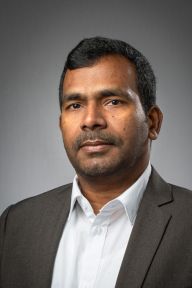
Department of Mechanical and Production Engineering, Aarhus University, Aarhus, DenmarkBiomechanics; Medical devices design; Design processes and design tools; Design thinking; Computational modeling
Subburaj is an associate professor in the Department of Mechanical and Production Engineering at Aarhus University, Denmark. His research focuses on creating technology-driven product design solutions that address the challenges of aging-related fragility and frailty, allowing elderly adults to maintain independence and successfully age at home. He also targets developing solutions addressing challenges faced by people with disabilities. His interdisciplinary research leverages and combines engineering and biological principles to develop innovative design solutions that tackle crucial challenges in primary and secondary healthcare sectors.

Engineering Product Development, Singapore University of Technology and Design, SingaporeIC design; Device characterization & modelling; Design science education; AI
T. Hui Teo graduated with Master of Engineering and Ph.D. from National University of Singapore and Nanyang Technological Univsersity in 2000 and 2009 respectively in Electrical & Electronic Engineering. Since 1996, he was with Sharp, ST-Microelectronics, Intelligent Micro-Devices (Matsushita), and etc. as a senior Integrated Circuits (IC) designer, prior joining Institute of Microelectronics, Agency for Science, Technology and Research (A*STAR), Singapore as principle investigator in advanced IC design R&D. In 2010, he joined education sector for setting up both Analog and Digital IC design courses and laboratories for Technical University of Munich, Asia. He is currently with Singapore University of Technology and Design. His research interest are IC design, device characterization & modelling and design science education. T. Hui is a Senior Member of IEEE, and Fellow of IES (Institution of Engineers Singapore).

School of Business, University of Southern Queensland, Queensland, 4350, AustraliaPolicy development & evaluation; University governance; Corporate governance; Community support tool design & development; Design science; Information technology service management; ICT governance; Human-computer interaction; Usability; Information systems
Dr Mark Toleman is Professor of Information Systems in the School of Business at the University of Southern Queensland. Professor Toleman is Member of the Australian Institute of Company Directors, Member of the Association for Information Systems, Member of the Australian Computer Society and Emeritus Member of the Association of Australian University Secretaries. From 2013-2023 Professor Toleman was University Secretary at USQ supporting the University Council in a role similar to that of a Company Secretary. He was Professor and Head of the School of Information Systems, Faculty of Business and Law at USQ from 2007-2013. From 2006-2012 he was also Chair, Academic Board at USQ. He was Director of the e-Business Advisory and Research Centre at USQ from 2003-2005 and from 2000-2006 he was Associate Professor and Deputy Chair, Academic Board. Professor Toleman has a PhD in computer science from the University of Queensland and a MSc in mathematics from James Cook University. He was President and Past President of the Australian Council of Professors and Heads of Information Systems (2009-2014). Professor Toleman has published over 190 peer reviewed articles in areas ranging from information systems to human-computer interaction to agricultural science. His research interests are broad and include policy evaluation, university governance, community support tool development, information technology service management (ITSM), information technology governance, design science, agile system development methodologies, the researcher-practitioner nexus, Human-Computer Interaction, usability, e-business, etc. He also remains interested in software tool design, development and evaluation (and he really likes snow skiing and cruising).
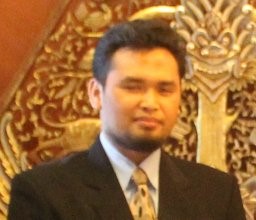
Department of Mechanical Engineering, Universitas Sebelas Maret, Surakarta, IndonesiaMechanical design; Product development; Magnetorheological devices; Vehicle system
Dr. Ubaidillah Ubaidillah is a faculty member at Sekolah Tinggi Ilmu Kesehatan Surya Global, Indonesia. His research interests include mechanical design, product development, magnetorheological devices, and vehicle systems. His work focuses on the development and application of advanced mechanical and smart material-based systems for engineering and transportation-related applications.
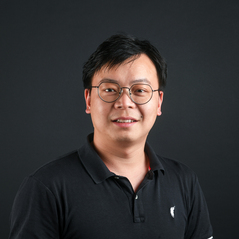
School of Architecture, Southeast University, Nanjing, ChinaUrban-block-building energy model; Urban energy system planning and design; Low-carbon buildings and cities
Associate Professor, Doctoral Supervisor, Institute of Architectural Technology and Science, School of Architecture, Southeast University. He obtained a bachelor's degree in Architectural Environment and Energy Engineering from Huazhong University of Science and Technology in 2014, and obtained a Ph.D. in Architecture and Civil Engineering from City University of Hong Kong in 2018. From 2017 to 2018, he was a visiting scholar in the Department of Building Technology, Lawrence Berkeley National Laboratory, USA. He is the PI of the National Natural Science Foundation of China, a sub-project of the National Key R&D Program, and the Natural Science Foundation of Jiangsu Province, Nanjing Science and Technology Innovation Project. He has published a total of 34 SCI/SSCI papers, of which a total of 23 papers have been published as first and corresponding authors, and served as the youth editorial board member of the SCI journal Building Simulation, Frontier of Built Environment Review Editor, Current Social Sciences Founding editor of the Urban Studies section.
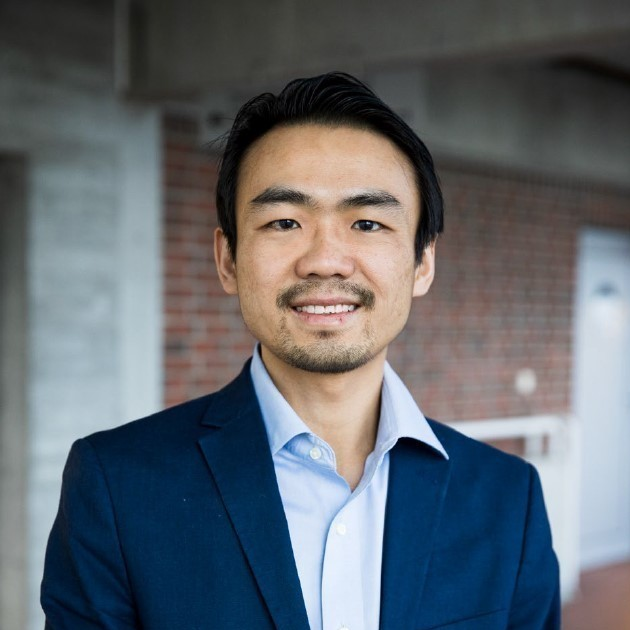
Department of Mechanical and Structural Engineering and Materials Science, Univerisity of Stavanger, Stavanger, NorwaySustainable design; Green infrastructure; Agricultural engineering; Biosystems engineering; Urban planning; Architectural design
Prof. Yihan Xing is a faculty member in the Department of Mechanical and Structural Engineering and Materials Science at the University of Stavanger, Norway. His research interests include sustainable design, green infrastructure, agricultural engineering, biosystems engineering, urban planning, and architectural design. His work focuses on integrating sustainability principles with engineering and built environment disciplines, with applications in infrastructure development and environmental design.

Human-Computer Interaction Institute (HCII), School of Computer Science, Carnegie Mellon University, Pittsburgh, USAMechanical engineering; Art design
Lining Yao is an assistant professor of Human-Computer Interaction Institute (HCII) at Carnegie Mellon University, School of Computer Science, directing the Morphing Matter Lab. Morphing Matter lab develops materials, tools, and applications of adaptive, dynamic, and intelligent morphing matter from nano to macro scales. Research often combines material science, computational fabrication, and creative design practices. Yao and her lab work anti-disciplinarily, publishing and exhibiting across science, engineering, design, and art. Yao gained her Ph.D. at MIT Media Lab, where she combined biological and engineering approaches to develop physical materials with dynamic and tunable properties including shape, color, stiffness, texture, and density.
Beyond her teaching and research in the School of Computer Science, Yao holds courtesy appointments in Mechanical Engineering, as well as Material Sciences and Engineering. She is supervising undergraduate and graduate students across the College of Engineering and College of Art.

School of Mechanical Engineering, Shanghai Jiao Tong University, Shanghai, ChinaDesign engineering and innovation; Tribo-system design and analysis; Triboinformatics; Knowledge-based design; Innovative design; Design theory and methodology; Computer-aided innovation
Dr. Zhinan Zhang is a professor in School of Mechanical Engineering at Shanghai Jiao Tong University and a Fellow of the ASME. He is the associate editor of the ASME Journal of Computing and Information Science in Engineering, Journal Frontiers in Mechanical Engineering/Tribology,member of editorial boards of Friction, Surface Science and Technology, Journal of Integrated Design and Process Science, etc. He is also the founder of IEEE International Conference on Design Science.
Jaguar Land Rover, Coventry CV3 4LF, UKAntenna design; Metamaterials; RF engineering; Automotive EMI/EMC; Digital twins
Dr. Shiyu Zhang has over 10 years of professional experience in wireless communications, antennas, metamaterials, and wearable electronics. His research and technical expertise focus on antenna design, simulation, and measurement for a wide range of wireless applications.
He has extensive experience in supporting automotive RF system design, including RF packaging and electromagnetic compatibility (EMC) testing, with the aim of improving system performance and user experience. His work bridges academic research and industrial applications in advanced wireless and RF engineering.

Department of Civil Engineering, University of Calabria, Rende, ItalyArchitectural design; Digital culture; Form-finding; Computational design; Architectural theory; Design practice
Giuseppe Canestrino, Architect and PhD, is an adjunct professor and post-doctoral research fellow in Architectural Design at the University of Calabria. He has previously been a guest researcher at Delft University of Technology and a visiting PhD at the Universitat Politècnica de Catalunya.
His primary research interest lies in exploring the relationship between digital culture, form-finding and architectural design also through the investigation of scientific and logical processes for solving design problems. His critical-theoretical research informs his professional practice, in which he engages through participation in design competitions, gaining various victories and honourable mentions.
He is the author of Decoding Luigi Moretti's Architettura Parametrica (Routledge, 2025) and La Concezione Parametrica dell’Architettura (trad. The Parametric Conception of Architecture, LetteraVentidue, 2024). His writings have been published in The Journal of Architecture, The Plan Journal, Nexus Network Journal, Agathòn, U+D - Urbanform and Design, and Metamorfosi, among others.
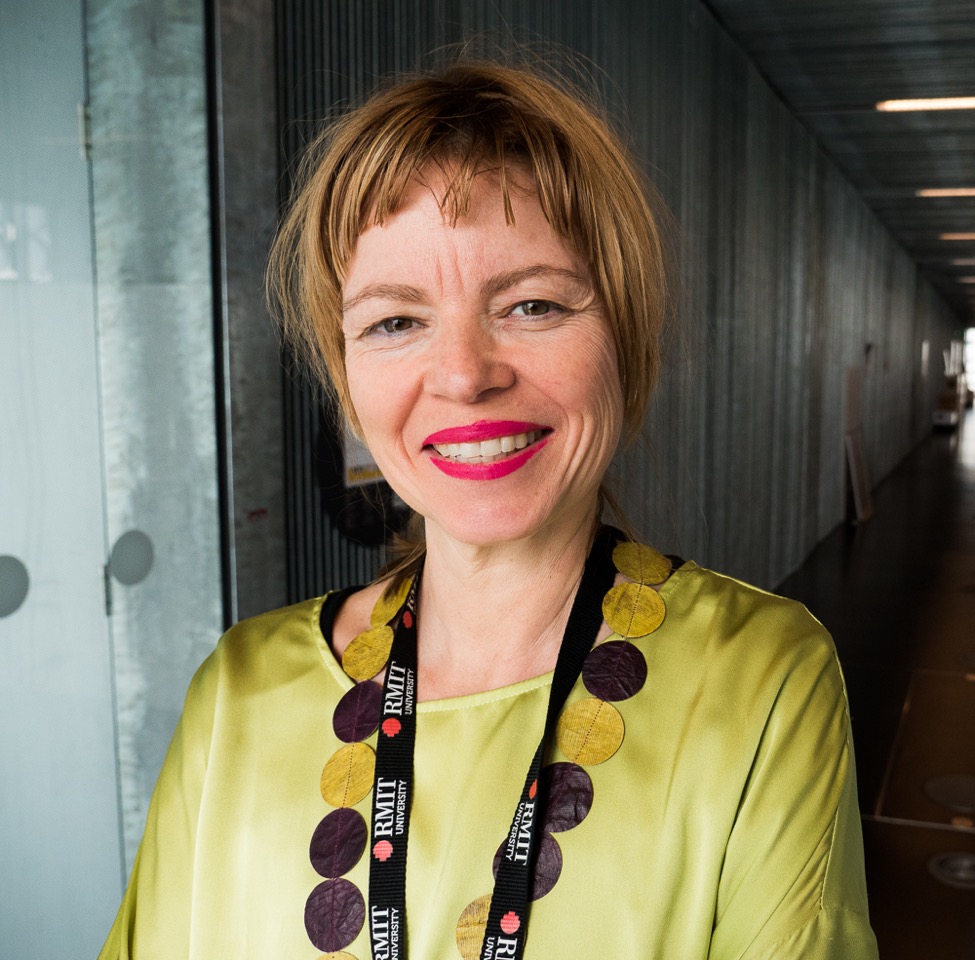
School of Architecture and Design, RMIT University, Melbourne, AustraliaHumanitarian architecture; Social justice; Disaster recovery; Urban design; Community-based design; Resilient cities
Esther Charlesworth is a Professor in the School of Architecture and Design at RMIT University, and the Academic Director of the RMIT Master of Disaster, Design and Development Degree [MoDDD]. She is also the founding Director of Architects without Frontiers (AWF). Since 2002, AWF has undertaken over 40 health, education and social infrastructure projects in 12 countries for vulnerable communities, and has been described by ABC radio broadcaster Phillip Adams as ‘destined to develop into one of the greater forces of good on this battered planet’. Professor Charlesworth has published seven books on the theme of social justice and architecture, including: Humanitarian Architecture (2014) and Sustainable Housing Reconstruction (2015).

Faculty of Forestry and Wood Technology, University of Zagreb, Zagreb, CroatiaAssociate Professor Danijela Domljan, PhD, MA in Design, is an Associate Professor at the University of Zagreb, Faculty of Forestry and Wood Technology, Department of Wood Technology, Institute of Furniture and Wood Products. She obtained her Master of Design degree in 1996, qualified as an Interior Architectural Designer in 1990, and earned her Doctor of Science degree in 2011. She has been serving at the University of Zagreb since 2004, progressing from assistant to associate professor.
Her research interests focus on the interdisciplinary integration of art, design, and wood technology, with particular emphasis on furniture design, interior design, and wood product development. She is especially engaged in the design of school furniture and educational environments, exploring how design can contribute to user well-being, health, and sustainability in built environments. Her work combines design methodology, practical industry collaboration, and research-driven innovation in furniture and interior systems.
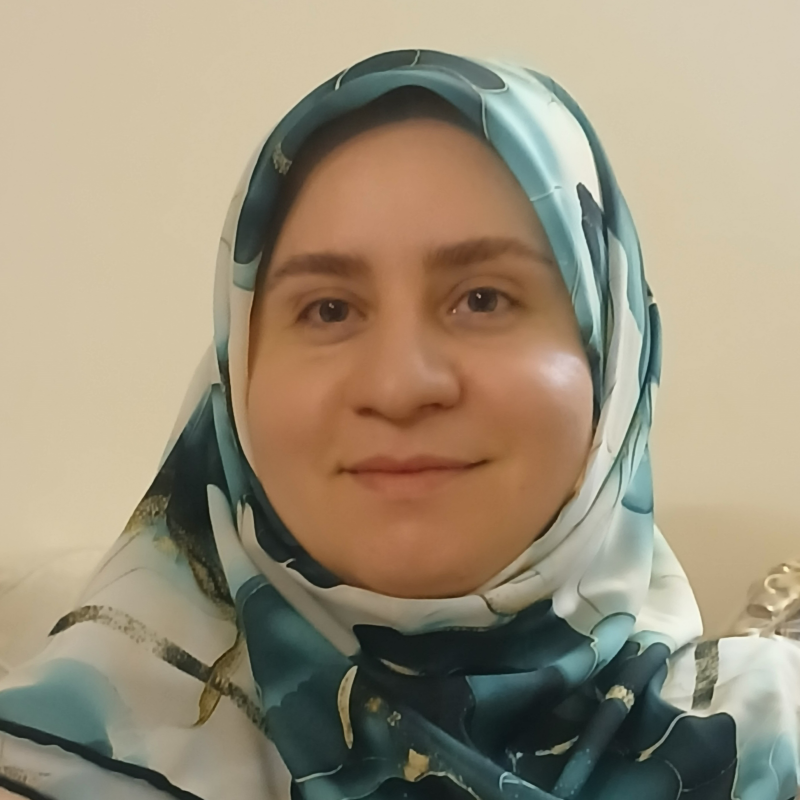
Urban Planning Department, Art University of Isfahan, Isfahan, IranUrban design: Urban studies
Dr. Shohreh Ezzatian is an Assistant Professor at the Art University of Isfahan, Iran, in the field of urban design. Her research and teaching focus on urban design theory and practice, with particular emphasis on participatory urban planning processes. She advocates for inclusive city-making approaches in which citizens, planners, designers, and authorities collaboratively contribute to shaping livable and sustainable urban environments. Her work explores how participatory design strategies can enhance urban quality, strengthen community engagement, and improve the overall livability of cities.

Institute of Computer Science, Foundation for Research and Technology—Hellas (FORTH), 70013 Heraklion, Crete, GreeceHCI design; HTML & web design; Ambient intelligence; Human-computer interaction; Pervasive computing; Ubiquitous computing
Dr. Maria Korozi holds a Ph.D. in Information Systems and Human-Computer Interaction and an M.Sc. in Information Systems and e-Commerce from the University of Crete, Greece. She is a member of the Human-Computer Interaction Laboratory at the Foundation for Research and Technology Hellas (FORTH), Institute of Computer Science, where she has been affiliated since 2006.
Her research interests include web accessibility, adaptive and intelligent interfaces, e-learning, design for children, and ambient intelligence. Her work focuses on the design, development, and evaluation of user-centered digital systems, including applications for children (including users with disabilities), mobile applications, accessible web platforms, and smart environment systems such as smart homes, smart classrooms, smart hotel rooms, and smart gardens.
She has contributed to numerous national and European research projects and has extensive experience in applying user-centered design methodologies in real-world systems. Dr. Korozi has authored and co-authored more than 40 publications in international journals and conference proceedings in the fields of universal access, ambient intelligence, e-learning, and adaptable graphical user interfaces.

Faculty of Science & Engineering Design and Manufacturing Technology, School of Education, University of Limerick, Limerick, IrelandEducation design-based activities in education; Ideation methods and strategies; Creative cognition and quotient; Environmental and sustainable practice and strategies

Department of Architecture and Sustainable Design, Singapore University of Technology and Design, SingaporeSustainable design; Green infrastructure; Agricultural engineering; Urban planning; Architectural design
Dr. Alba Lombardía is an experienced designer and construction manager. Trained as an architect and agricultural engineer with a PhD in Architecture and Sustainable Design by the Singapore University of Technology and Design (SUTD). Her research focuses on the possibilities of scalability of green infrastructure in cities and the potential of sunlight-informed methods for energy efficiency.

ALGORITMI Research Center, University of Minho, Guimaraes, PortugalHuman factors; Mobility; Design; Smart cities; Transportation
Ankit R. Patel is currently associated with the University of Minho, Portugal. He serves in various positions at international conferences, like track chair for the IEEE ITEC 2023 and 2024; DIA Chair for the ACM COMPASS 2024; associate chair for the ACM IMX 2023; co-chair for the ACM AutomotiveUI 2023; and proceedings chair for the IEEE e-Science 2023. He also serves as an associate editor for the EAI-endorsed Transactions on Smart Cities; and Journal of Social Economics Research; and editorial board member for the Journal of Sustainable Urban Mobility. He received the best poster paper award at the 2019 IEEE/RSJ International Conference on Intelligent Robots and Systems (IROS), Macau. He also serves as a reviewer in many journals, including Transport, Journal of Transport and Health (Elsevier), Transportation Research Part F: Traffic Psychology and Behavior, and conferences like CHI, ozCHI, INTERACT, TRB, NordiCHI, MuC, and ITS America. His research interests include travel behavior and policy, human factors and interactions, socially inclusive transportation, and transport psychology.
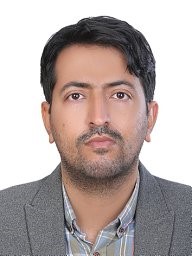
Department of Civil Engineering, Mashhad Branch, Islamic Azad University, Mashhad, IranAbbasali Sadeghi has PhD in structural engineering. He currently works as a research assistant in Concrete Technology Research Center of Islamic Azad University, Birjand Branch, Birjand, Iran. His current research interests are progressive collapse, reliability analysis, abnormal loads, and application of smart materials in buildings. He also serves as a reviewer of many international journals supported by Elsevier, John Wiley, Springer, SAGE, Hindawi, MDPI, Emerald and ASCE.