
Pluriverse Civil Societies: Epistemological Anarchism, Indigenous Governance, Art, Communication, and Post-Western Future
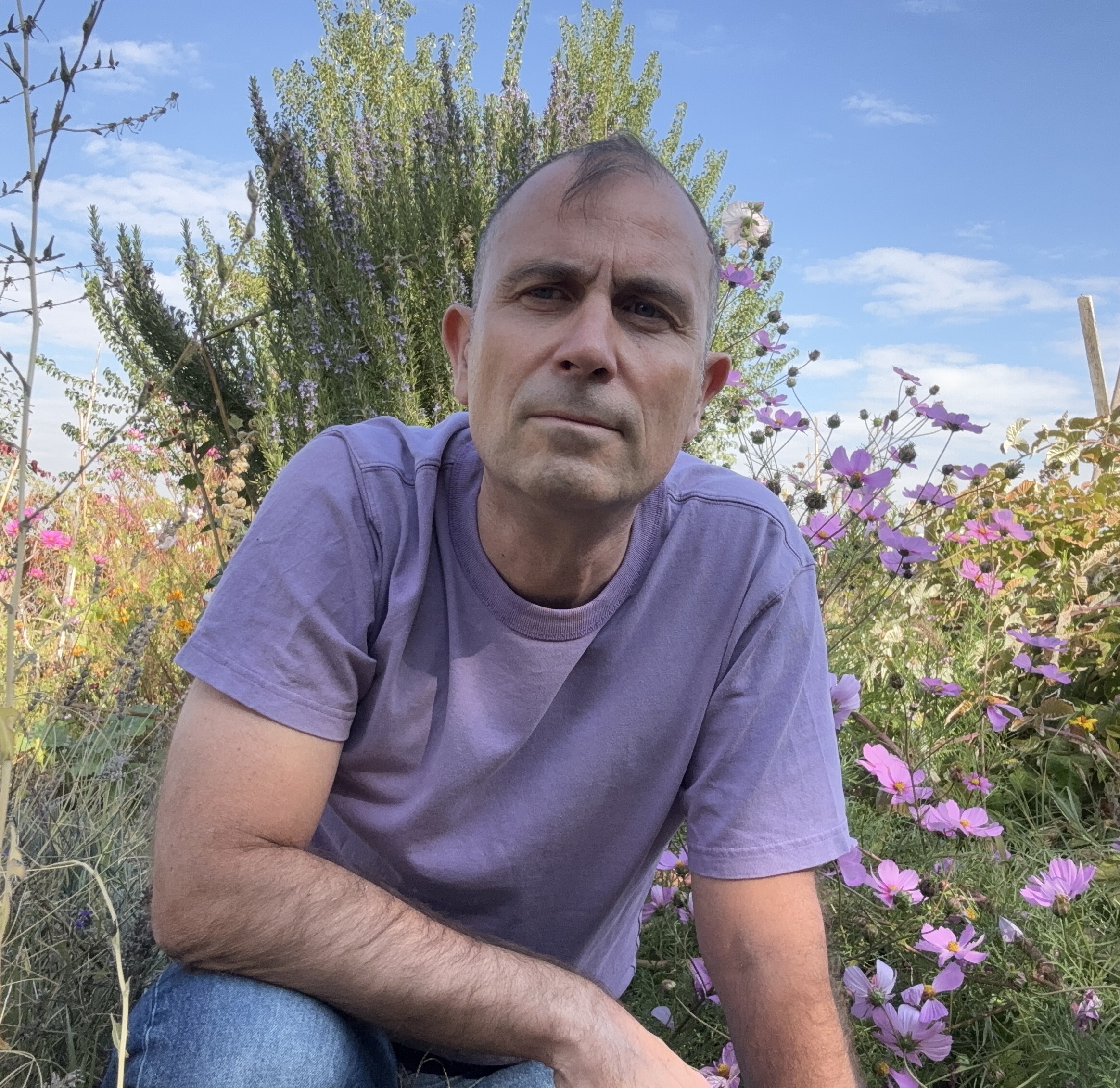
Architecture Milieu Landscape Laboratory, École Nationale Supérieure d'Architecture de Paris-La Villette (ENSAPLV), Paris, FranceLandscape urbanism; Environmental humanities; Ecological philosophy; Ontological sovereignty; Custodian heuristics
This special issue emerges from the Ottoman Parallax gathering (11–13 June 2026, Ankara, Türkiye), which brought together artists, scholars, cultural practitioners, activists, designers, and community organizers to examine how artistic and communicative practices contribute to more just, plural, and sustainable futures amid ecological, political, and epistemic transformations. At a time when dominant institutional narratives and political imaginaries appear increasingly exhausted, the issue explores how art, visual culture, media, and creative practice can help reimagine collective life, foster dialogue and community engagement, and more plural futures.
The collection foregrounds situated cultural expressions, Indigenous and vernacular artistic practices, visual storytelling traditions, and community-based knowledge production. It examines how artistic, visual, and communicative practices represent, negotiate, and transmit alternative cosmologies, relational ways of being, and local understandings of governance, ecology, and coexistence. Across diverse contexts, communities are generating new ways of representing, preserving, and transforming collective experience in response to homogenizing structures of power.
We are particularly interested in the transmission and representation of cultural practices, values, and relationships—human and more-than-human—that have evolved over generations. How are these worlds expressed through art and culture? Why are aesthetics and creative practices central to community identity, celebration, resilience, and continuity? We also welcome contributions that examine how artistic and communicative practices enable these forms of knowledge to be shared, interpreted, and sustained across communities.
Contributions are invited that explore how art, design, media, and cultural production challenge colonial epistemologies, technocratic rationalities, while creating new possibilities for communication, representation, public dialogue, and collective imagination. Topics may include Indigenous arts, vernacular visual cultures, creative resistance, community arts, participatory communication, cultural memory, decolonial aesthetics, ecological imagination, and creative approaches to environmental and social justice.
By creating a platform for voices, images, stories, and practices often marginalized within mainstream institutions, this issue seeks to advance debates on decolonial aesthetics, artistic activism, cultural resilience, ecological imagination, visual culture, participatory communication, and the transformative potential of art-based community engagement.
The issue welcomes theoretical, empirical, interdisciplinary, and practice-based contributions from scholars, artists, activists, designers, practitioners, and community organizers worldwide.
Themes and Potential Topics
Contributions may address, but are not limited to, the following themes:
- Pluriversal epistemologies and post-Western futures
- Epistemological anarchism and knowledge pluralism
- Indigenous governance, commons, and alternative civil societies
- Decolonial aesthetics and art as knowledge production
- Participatory communication and community media
- Visual culture, oral traditions, and cultural memory
- Ecological imagination and more-than-human worlds
- Indigenous, vernacular, and community arts
- Design justice, participatory design, and social transformation
- Digital sovereignty, arts-based research, and decolonial futures