

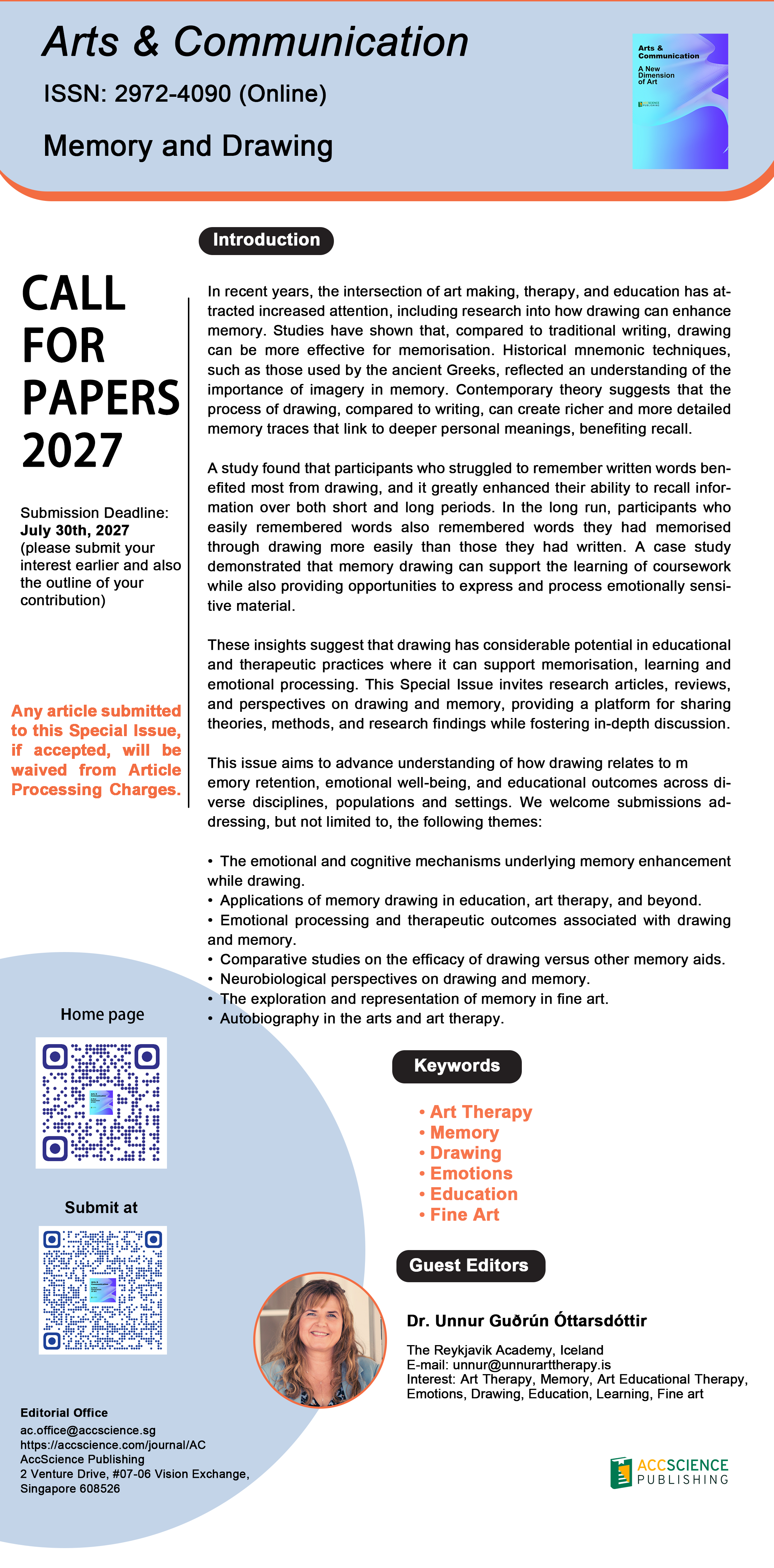
In recent years, the intersection of art making, therapy, and education has attracted increased attention, including research into how drawing can enhance memory. Studies have shown that, compared to traditional writing, drawing can be more effective for memorisation. Historical mnemonic techniques, such as those used by the ancient Greeks, reflected an understanding of the importance of imagery in memory. Contemporary theory suggests that the process of drawing, compared to writing, can create richer and more detailed memory traces that link to deeper personal meanings, benefiting recall.
A study found that participants who struggled to remember written words benefited most from drawing, and it greatly enhanced their ability to recall information over both short and long periods. In the long run, participants who easily remembered words also remembered words they had memorised through drawing more easily than those they had written. A case study demonstrated that memory drawing can support the learning of coursework while also providing opportunities to express and process emotionally sensitive material.
These insights suggest that drawing has considerable potential in educational and therapeutic practices where it can support memorisation, learning and emotional processing. This Special Issue invites research articles, reviews, and perspectives on drawing and memory, providing a platform for sharing theories, methods, and research findings while fostering in-depth discussion.
This issue aims to advance understanding of how drawing relates to memory retention, emotional well-being, and educational outcomes across diverse disciplines, populations and settings. We welcome submissions addressing, but not limited to, the following themes:
- The emotional and cognitive mechanisms underlying memory enhancement while drawing.
- Applications of memory drawing in education, art therapy, and beyond.
- Emotional processing and therapeutic outcomes associated with drawing and memory.
- Comparative studies on the efficacy of drawing versus other memory aids.
- Neurobiological perspectives on drawing and memory.
- The exploration and representation of memory in fine art.
- Autobiography in the arts and art therapy.