

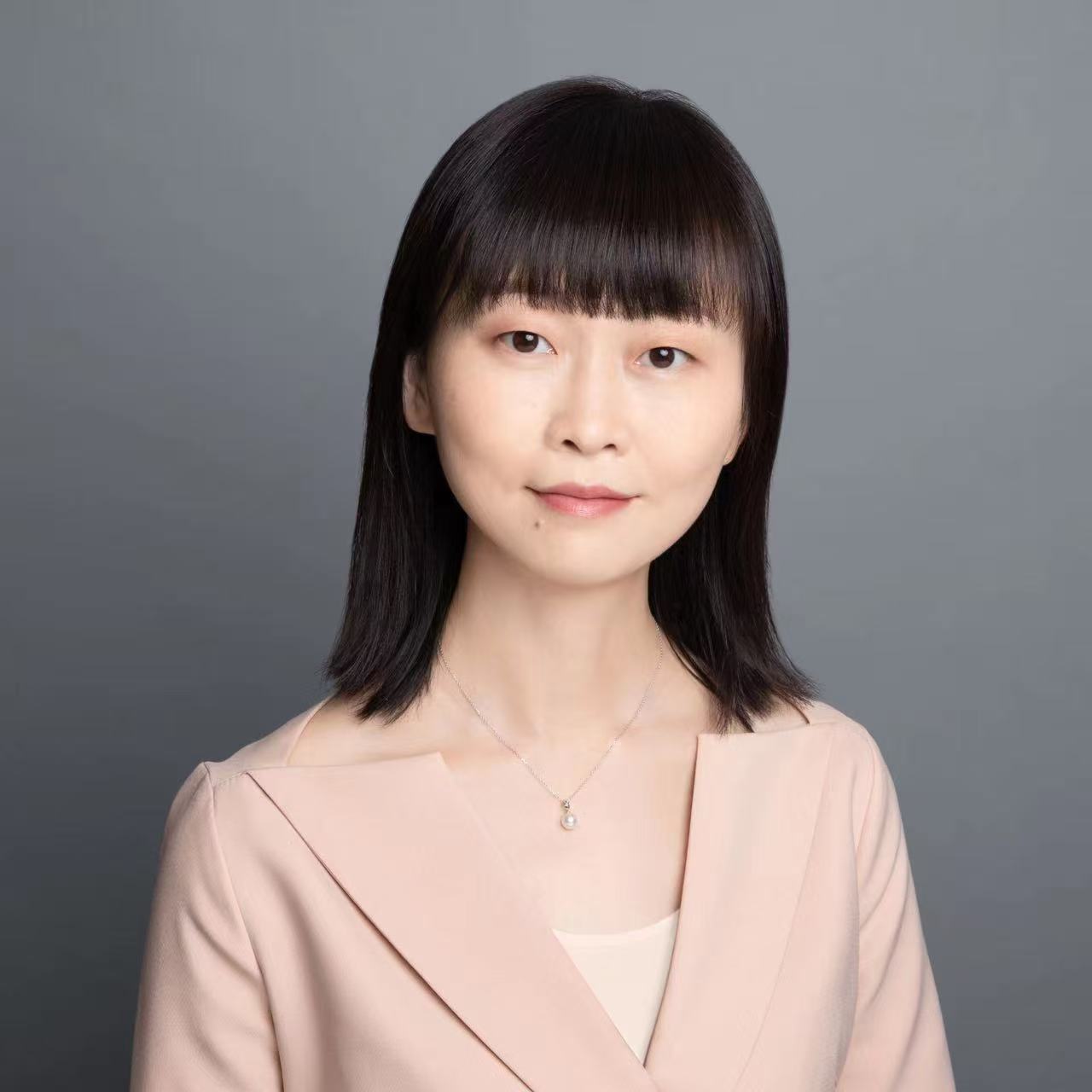
Institute of Arts Administration and Education, Central Academy of Fine Arts, Beijing, ChinaClinical Art Therapy; Adolescent Art Therapy and Aesthetic Education; Art Therapy and Creative Aging; Positive Art Therapy
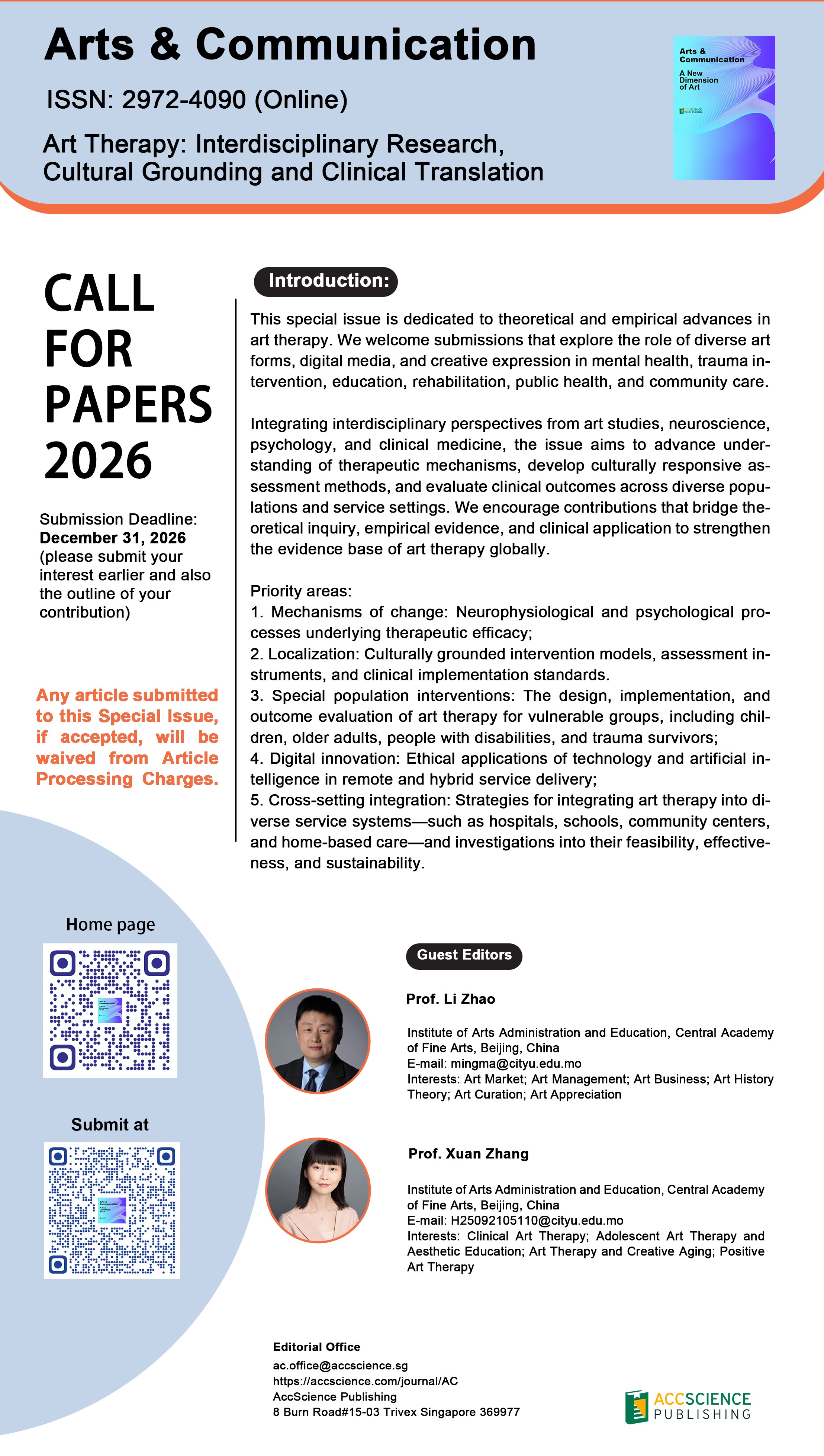
This special issue is dedicated to theoretical and empirical advances in art therapy. We welcome submissions that explore the role of diverse art forms, digital media, and creative expression in mental health, trauma intervention, education, rehabilitation, public health, and community care.
Integrating interdisciplinary perspectives from art studies, neuroscience, psychology, and clinical medicine, the issue aims to advance understanding of therapeutic mechanisms, develop culturally responsive assessment methods, and evaluate clinical outcomes across diverse populations and service settings. We encourage contributions that bridge theoretical inquiry, empirical evidence, and clinical application to strengthen the evidence base of art therapy globally.
Priority areas:
- Mechanisms of change: Neurophysiological and psychological processes underlying therapeutic efficacy;
- Localization: Culturally grounded intervention models, assessment instruments, and clinical implementation standards.
- Special population interventions: The design, implementation, and outcome evaluation of art therapy for vulnerable groups, including children, older adults, people with disabilities, and trauma survivors;
- Digital innovation: Ethical applications of technology and artificial intelligence in remote and hybrid service delivery;
- Cross-setting integration: Strategies for integrating art therapy into diverse service systems—such as hospitals, schools, community centers, and home-based care—and investigations into their feasibility, effectiveness, and sustainability.