


The Institute of Cardiovascular Sciences, Peking University, Beijing, ChinaCardiovascular metabolism; Lipid metabolism; Cardiovascular and cerebrovascular research; Cardiovascular translational medicine


Center for Studies and Research in Cognitive Neuroscience, Department of Psychology, University of Bologna, Bologna, ItalyTMS; Skin conductance; Heart rate variability; Fear conditioning; Learning; Neuropsychology; Anxiety; Depression; Working memory; PTSD; Skin conductance responses; Psychophysiology; Error-related negativity; EEG; tDCS; Alzheimer’s disease; PIT; Stress-related disorders; Parkinson disease; Resilience; Memory; Neurologic patients; Cognitive decisions; fMRI; Translational and molecular psychiatry


Renal Division, Department of Medicine, Peking University First Hospital, Peking University Institute of Nephrology, Key Laboratory of Renal Disease, Ministry of Health of China, Key Laboratory of Chronic Kidney Disease Prevention and Treatment (Peking University), Ministry of Education, Research Units of Diagnosis and Treatment of Immune-mediated Kidney Diseases, Chinese Academy of Medical Sciences, Beijing, ChinaImmune kidney disease; Diabetes nephropathy; Nephritis; Chronic kidney disease; Renal insufficiency

Department of Clinical Oncology, Queen Elizabeth Hospital, Hong Kong, China.Genomics; Proteomics; Drug repurposing; Bioinformatics; Next-generation sequencing; Cancer biomarker; Evidence-based medicine; Extracellular vesicles; MicroRNA; Molecular diagnostics; Non-coding RNAs; Nasopharyngeal carcinoma; Non-small cell lung cancer
Dr. William Cho is a biomedical scientist at the Department of Clinical Oncology, Queen Elizabeth Hospital in Hong Kong. With a strong background in cancer biomarker discovery and translational research, Dr. Cho has published extensively in peer-reviewed journals. His research interests include genomics, proteomics, and liquid biopsy in oncology. He actively serves on editorial boards and is a frequent reviewer for international scientific journals.


Faculty of Pharmacy & Pharmaceutical Sciences, University of Alberta, Edmonton, CanadaPharmacokinetics; Drug Delivery; Pharmaceutics; Pharmacology; Toxicology
Dr. Neal M. Davies received his undergraduate degree in Pharmacy from the University of Alberta in 1991. In 1996, he completed his Ph.D. in pharmaceutical sciences, specializing in pharmacokinetics, at the University of Alberta. From 1995 to 1998, he undertook postdoctoral training in pharmacology and toxicology at the University of Calgary. He then joined the University of Sydney as a lecturer in 1998. In 2002, he returned to North America to join the Washington State University’s (WSU) College of Pharmacy as an academic staff member, where he has held the positions of Director of the Pharmaceutical Sciences Graduate Program, as well as Director of Professional and Undergraduate Research and Director of Summer Undergraduate Research Fellowship program. He has been active on numerous university-wide committees, including service as a member of WSU’s Faculty Senate and Chair of the Institutional Animal Care and Use Committe. From 2011-2016 he was Dean of the Faculty of Pharmacy at the University of Manitoba. Under his direction he has been involved in several administrative and operational initiatives including: strategic planning, faculty accreditation review processes; and development of a first professional degree in Pharmacy (PharmD) program. He played key roles in faculty and graduate student recruitment and success and development of Pharmaceutical Analysis Laboratory (PAL). Throughout his career, Dr. Davies has strived to maintain the highest standard of teaching and research, and his achievements in both areas have been recognized through numerous awards and honours including several from the United States Pharmacopeia and the Canadian Society of Pharmaceutical Sciences. He has taught at the undergraduate and graduate levels, and has an ongoing and significant commitment toward graduate supervision and training. He has been at the forefront of the use of technology in the classroom, has re-engineered curricular content and maintained a high standard in student mentoring. Dr. Davies also maintains an active and highly collaborative externally-funded research program, focused on pharmacokinetics and drug delivery as well as basic and clinical pharmaceutical sciences which have attracted National Institutes of Health and Industry funds. He holds five patent applications and has disseminated his work broadly through numerous journal publications, a book and book chapters, abstracts, and invited conference presentations. He has ~8000 citations and an H-index >50. Dr. Davies has been a registered pharmacist with the Alberta College of Pharmacists since 1991. He is active in numerous professional organizations/associations, including the Canadian Society of Pharmaceutical Sciences and the American Association of Pharmaceutical Scientists, and serves as a reviewer and on the editorial board of several pharmaceutical and pharmacological science journals. Over the past decade Dr. Davies has also been heavily involved in pharmacy education research including curriculum mapping, interprofessional education, online teaching, and implementing expanded scopes of practice programs. On September 1, 2016 Dr. Davies commenced his term as Dean and Professor in the Faculty of Pharmacy & Pharmaceutical Sciences at the University of Alberta.


Department of Pathology, National University of Singapore, SingaporeCancer Immunotherapy; Targeted Therapy; Cancer Vaccine; Cancer Genome; cfDNA Methylome and Cancer Screening
Research Assistant Professor in the field of Pathology.
The research interests of the applicant focus on two critical areas in cancer research: developing innovative therapeutic approaches to overcome resistance to cancer immunotherapy; and identifying genetic and epigenetic abnormalities in cancers and pre-cancers. He has authored 71 manuscripts in international journals, over half of them were published in journals with impact factor >10. He also served as an invited ad hoc reviewer and reviewed over 440 manuscripts for 131 international journals. Over the past two years, he has successfully secured more than 2.2 million SGD in research funding as the Principal Investigator (PI), and 3.5 million SGD as Co-Investigator and Collaborator. He also contributes as a Team Principal Investigator to a large CRP (Competitive Research Programme) grant from NRF. He was the recipient of the prestigious Lee Kuan Yew Postdoctoral Fellowship and the Year 2021 Gilead Research Scholars Award (Hematology and Oncology).


Coordinator of the International Head and Neck Scientific Group, Padua, ItalyHead and Neck Cancer; Neuroendocrine Neoplasms of the Head and Neck; Distant Metastases from Head and Neck Cancer
He has been honored with several distinctions from professional ENT Societies including two Presidential Citations from the American Laryngological Associationfor his contributions made to the field of laryngology and the association. He has been appointed as the International Liaison for Corresponding Fellows of the American Laryngological Association. He is also a Fellowship External Examiner in Otorhinolaryngology at the Royal College of Surgeons in Ireland.

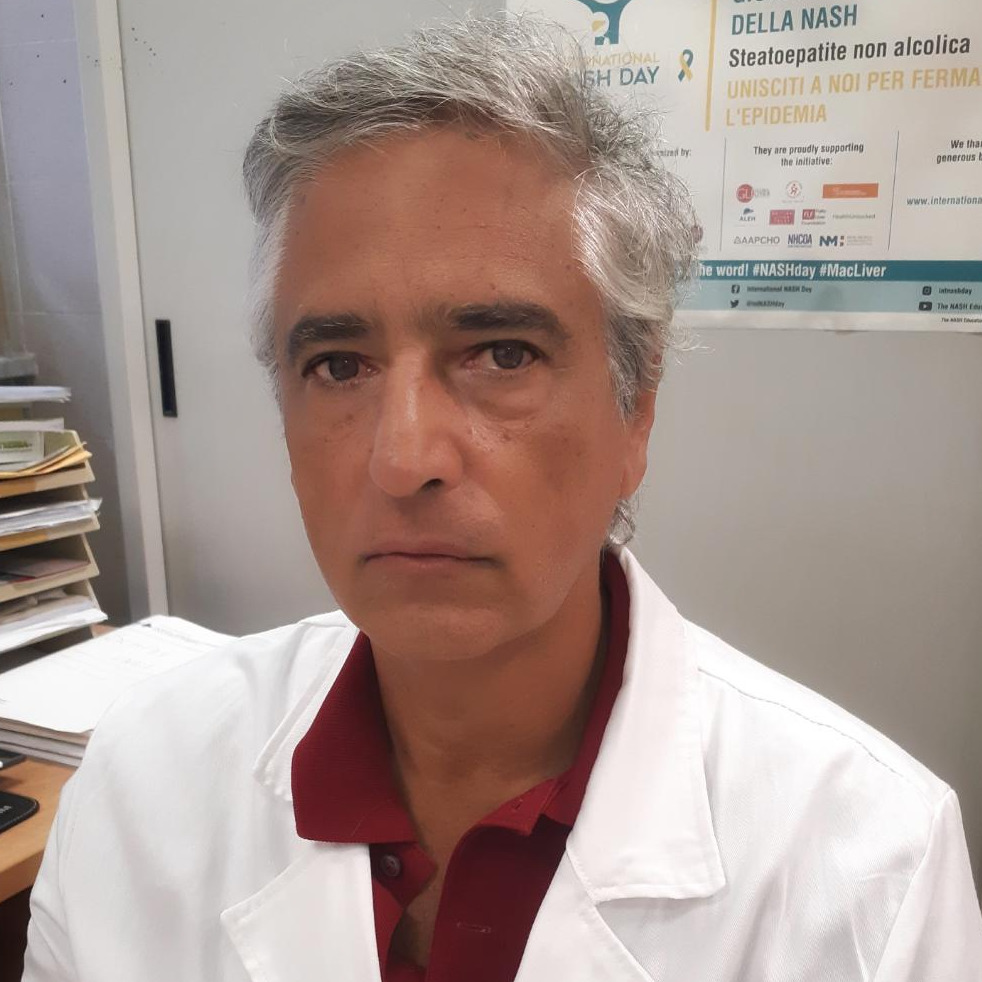
Multidisciplinary Department of Medical-Surgical and Odontostomatological Specialties, University of Campania “Luigi Vanvitelli,” 80121 Naples, ItalyBiomaterials; Bioengineering; Oral Rehabilitation; Oral Surgery; Prosthodontics; Dental Materials; Oral Pathology
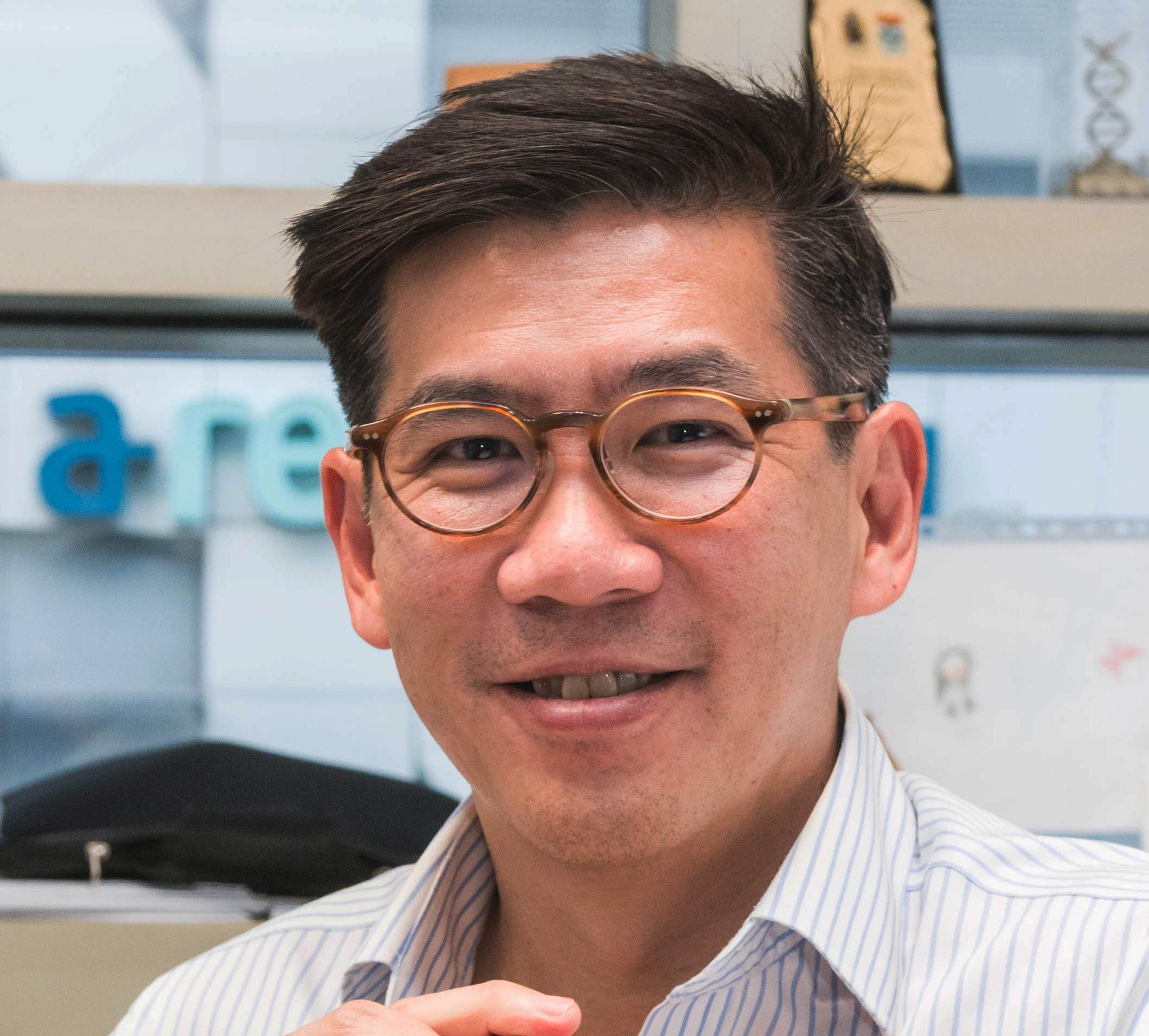
Yong Loo Lin School of Medicine, National University of Singapore, SingaporeCardiovascular medicine and haematology; Clinical sciences; Biochemistry and cell biology; Genetics; Medical physiology; Sports science and exercise; Oncology and carcinogenesis; Nutrition and dietetics; Medical biotechnology; Medical biochemistry and metabolomics; Epigenetics (incl. genome methylation and epigenomics)

Department of Internal Medicine, Division of Hematology, Oncology and Bone & Marrow, Transplantation, Holden Comprehensive Cancer Center, University of Iowa, Iowa, the United StatesmCRPC; mCSPC; Biomarkers for Prostate Cancer; Treatment for Prostate Cancer
Genitourinary cancers; Prostate cancer; Bladder cancer; Immunotherapy; Clinical trial development; Treatment and management


Department of Precision Medicine, Università degli Studi della Campania Luigi Vanvitelli, Naples, ItalyNeurodegeneration; Neuroinflammation; Biochemistry and molecular biology of transglutaminases


Department of Population and Public Health Sciences, Division of Epidemiology and Genetics, Keck School of Medicine of USC, Los Angeles, United StatesStatistical Genetics; GWAS; Meta-analysis; Gene-environment interaction; Mendelian Randomization; Cardiovascular disease; Mendelian Randomization


Children's Hospital and School of Medicine, China Medical University, TaiChung, Taiwan province of ChinaStructural/congenital cardiovascular disease; Kawasaki Disease; Ultasound/echocardiography; Digital medicine; Interventional cardiovascular disease treatment; Hypertension; Metabolic heart disease and cardiovascular health promotion; Pediatric intensive care; Pediatric thoracic medicine; Perinatal fetal and neonatal medicine

Laboratory of Cancer Signaling, Division of Cellular and Molecular Research, National Cancer Centre Singapore and the Cancer and Stem Cell Program, Duke-NUS Medical School, SingaporeRAS/RAF/MEK/ERK Signaling; Protein kinase and protein phosphorylation; Targeted therapy and Drug resistance; Cancer biology and Immunology


Department of Gynecology and Obstetrics, Johns Hopkins University, School of Medicine, 720 Rutland Ave, Ross Research Building, Room 624, Baltimore, MD 21205, USANutraceuticals; Dietary products; Natural compounds; Reproductive disorders; Cancers; Inflammation and fibrosis; Uterine fibroids; Growth factor and proges-terone signaling; Small molecule inhibitors


Department of Clinical Research, University of Southern Denmark (SDU), Odense, DenmarkCapsule endoscopy; Colonoscopy; Device-assisted enteroscopy; Colorectal cancer; Gastrointestinal endoscopy
Prof. Anastasios Koulaouzidis is a gastroenterologist and academic endoscopist with a longstanding clinical and research interest in small-bowel investigation, capsule endoscopy, and advanced diagnostic endoscopy. His work focuses on innovation in gastrointestinal imaging, capsule endoscopy, quality in endoscopy, and the integration of emerging technologies into clinical practice. He has authored extensively in the field and is actively involved in international collaborative and educational initiatives in digestive endoscopy.


Heart and Vascular Institute, Hershey Medical Center Pennsylvania State University, Hershey, United StatesCardiovascular diseases; Immunology; Cell biology and physiology; Molecular biology; Heart failure; Myocardial infarction
Dr. Vinay Kumar holds a master's degree in biotechnology from Himachal Pradesh University, Shimla, India, as well as a PhD in Molecular Biology and Genetic Engineering from Jawaharlal Nehru University, New Delhi, India. Presently at Pennsylvania State University, he conducts thorough studies of dysregulated innate and adaptive immunological networks and their function in modulating the pathophysiology of myocardial infarction (MI) and chronic heart failure (HF).
Dr. Kumar is especially interested in determining the function of T-cell subsets and the time-dependent phenotypic changes that these cells endure during chronic HF. In addition, he is interested in identifying and devising novel strategies to reverse pathological changes in immune cells in preparation for their transition from the laboratory to the clinic. His training in physiology, immunology, and molecular biology equips him with unique perspectives to research heart failure and develop mechanism-based, clinically applicable immune-therapeutic strategies.


Department of Endocrinology and Metabolism, Shanghai Jiao Tong University Affiliated Sixth People’s Hospital, Shanghai, ChinaPathogenesis of diabetes and new targets in diagnosis and treatment; Role of cytokines in the metabolic disorders (NAFLD, obesity; Diabetes and atherosclerosis); Biomarkers in metabolic disorders and cardiovascular diseases; Lifestyle intervention; Gut microbiota and host metabolism


A. James Clark School of Engineering, College Park, United StatesCancer immunotherapy; Nano-drug; Drug delivery; Tumor-targeted drug delivery

Department of Neurological Surgery, Rush University Medical Center, Chicago, USAAlzheimer's disease; Brain tumors; Imaging; Immunotherapy; Medical neurosciences; Neurobiology; Spine surgery; Thyroid
Associate Professor in Department of Neurological Surgery at Rush University, Chicago, USA. He has a number of research interests, and his brain tumor work is largely focused on the development of a DNA vaccine for treatment of primary and metastatic intracerebral tumors. In particular Dr. Lichtor has shown that vaccines prepared by transfer of DNA from the tumor into a highly immunogenic cell line stimulates an antitumor immune response which may be efficacious in the treatment of patients with brain tumors. Other research interests include developing a passive immunotherapeutic strategy for treatment of Alzheimer’s Disease. In addition, he has been involved in the development of a non-invasive MRI technique to measure intracranial pressure and brain compliance, and has been exploring the efficacy of this modality in managing a variety of patients with neurologic problems where intracranial pressure is an issue. Dr. Lichtor is a member of the neurosurgery faculty at Rush University Medical Center in Chicago, Illinois.


University of Verona | UNIVR · Department of Engineering for Innovation MedicinePre-analytical variability; Analytical and clinical validation of biomarkers; Metabolism of lipoproteins and relevant assay methods; Diagnosis and management of disorders of haemostasis and thrombosis; COVID-19


Department of Pharmacology and Toxicology, The University of Arizona, Tucson, United StatesMachine learning; Optimization; Signal processing; Bioinformatics
Dr. Saurav Mallik is currently working as Research Scientist in the Department of Pharmacology and Toxicology, The University of Arizona, USA. Previously, he worked as Postdoctoral Fellow in the Department of Environmental Health, Harvard T H Chan School of Public Health, Boston, USA for more than three years (2019-2022), the Center of Precision Health, Department of School of Biomedical Informatics, University of Texas Health Science Center at Houston, Houston, Texas, USA for one and half year (2018-2019), and in the Division of Bio-statistics, Department of Public Health Sciences, University of Miami Miller School of Medicine, Miami, Florida, USA for more than one year (2017-2018). He obtained his PhD degree in the Department of Computer Science & Engineering (C.S.E.) from Jadavpur University, Kolkata, India in 2017 while his PhD works carried out in Machine Intelligence Unit (MIU), Indian Statistical Institute (ISI), Kolkata, India. He worked previously at ISI, Kolkata, India as a Junior Research Fellow (JRF) in DST (Department of Science & Technology, New Delhi, Govt. of India)-sponsored Swarnajayanti project and as a Visiting Scientist (VS) for a total of more than 3 years (2011-2013 & 2015-2016). He also worked in the Department of Computer Science & Engineering, Jadavpur University, Kolkata, India as UGC (University Grant Commission, Govt. of India) Research Fellow for 2 years (2014-2015 & 2016-2017). He is the recipient of Research Associate-ship (RA) from CSIR (Council of Scientific and Industrial Research), MHRD, Govt. of India in 2017. He also worked as assistant professor in the Department of Computer Science & Engineering in Mallabhum Institute of Technology, Bisnupur, WB, India (currently on leave). He is also recipient of "Emerging Researcher In Bioinformatics" award from Bioclues & BIRD Award steering committee, India (http://bioclues.org/) in the year 2020 and "Young scientist award" on “International Scientist Awards on Engineering, Science and Medicine" (ISAO 2021) from a non-profit organization, VDGOOD Professional Association of Scientists, Engineers and Doctors, India in the year 2021. He received two times Travel Grant Award for International Conference on Intelligent Biology and Medicine (ICIBM), June 2018 at Los Angeles, California, USA and August 2021 at Philadelphia, PA, USA. Dr. Mallik has coauthored more than 180 research papers in various peer-reviewed International Journals, Conferences and Book Chapters. He also has more than 20 authored/edited book publication in Taylor & Francis, River publishers, IET, Springer, Bentham, etc. His papers are highly cited (google scholar citation >1850 and h-index=22). He attended many national and international conferences in USA and India. He is currently an active member of Institute of Electrical and Electronics Engineers (IEEE), American Association for Cancer Research (AACR), and Association for Computing Machinery (ACM), USA and life member of BIOCLUES, India (http://bioclues.org/). He is also member of international advisory committee of many reputed engineering colleges in India. His research areas include Data mining, computational biology, bioinformatics, Bio-statistics and machine learning.
Dipartimento di Medicina Sperimentale, Sapienza Università di Roma, Viale Regina Elena, 324, 00161, Roma, ItalyTumor cell migration; Actin cytoskeleton organization; Growth factors; Receptor tyrosine kinases; In vitro biocompatibility; Nanomaterials; Image analysis

Hematology and Transplant University Unit, Azienda Ospedaliera SS Antonio e Biagio e Cesare Arrigo, Alessandria, via Venezia 6, 15121, ItalyChronic myeloproliferative neoplasms; Allogeneic hematopoietic stem cell transplantation; Chimeric antigen-receptor T-cells; Immune thrombocytopenia; Venous thromboembolism; Decision analysis; Artificial intelligence; Pharmacoeconomics; Clinical practice guidelines


Department of Neurology, Faculty of Medicine, University of São Paulo São Paulo, BrazilNeuroscience; Cognitive Neuroscience; Cognitive Neuropsychology; Brain Imaging; Clinical Neuropsychology; Memory; Executive Function; Learning and Memory; Neuroimaging; Cognition Disorders


Department of Internal Medicine II, University Hospital Salzburg, Paracelsus Medical University, Salzburg, AustriaCardiovascular Disease in COVID-19; Cardiac Arrhythmias; Cardiac Calcium Handling; Mitochondria in Cardiac Pathology; Cardiac Electrophysiology; Cardiac Electrophysiology; Cardiac Biomarkers; Cardiac Device Therapy

Department of Internal Medicine, University of Genova, Genova, ItalyPharmacogenomics; Immunology; Vaccines; Biologics; HIV; Allergies; Atherosclerosis; Autoimmunity; Immune-mediated diseases; Immunodeficiency; Neuroendocrine-immunology
Giuseppe Murdaca has received his PhD in Science and Space Engineering at the University of Genova (Italy) during the period of 2000-2003. Currently, he is working as Assistant professor in Internal Medicine University of Genova (Italy).
His research has included Immunodeficiency Autoimmunity Neuro-endocrino-immunology Pharmacogenomics.
Based on this research and fellowship training he has received several awards and honors, such as:
Prize for young researchers of the study, assigned by the GILS, with the following motivation: "Standardization of a method to assess impairment by skinfold thickness skin", delivered on the occasion of the "Day VII Italian to fight Scleroderma" (Milan, 17/3 / 2001).
Award for one of the three best oral presentations at the Ninth Congress of the Inter-SIMI Piemonte and Valle D'Aosta, Liguria (Genoa, 06.17.2004): Murdaca G., Fenoglio D., M. Setti, Brenci S., Villa R., Pontali E., A. Kunkl, Indiveri F., Puppo F. "Generation of CD4 + lines specific for Pneumocystis carinii and Candida albicans obtained from HIV + patients. Meaning of the coexpression of IFN-? and IL-4 ".


National Institute of Materials Physics, Magurele, RomaniaBiomaterials; Biomedical Applications; Biotechnology; Environmental Applications; Food Industry; Hydroxyapatite; Magnetic Properties; Iron Oxide Nanoparticles; Structural Properties; Surface Properties; Antimicrobial Properties; Antimicrobial Coatings; Pharmaceutical Applications; Colloidal Properties


College of Biomedical Sciences, Larkin University, 18301 N Miami Ave, Miami, FL 33169, USAClinical and Translational Research; Drug Discovery and Development; Nanotechnology and Biotechnology; Targeted and Controlled Release Drug Delivery; Bioavailability Enhancement; Crystal Engineering and Ionic Liquids formation of the Drugs; Natural Product Chemistry; Chiral Separations; Surfactant and Colloidal Chemistry; Chemistry of Fragrance


NanoRegMed Ltd, London BioScience Innovation Centre, London, UKDrug, gene, and vaccine delivery; Nanomaterials; Nanomedicine; Regenerative medicine; Nano drug delivery system; Stem Cell Technology; Facial organs, heart valves, and tendons.

Dongfang Hospital, Beijing University of Chinese Medicine, Beijing, ChinaEvidence based TCM; Clinical research of TCM; TCM on cardiovascular diseases; Effect characteristics of TCM; Mechanisms of TCM
Researcher, Doctoral Supervisor. He currently serves as the President of Dongfang Hospital, Beijing University of Chinese Medicine , and Director of the Key Laboratory of Internal Medicine of Chinese Medicine (Beijing University of Chinese Medicine), Ministry of Education. He is a recipient of the National Science Fund for Distinguished Young Scholars, and has been selected for the National High-Level Talent Special Support Plan (Ten Thousand Talent Program), the Qi Huang Scholar Support Program of the National Administration of Traditional Chinese Medicine, the Innovation Talent Promotion Program of the Ministry of Science and Technology, and the New Century Excellent Talents Program of the Ministry of Education. He was honored as an Advanced Individual in the National Science and Technology System for Fighting the COVID-19 Pandemic. Concurrently, he serves as the President of the Clinical Research Branch of the China Association of Traditional Chinese Medicine Information and as the Head of the Intelligent Traditional Chinese Medicine Group of the Medical Artificial Intelligence Branch, Chinese Society of Biomedical Engineering.


Altinbas University, Faculty of Medicine; Bahcelievler Medicalpark Hospital, Istanbul, TurkeyRheumatoid Arthritis; Spondyloarthropathies; Behçet’s Disease; Familial Mediterranean Fever; Sjogren’s Syndrome; Systemic Lupus Erythematosus; Vasculitis; Other automimmune/autoinflammatory rheumatic diseases; COVID-19 immunology and COVID-19 vaccines


Department of Cardiothoracic & Vascular Surgery, Montefiore Medical Center/Albert Einstein College of Medicine, New York, USAInduced pluripotent stem cell, Cardiac regenerative therapy, Stem cell therapy, Heart failure
.jpg)
Department of Pediatrics, University of Louisville School of Medicine, Louisville, USAThe role of SDF-1/CXCR4/CXCR7 axes in diabetic complications;The role of FGFs (e.g.: FGF1, FGF5, FGF16, FGF21, etc.) in diabetic complications; Antioxidative mechanisms of metallothionein and Nrf2 in diabetic complications


Department of Oral and Maxillofacial Sciences, Sapienza University of Rome, Rome, Italy3D in dentistry; Aesthetic dentistry; Clinical dentistry; Dental caries; Dental materials; Endodontics; Esthetic dentistry implantology; Oral surgery; Restorative dentistry
Dr. Luca Testarelli is an associate professor of Dental Restorative and Endodontics at Sapienza University of Rome, and Oral Care in School of Dental Hygienist in Sapienza University of Rome since 2006. His career began in 2000 with the degree cum laude as Doctor of Dental Sciences at Sapienza University of Rome and followed by a PhD degree (2004) and specialization in Orthognathodontics (2008). Since 2011 he has practiced as a dentist in the Dental Clinic of Policlinico Umberto I’s Hospital of Rome.
He is member of several scientific national and international associations and member of editorial boards of several dental scientific journals. His research interests and activity are mostly related to dentistry and specifically focused on lines of research, such as: cross-infection control in Dentistry, experimental in vitro and in vivo evaluation of dental materials used in endodontic practice, particularly related to nickel-titanium rotary instruments, sealers and irrigants, experimental in vitro and in vivo evaluation of dental materials for dental hygienists, implantology and 3D dental radiology.

1st Department of Neurology, Aristotle University of Thessaloniki, Thessaloniki, GreeceNeuropsychiatry; Neuropsychological assessment; Individual traditional and computerized cognitive programs; Cognitive interventions; Motion and art therapy; Physical activity and mental imagery; Reminiscence for Alzheimer’s disease and dementia
She is Professor of Neurology since 2010, Neuropsychiatrist since 1983, and she has worked at Aristotle University of Thessaloniki since 1982 and the 3rd Department of Neurology of Aristotle University of Thessaloniki since 1988. She has been the primary author or co-author for more than 41 Books. She has also, participated with more than 412 abstracts in Greek Conferences, with more than 389 abstracts in English International or European Conferences. She is the first author or co-author in more than 184 paper publications in Greek Journals, and more than 318 in International Journals. Three hundred ninety-three of them are available in her Scopus profile matching an h-index=60, having more than 14000 citations. She has been a reviewer for more than 96 Conferences and Journals. She has organized 27 National Conferences on AD and 6 International. She was one of the three advisory members for 50 doctora theses at the university whom which the 28 are complete. She has created the Greek Alzheimer Association in 1995 and the Greek Federation of Alzheimer.

Department of Research, Fondazione Paolo Procacci, Roma, ItalyPain medicine; Pain assessment; Pain management; Acute pain; Chronic pain; Pain research; Comorbidity; Anesthesiology
President of Fondazione Paolo Procacci. Scientific activities: Former President of the European Pain Federation (EFIC); former President of the Italian Association for the Study of Pain (ASID). Academic activities: Former Full Professor, Anesthesia and Pain Medicine, UNIVAQ, Italy; former Chairman, Dept. of Health and Medical Sciences at the same University. At the moment is Honorary Professor of Pain Medicine at the University of Baghdad, Baghdad, Iraq.

Faculdade de Medicina da Universidade do Porto (FMUP), Porto, PortugalPharmacology; Heart disease; Cardiology; Internal Medicine

Obstetrics and Gynecology Unit, IVF Center, DIM Department, University of Bari, Bari, ItalyInfertility; Assisted reproduction technologies; Hysteroscopy; Laparoscopy; Reproductive biology; Reproductive immunology; Ovarian stimulation; Endometrium; Uterine pathologies; Fertility preservation



Cardiovascular Translational Research Center, Department of Cell Biology and Anatomy SmartState Endowed Chair in Biofabrication, University of South Carolina, Columbia, United StatesVascular smooth muscle; Endothelium; Hypertension; Vasculogenic sexual dysfunction (male and female)
Professor, Biomedical Engineerin, 2021-Present
Professor and Chairperson, Department of Physiology Augusta University, 1999-2020
Professor (Assistant to Full), University of Michigan, 1979-99
Research Associate, Universitaire Instelling Antwerpen, 1978-79
Postdoctoral Fellow, University of Michigan, 1976-78
University of Iowa, Ph.D. (Anatomy), 1973-76
Southern Illinois University, M.S. (Physiology), 1971-73
Southern Illinois University, B.A. (Physiology), 1967-71


Department of Surgery, Division of Cardiac Surgery, The Ohio State University, Columbus, Ohio, USACardiac ischemic injury; Sepsis-induced cardiomyopathy (SICM); Diabetic cardiomyopathy; Microvascular endothelial barrier dysfunction; COVID-19-associated heart injury; Cardiac mitochondrial function; Blood-brain-barrier; Cell-cell Communication in the Vascular Diseases

Department of Cardiology, Nanjing Drum Tower Hospital, the Affiliated Hospital of Nanjing University Medical School, Nanjing, ChinaLeft ventricular remodeling; Cardiac regeneration and repair; Inflammation and ischemia reperfusion injury; Stem cell therapy for acute myocardial infarction; Mechanisms of immune regulation

Division of Radiological Sciences, Mallinckrodt Institute of Radiology, Washington University School of Medicine, St. Louis, United StatesAlzheimer’s disease; Parkinson's disease; Central nervous disorders; Postmortem biomarker validation and characterization; In vivo positron emission tomography; In vitro quantitative autoradiography


Department of Internal of Bashkir State Medical University, Ufa, Russian FederationCardiovascular biomarkers; RIPC; Coronary reperfusion; Arrythmis; COVID-19; Genetics; Epicardial fat; Cardiovascular epidemiology

Pulmonary Department, "General Clinic Euromedica" Private Hospital, Thessaloniki, GreeceLung diseases; Gene therapy; Design, development, and therapy of novel drugs
Dr. Pavlos Zarogoulidis, M.D, Ph. D Director of Pulmonary Department, ``General Clinic Euromedica`` Private Hospital, Thessaloniki, Greece have three MS.c in ``Clinical Pharmacology``, ``Sleep Medicine`` and ``Thyroid Gland Disease and Treatment ``and my Ph. D is regarding inhaled chemotherapy for lung cancer. In my everyday practice I perform diagnosis for lung cancer with bronchoscopy, radial and convex probe endobronchial ultrasound and medical thoracoscopy.


School of Computing and Mathematical Sciences, University of Leicester, Leicester, UKArtificial intelligence; Deep learning; Medical image processing; Biomedical MRI; Brain; Biological organs; Cancer; Electroencephalography
Yu-Dong Zhang received his Ph.D. from the Southeast University. He worked as postdoc from 2010 to 2012 in the Columbia University, USA, and as Assistant Research Scientist from 2012 to 2013 at the Research Foundation of Mental Hygiene, USA. He served as a full professor from 2013 to 2017 in the Nanjing Normal University, where he was the founding director of Advanced Medical Image Processing Group in NJNU.He currently works as Chair Professor in the School of Computing and Mathematical Sciences, University of Leicester, UK. His research interests include explainable deep learning, medical image analysis, paZern recognition and medical sensors.
Prof. Yu-Dong Zhang is the Honorary Follow of World Leadership Academy, Fellow of IET, Fellow of EAI, and Fellow of BCS. He is the Senior Member of IEEE, IES, and ACM. He is the Distinguished Speaker of ACM. He was included in Most Cited Chinese Researchers (Computer Science) by Elsevier from 2014 to 2018. He was 2019, 2021-2024 recipient of Clarivate Highly Cited Researcher. He is included in the World’s Top 2% Scientist by Stanford University from 2020 to 2023. He won the Emerald Citation of Excellence 2017, MDPI Top 10 Most Cited Papers 2015, Information Fusion 2022 Best Paper Award, etc. His three papers are included in the UK Research Excellence Framework (REF) 2021.

Department of Cardiology, Nanjing Drum Tower Hospital, Nanjing, ChinaCardiovascular diseases; Diabetes; Inflammation; Cohort study; Satistical analysis
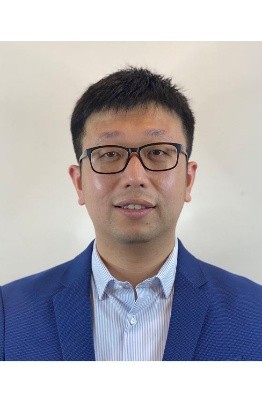
Department of Health Technology and Informatics, Faculty of Health and Social Sciences, The Hong Kong Polytechnic University, Hong Kong, ChinaExploring energy metabolism and reactive oxygen species signaling in the heart under both physiological and pathological conditions;
Identifying novel biomarkers for the early detection of diabetic cardiomyopathy using Omics techniques;
Discovering active compounds in Traditional Chinese Medicine for the treatment of different cardiac diseases;
Investigating the role of cardiac rehabilitation in improving outcomes for heart failure patients.


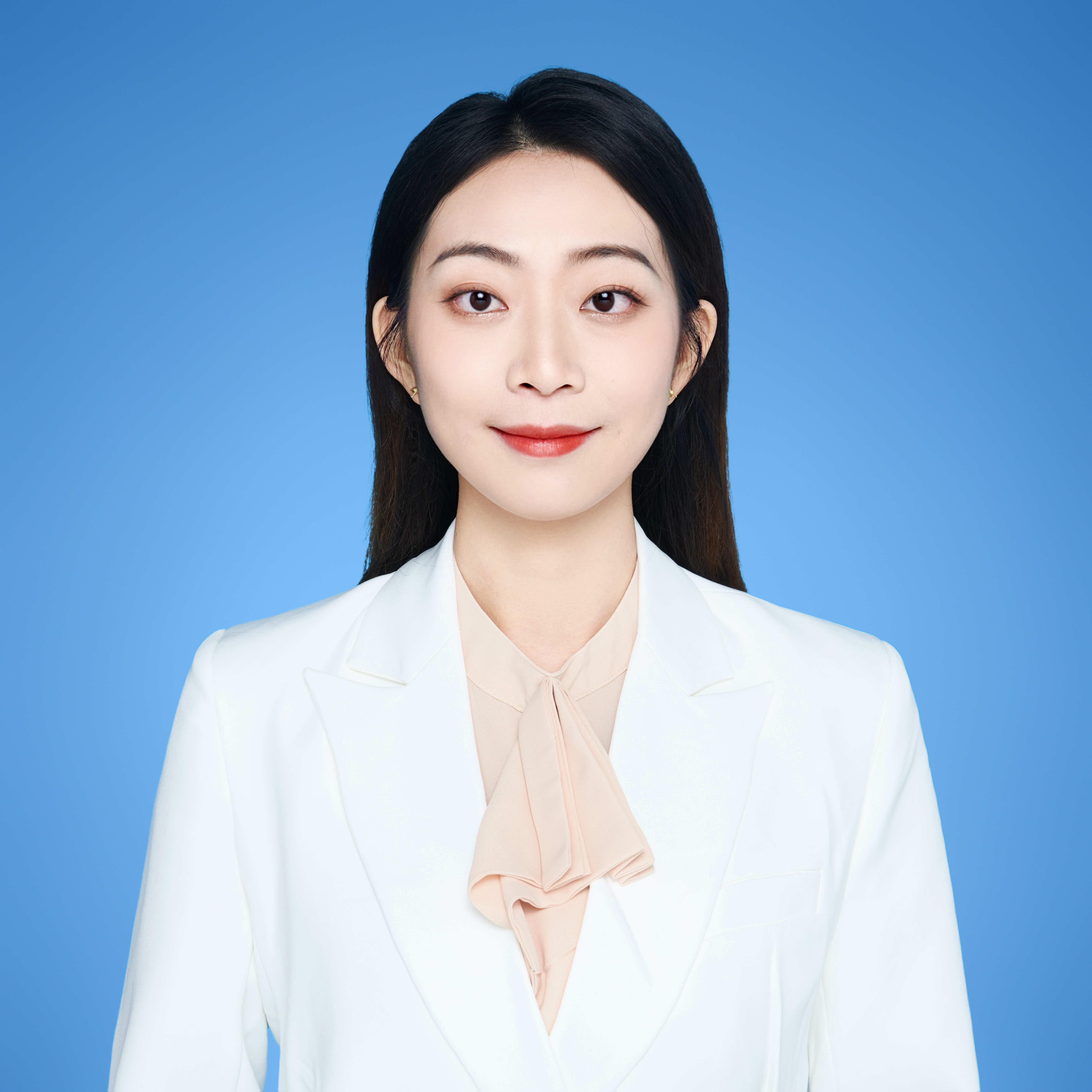
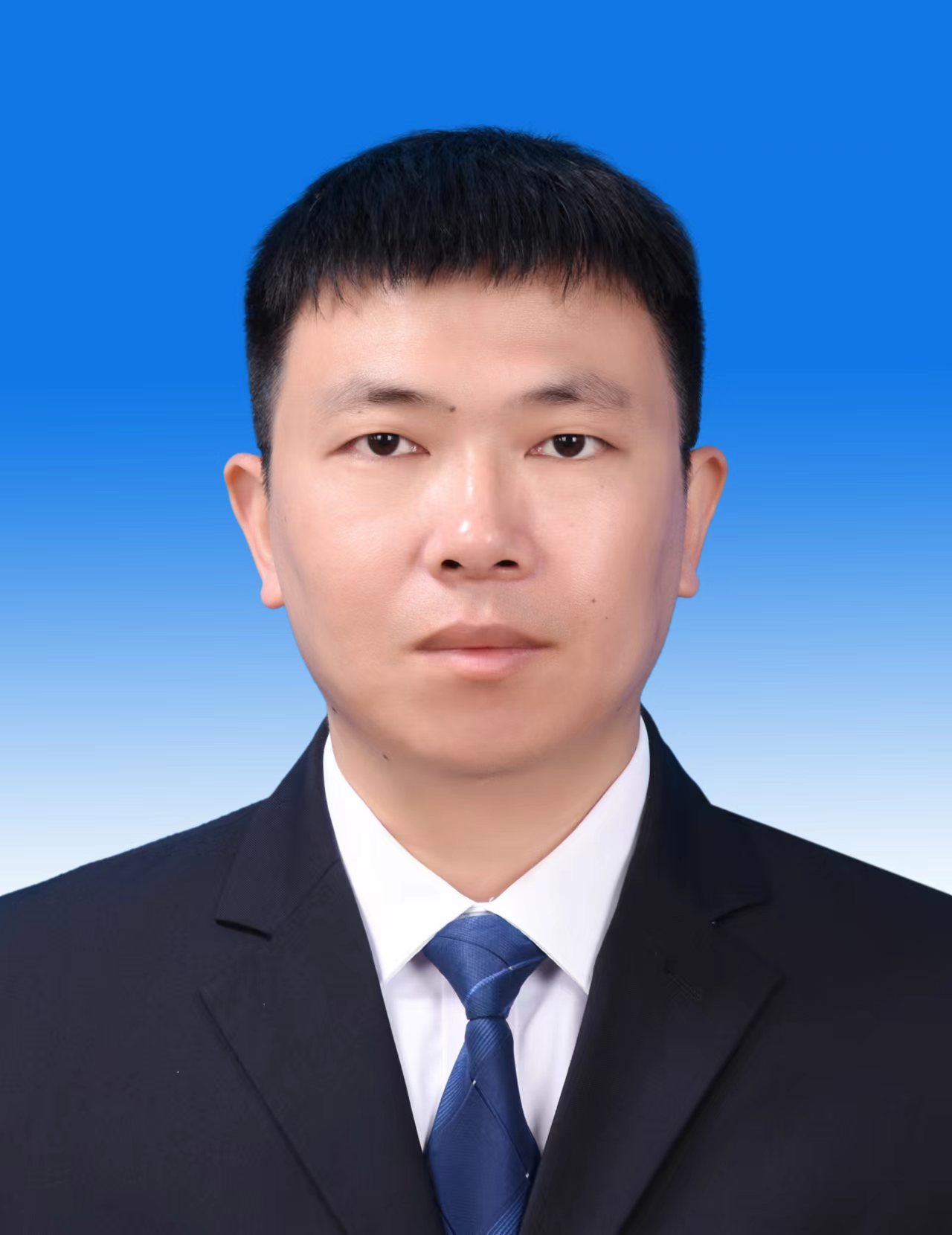
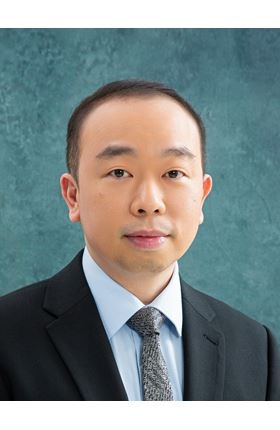
Department of Health Technology and Informatics, Faculty of Health and Social Sciences, The Hong Kong Polytechnic University, Hong Kong, ChinaEukaryotic Transcription Termination and Cellular Regulation: Mechanisms and factors involved in transcription regulation and cellular processes;
Oxidative Defense Mechanisms: Research on proteins such as peroxiredoxins in cellular stress responses and genomic stability;
Metabolic Hormones and Receptors: Investigation of novel hormones and receptors that influence metabolism and metabolic disorders.

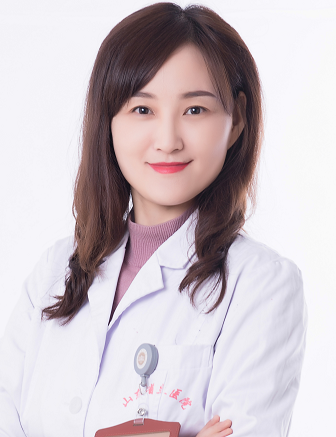
Department of Pediatric Endocrinology, Shandong Provincial Hospital Affiliated to Shandong First Medical University, Shandong, ChinaEndocrine and metabolic diseases; Clinical and basic research on rare diseases
