

Cardiovascular, neurological, and psychological disorders constitute some of the greatest challenges for modern healthcare. Traditionally studied as separate entities, growing evidence demonstrates that the heart, brain, and mind are interconnected through complex biological, behavioral, and psychosocial pathways. Psychological factors not only influence the onset and progression of cardiovascular and neurological diseases, but are themselves profoundly affected by these conditions, creating bidirectional relationships that impact prognosis, quality of life, functional recovery, and healthcare utilization.
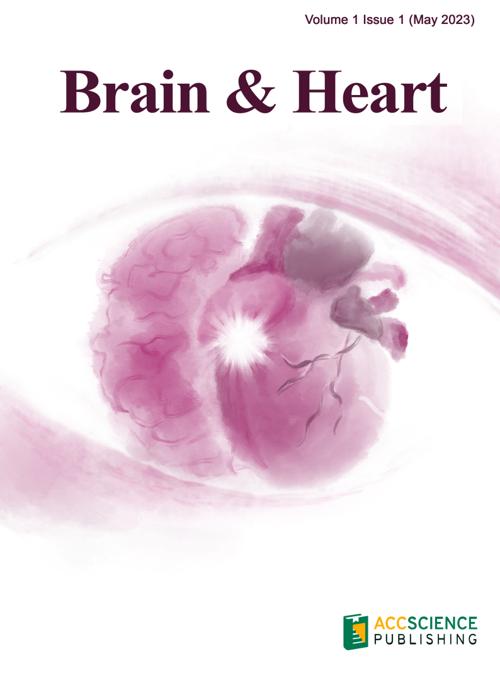
Depression, anxiety, chronic stress, sleep disturbances, personality traits, social isolation, and adverse life events have been associated with increased cardiovascular risk and poorer neurological outcomes. Conversely, conditions such as coronary artery disease, heart failure, atrial fibrillation, stroke, vascular cognitive impairment, and neurodegenerative disorders frequently contribute to psychological distress, cognitive dysfunction, and emotional impairment. Emerging research has further highlighted the role of autonomic regulation, inflammation, neuroendocrine mechanisms, brain-heart communication networks, and health-related behaviors in mediating these interactions.
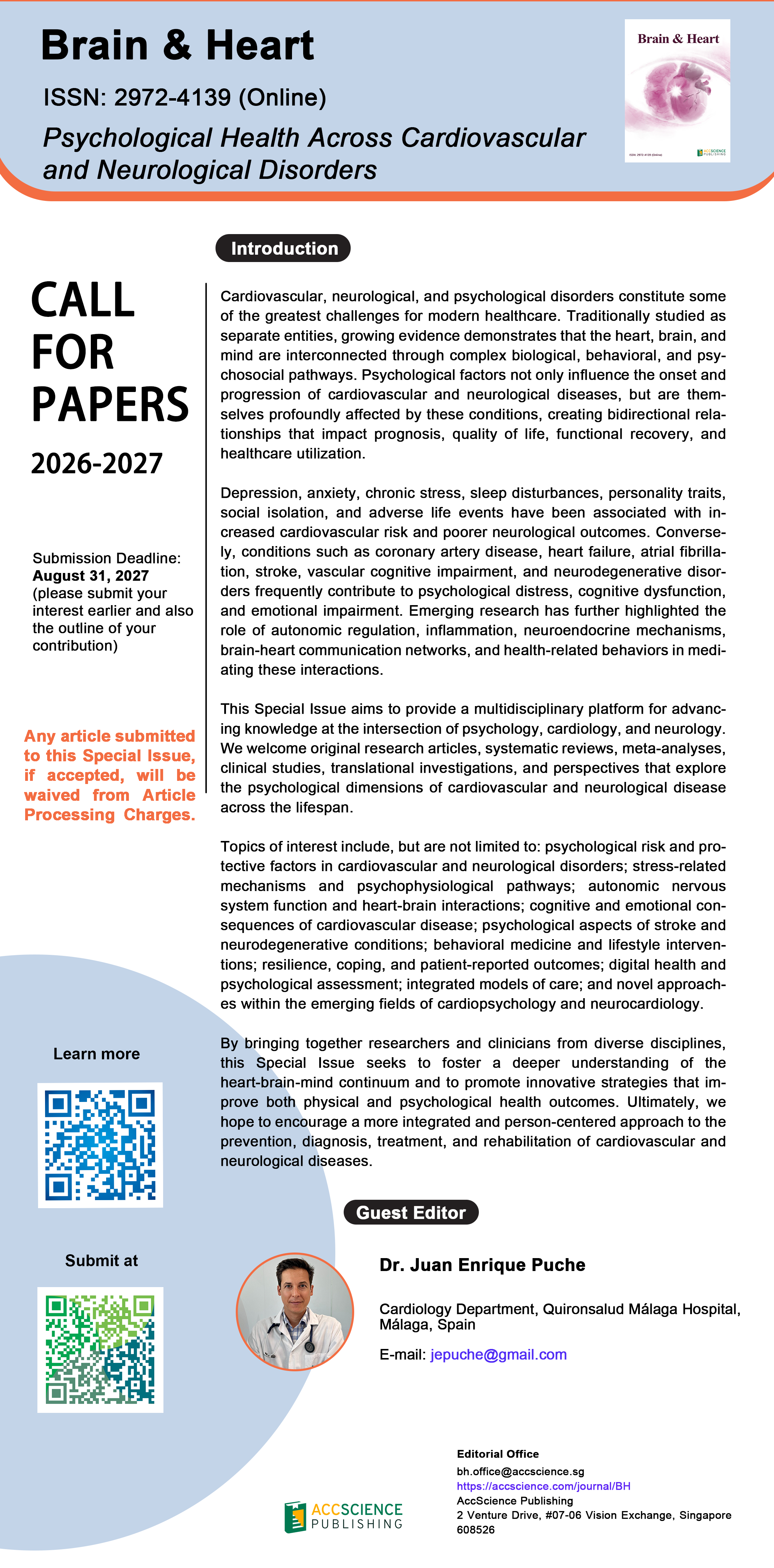
This Special Issue aims to provide a multidisciplinary platform for advancing knowledge at the intersection of psychology, cardiology, and neurology. We welcome original research articles, systematic reviews, meta-analyses, clinical studies, translational investigations, and perspectives that explore the psychological dimensions of cardiovascular and neurological disease across the lifespan.
Topics of interest include, but are not limited to: psychological risk and protective factors in cardiovascular and neurological disorders; stress-related mechanisms and psychophysiological pathways; autonomic nervous system function and heart-brain interactions; cognitive and emotional consequences of cardiovascular disease; psychological aspects of stroke and neurodegenerative conditions; behavioral medicine and lifestyle interventions; resilience, coping, and patient-reported outcomes; digital health and psychological assessment; integrated models of care; and novel approaches within the emerging fields of cardiopsychology and neurocardiology.
By bringing together researchers and clinicians from diverse disciplines, this Special Issue seeks to foster a deeper understanding of the heart-brain-mind continuum and to promote innovative strategies that improve both physical and psychological health outcomes. Ultimately, we hope to encourage a more integrated and person-centered approach to the prevention, diagnosis, treatment, and rehabilitation of cardiovascular and neurological diseases.