
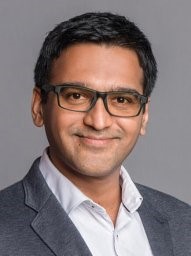
Engineering Product Development, Singapore University of Technology and Design, SingaporeReconfigurable robotics; Robot ergonomics; Bio-inspired design; Robotics foresight; Human-robot interaction; Assistive technologies
Dr. Mohan is currently a Full Professor with the Engineering Product Development Pillar at Singapore University of Technology and Design (SUTD). He received his Ph.D. and M.Sc degrees from the Nanyang Technological University. He obtained his B.E degree from the Amrita Institute of Technology and Sciences affiliated to Bharathiar University, India. His research interests are in robotics with an emphasis on reconfigurable platforms as well as research problems related to robot ergonomics and autonomous systems. He has published more than 300 papers in leading journals, books, and conferences. He is the recipient of SG Mark Design Award, IDA Design Award, ASEE Best of Design in Engineering Award, Tan Kah Kee Young Inventors’ Award and A’ Design award. He is the cofounder of Lionsbot, a robotics company that develops and deploys a wide range of autonomous cleaning robots.
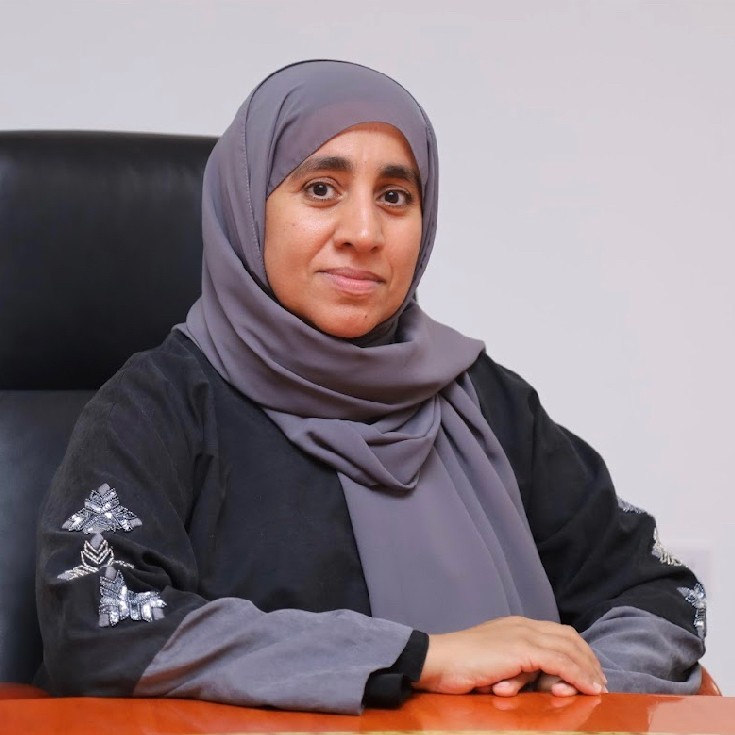
Department of Information Technology, University of Technology and Applied Sciences, Muscat, OmanArtificial intelligence; IT; Robotics
Dr. Huda Al Shuaily is a faculty member in the Department of Information Technology at the University of Technology and Applied Sciences, Muscat, Oman. Her research interests include artificial intelligence, information technology, and robotics, with a focus on developing intelligent systems and applied computing solutions. She works on integrating AI-driven approaches into practical IT and robotics-related applications.
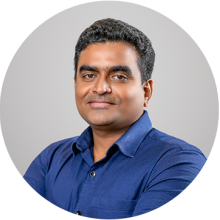
Technology Innovation Institute, Abu Dhabi, UAEBio inspired reconfigurable robot; Autonomous robotics
Dr. Karthikeyan Elangovan is a robotics researcher at the Technology Innovation Institute (TII), Abu Dhabi, UAE. His work focuses on bio-inspired and reconfigurable robotic systems, with an emphasis on autonomous locomotion and adaptive mobility. He has contributed to the development of multi-modal robots capable of switching between different movement modes, such as crawling and rolling, inspired by biological systems. His research interests include autonomous robotics, bio-inspired design, and intelligent robotic mechanisms for complex environments.
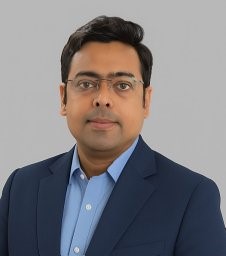
Department of Mechanical & Aerospace Engineering, College of Engineering, United Arab Emirates University, Al Ain, UAERobotic system design; Design innovation; Kinematics; Reconfigurable robotics
Dr Abdullah Aamir Hayat is an Assistant Professor in the Department of Mechanical and Aerospace Engineering at United Arab Emirates University (UAEU). He previously served as a Senior Research Fellow at the ROAR Lab, Singapore University of Technology and Design (SUTD). He received his PhD from the Indian Institute of Technology Delhi (IITD), where his research focused on the experimental identification of kinematic and dynamic parameters of industrial robots.
Dr Hayat has authored the book "Vision-Based Identification and Force Control of Industrial Robots," published by Springer, and has contributed to over 50 scientific publications. He holds several design patents in the field of robotics. His work has been recognized with five best paper awards, including the prestigious ASME Journal of Mechanical Design (JMD) Editor's Choice Award for his lead-authored paper “Reconfigurable Robotic System Design With Application to Cleaning and Maintenance.” Additionally, Dr. Hayat was honored with the Singapore Good Design (SG Mark) Award for innovation in robotic system design. His expertise spans robotics, reconfigurable systems, design science, and machine learning applications in engineering.

Department of Architecture, Kyung Hee University, Yongin, South KoreaBIM; DfMA; MiC; Robot-adaptive building
Dr. Kyung-Eun Hwang is an architect and researcher in the Department of Architecture at Kyung Hee University, South Korea. She holds a Ph.D. from Kyung Hee University and a Master of Architecture from the Illinois Institute of Technology, USA. She is a licensed architect in both the United States (AIA, NCARB certified) and South Korea (KIRA), and a LEED Accredited Professional. Her research focuses on the integration of architecture and advanced digital technologies, including Building Information Modeling (BIM), Design for Manufacturing and Assembly (DfMA), and Modern Methods of Construction (MiC). She also works on robot-adaptive and human-centered modular building systems, circular economy strategies, and the application of emerging technologies such as AI, cloud computing, and blockchain in smart buildings and smart city development.
Department of Robotics and Mechatronics, Tokyo Denki University, Tokyo 120-8551, Japan
Masami Iwase received his doctoral degree in Control Engineering from the Graduate School of Science and Engineering at Tokyo Institute of Technology in 2001. The same year, he joined the Department of Information Systems Engineering, Faculty of Science and Engineering at Tokyo Denki University as an assistant. He was promoted to lecturer in 2004, associate professor in the Department of Robotics and Mechatronics, School of Science and Technology for Future Life in 2007, and full professor in 2018, a current position. From 2008 to 2009, he was a visiting researcher at the University of California, Berkeley. His research interests include the application of control engineering to robotics and mechatronic systems. He has received several awards, including the Research Award and Outstanding Presentation Award from the Japan Society for Simulation Technology. He is a member of IEEE, ASME, SICE, the Institute of Electrical Engineers of Japan, the Japan Society for Simulation Technology, the Robotics Society of Japan, and other professional organizations.

Department of Electrical Engineering, University of Moratuwa, Moratuwa 10400, Sri LankaArtificial intelligence (AI) techniques; AI applications in electrical engineering; Human-robot interaction; Human-friendly robotics; Machine learning; Intelligent systems
Dr. A.G. Buddhika P. Jayasekara is a senior lecturer in the Department of Electrical Engineering who obtained the B.Sc. Engineering and M.Sc. degrees in electrical engineering from university of Moratuwa respectively in 2004 and 2006. He received the Japanese government Monbukagakusho scholarship to pursue postgraduate studies in Japan. Dr. Jayasekara completed his doctoral degree in robotics and intelligent systems in Saga University, Japan. He joined the Department of Electrical Engineering, University of Moratuwa after completing his doctoral studies in 2010.
His main research interests are artificial intelligence techniques, human-robot interaction, human-friendly robotics, machine learning and intelligent systems. He is a member of Institute of Electrical and Electronics Engineers (IEEE) and associate member of Institution of Engineers, Sri Lanka (IESL).
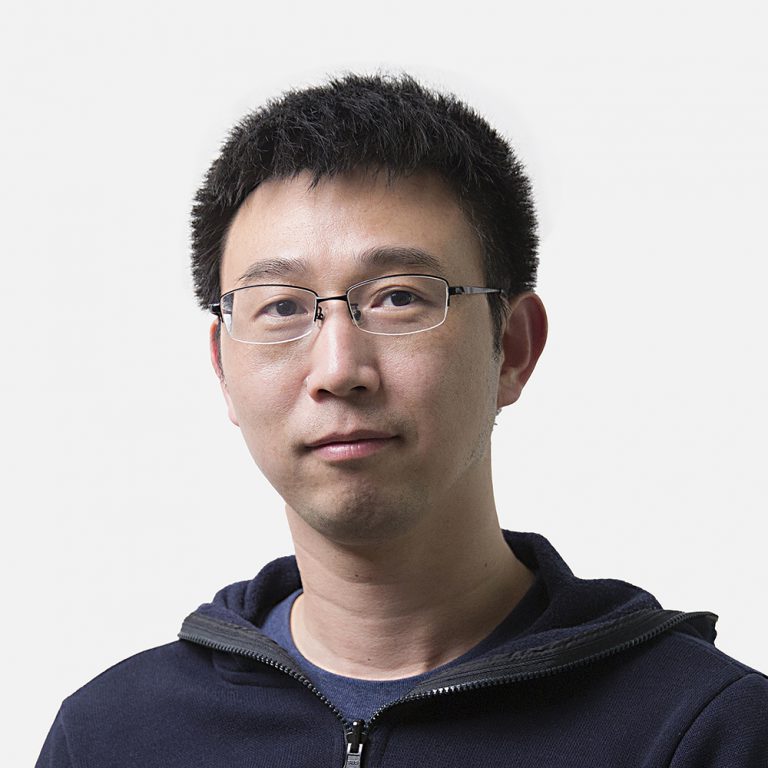
International Design Institute, Zhejiangl University, Hangzhou, ChinaDesign research; Industrial design; Human-computer interaction
Dr. Hao Jiang is a lecturer in International Design Institute. He used to work in National University of Singapore and George Mason University of America. His major research area includes Design Cognition, Product Design and evaluation, Products design on the disabled and old man. He is the author and co-author of 14 international and national refereed articles and holds 11 innovation patents. Dr. Hao Jiang concentrates more about the integration about design and business opportunities, and he has won prizes in International Business Plan Competition four times.

School of Electrical Engineering, Engineering Institute of Technology (EIT), Melbourne, AustraliaIndustrial automation; AI-enhanced robotics; Multi-agent systems; Collaborative AI; Smart grids
Dr. Maryam Kouzehgar is a Lecturer with Engineering Institute of Technology (EIT), Melbourne Campus where she is actively collaborating with the School of Electrical Eng. and the School of Industrial Automation Eng.
Dr. Kouzehgar holds B. Sc., M. Sc., and Ph. D .degrees in Electrical Engineering (Control Systems) completing her PhD in 2015. She has over 15 years of academic experience in Australia and overseas, spanning teaching, research, postgraduate supervision, and curriculum development leadership.
Prior to joining EIT, she was a Senior Post-Doctoral Research Fellow at Singapore University of Technology and Design (SUTD), affiliated with SUTD–MIT International Design Center, where her work focused on intelligent systems, learning-based control, and AI-enhanced collaborative robotics.
At EIT, Dr. Kouzehgar is actively involved in course development initiatives, contributing as a member of Course Advisory Committees across Electrical, Automation, Computer Systems and Robotics programs to support interdisciplinary and industry-oriented curriculum. She also contributes to assessment moderation, accreditation-driven curriculum mapping, and doctoral and research proposal review panels. Her academic practice is driven by a commitment to high-quality engineering education, relevance to industry, and continuous improvement.
With regards to teaching, she mainly handles topics on control systems, robotics, smart grids, power electronics, industrial automation, and intelligent engineering systems, with a strong emphasis on applied learning and professional practice. Apart from teaching she is supervising Masters and Doctor of Engineering (DEng) students at EIT. Her research interests include control engineering, robotics, machine learning, multi-agent coordination, and smart grid technologies, with a focus on developing robust and adaptive solutions for complex engineering systems.
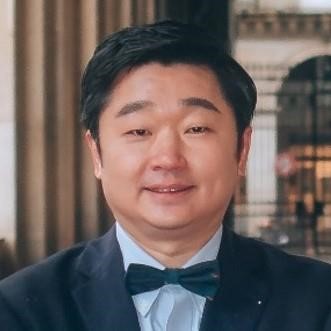
Department of Systems Engineering, City University of Hong Kong, Hong Kong, ChinaDesign science; AI for design; AI-driven innovation; Intelligent system design; Flying car innovation; Entrepreneurship; Innovation policy
Jianxi Luo is a Professor of Systems Engineering at City University of Hong Kong. He holds a PhD in Engineering Systems and an MS in Technology Policy from MIT, plus an MS in Automotive Engineering and a BE in Thermal Engineering from Tsinghua University. Prof. Luo is Editor-in-Chief of Research in Engineering Design and the author of Design Science: Driving Innovation with Unified Principles. He is ranked No.1 in East Asia and 17th globally in the field of Design Practice and Management in Stanford‘s list of top 2% scientists. At CityUHK, he founded the Master of Science in AI-Driven Innovation.
Luo’s current research focuses on design theory and methodology, specializing in generative AI for engineering design. He was best known for his contributions to establishing the Data-Driven Innovation (DDI) paradigm, including its foundational theories, methods, and tools, for which he was named a G20 Professor. Luo’s work has yielded several industry-adopted AI-for-design tools, alongside 170+ publications, 130+ invited talks, and 20+ international awards from organizations such as ASME, INFORMS, Design Society, and Complex Systems Society. His broader interests encompass design science, complex systems, artificial intelligence, entrepreneurship, leadership, and innovation policy. Luo served as the Chair of INFORMS Technology Innovation Management & Entrepreneurship Section and as an executive committee member of the Council of Engineering Systems Universities in the USA.
Previously, he was Director of the Data-Driven Innovation Lab at Singapore University of Technology and Design (SUTD), Principal Investigator at the SUTD-MIT International Design Centre, and Director of the SUTD Technology Entrepreneurship Programme. He also served as an adjunct faculty member at Schwarzman College of Tsinghua University, a full-time faculty member at New York University, a visiting scholar at Cambridge University and Columbia University. Luo has collaborated with organizations such as World Economic Forum, Environmental Defense Fund, Asian Development Bank, and Toyota USA.

Department of Electronics and Communication, Amrita Vishwa Vidyapeetham, Amritapuri, IndiaRobotics and automation; Intelligent transportation systems; VLSI & embedded systems; Assistive technologies
Dr. Rajesh Kannan Megalingam is an electronics engineer leading research on humanitarian technologies with special emphasis on Robotics at HuT (Humanitarian Technology) Labs and Professor at ECE Department. He completed his undergraduate in Engineering from College of Engineering, Anna University, Chennai in 1997 and masters and PhD at Amrita Vishwa Vidyapeetham in 2010 and 2015 respectively.
His research areas include Embedded Systems, Robotics, Semiconductors, and Healthcare. His research focuses on autonomous robots, vertical climbing robots, robots for rehabilitation, and robots and VLSI etc. He has seven and half years of work experience and more than eleven years of research experience. He has worked as VLSI Design and Verification Engineer at various companies like STMicro Electronics, Insilicon Incorporation etc. in Bay Area, California, USA, for six years before joining Amrita in 2004. Since then he has published more than 80 research papers at various international conferences, journals, and book chapters. He has four patents for his credits.
He is currently guiding two PhD students and several teams of bachelors and masters students as research assistants at HuT labs. He is also actively engaged in teaching and guiding several teams of undergraduate students in research and competitions. He is the IEEE student branch counselor which has won several national and international recognitions, awards, project funding etc. under his leadership.
He has won several awards including the Outstanding Branch Counselor and Advisor award from IEEE, NJ, USA, Outstanding Branch Counselor Award from IEEE Kerala Section, and the Award of Excellence from Amrita Vishwa Vidyapeetham, the highest award by the university.
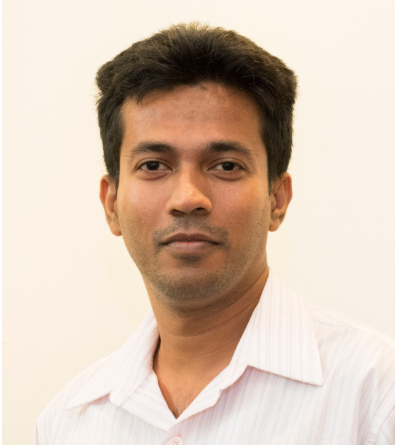
Engineering Product Development Pillar, Singapore University of Technology and Design, SingaporeReconfigurable robotics; Coverage path planning; Reconfigurable mechanisms; Human-robot interaction; Social robotics
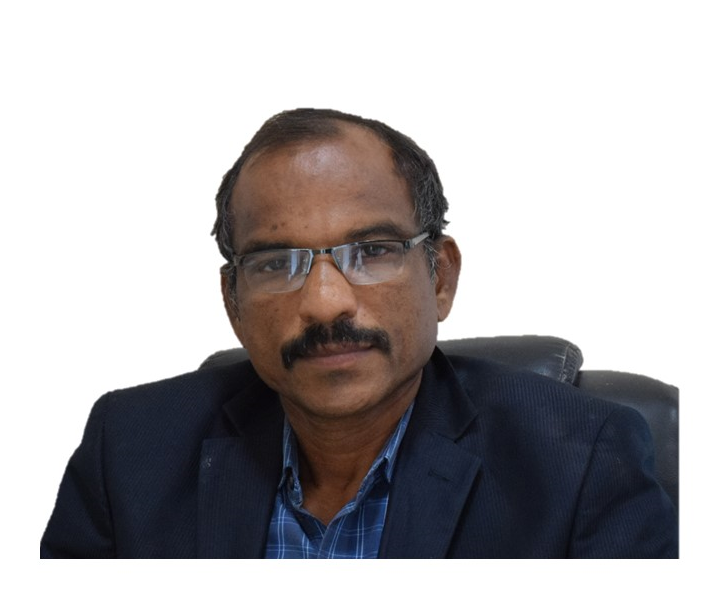
Centre for AI, IoT, and Robotics, Department of Mechanical Engineering, Indian Institute of Information Technology Design and Manufacturing Kancheepuram, Chennai, IndiaRobotics and control; Serial, parallel, and compliant mechanisms; Smart materials and smart structures; Medical devices; Fuzzy control; Biomimetics and biomechanics; AI, IoT, smart manufacturing; Digital reconstruction of heritage artifacts
Prof M Sreekumar received PhD from IIT Madras, India, in 2008 for the research work on “compliant parallel manipulator”. He is serving as Professor at the Department of Mechanical Engineering, Indian Institute of Information Technology Design and Manufacturing (IIITDM) Kancheepuram, Chennai, which is an Institute of National Importance under the Ministry of Education, Govt. of India. He has around 13 Years of experience in industry, especially in design of automation and material handling systems and around 20 Years in teaching and research. He was a Visiting Professor to the University of Genova, Italy and Ecole Centrale Nantes, France, for teaching JEMARO (Japan-European Master on Advanced Robotics) students. He has published more than 100 research papers in reputed international journals and conferences including Transactions of ASME-Journal of Mechanical Design & Journal of Manufacturing Science and Engg, Materials and Design, Smart Materials and Structures, Journal of Intelligent Manufacturing, Soft Computing, Industrial Robot, International Journal of Production Research, and International Journal of Advanced Manufacturing Technology. Successfully supervised ten PhD scholars as on date and five are ongoing. His research interests include AI and robotics, smart materials and structures, serial, parallel & compliant mechanisms, swarm & medical robotics, smart manufacturing, digital reconstruction of heritage artifacts, fuzzy control, industry 4.0, and quantum robotics. He is an active member of various professional organizations including IEEE and ISTE.
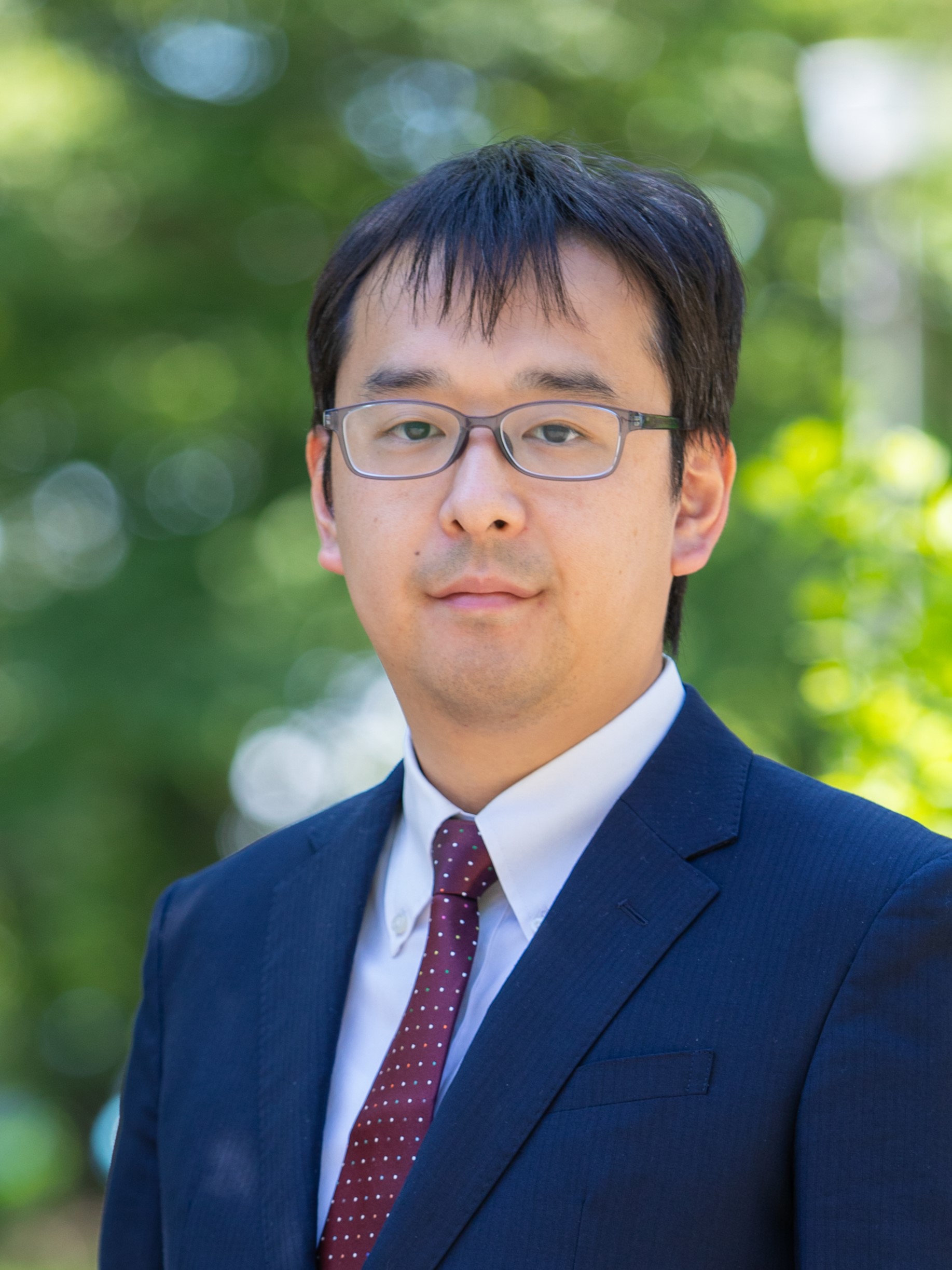
Faculty of Informatics and Data Science, Akita University, Akita 010-8502, JapanRobotics and mechatronics; Control engineering
Dr. Shunsuke Nansai is a faculty member at the Faculty of Informatics and Data Science, Akita University, Japan. His research interests include robotics, mechatronics, and control engineering.
His work focuses on the design and development of intelligent robotic and mechatronic systems, with emphasis on control methodologies for improving system performance and automation capabilities.
Department of Engineering and Design, School of Engineering and Informatics, University of Sussex, Brighton, UKReconfigurable robotics; Mechanism design; Bio-inspired robotic systems
Asst. Prof. Rizuwana Parween is the Module Convenor for Robot Design and Implementation, Applied Stress Analysis, Rapid Prototyping, CNC Machining, CAD, and Advanced Manufacturing, Engineering Mathematics and serves as a tutor for the Summer Internship Training Programme for ZJSU students. Prior to joining the University of Sussex, she worked as a postdoctoral researcher at the University of Sussex and the Singapore University of Technology and Design (SUTD), where she focused on reconfigurable robot design and manufacturing, as well as Continuous Variable Transmission (CVT) joint systems for nuclear robotics.
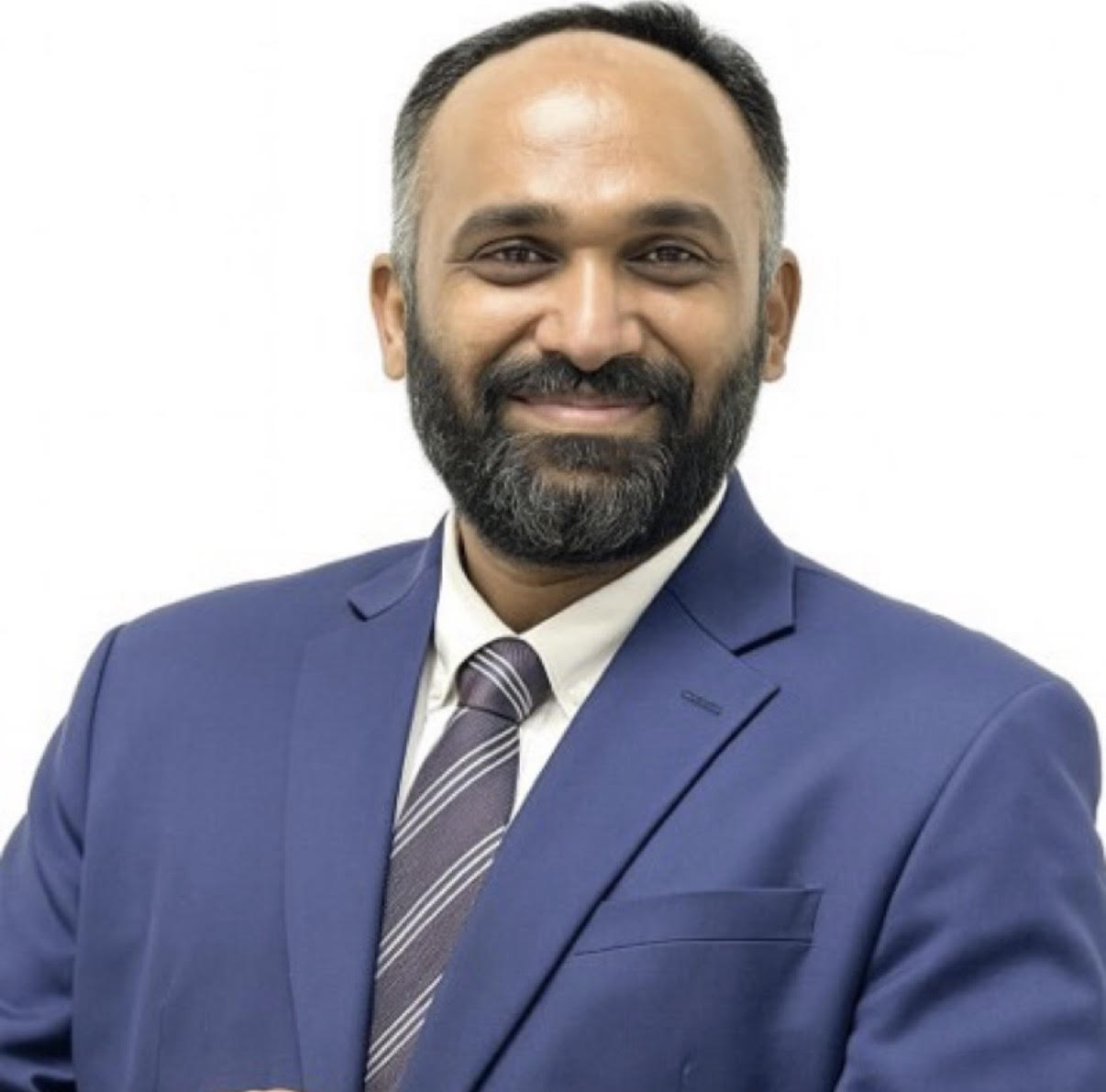
Department of Industrial Systems Engineering (ISE), School of Engineering and Technology (SET), Asian Institute of Technology (AIT), Pathum Thani, ThailandRehabilitation; Surgical robotics; Medical devices; Field robotics; AI/ Machine learning; Robot control system; Biomimetics
Dr. Branesh M. Pillai is an Assistant Professor of the Medical Engineering program in the Department of Industrial Systems Engineering at Asian Institute of Technology, Thailand. His research primarily focuses on Robot Control Systems, Surgical Robotics, Rehabilitation Robotics, Bioinspiration & Biomimetics, Artificial Intelligence, AR/VR systems, and Heterogeneous Robots.

College of Engineering/Graduate School of Engineering and Science, Shibaura Institute of Technology, Tokyo, JapanArtificial intelligence (AI); UAV; ITSA; Aerial/mobile robotics; Audio/video processing
Chinthaka Premachandra (Senior Member, IEEE) was born in Sri Lanka. He received the B.Sc. and M.Sc. degrees from Mie University, Tsu, Japan, in 2006 and 2008, respectively, and the Ph.D. degree from Nagoya University, Nagoya, Japan, in 2011. From 2012 to 2015, he was an Assistant Professor with the Department of Electrical Engineering, Faculty of Engineering, Tokyo University of Science, Tokyo, Japan. From 2016 to 2017, he was an Assistant Professor with the Department of Electronic Engineering, School of Engineering, Shibaura Institute of Technology, Tokyo, where he was an Associate Professor, from 2018 to 2022. In 2022, he was promoted to a Professor with the Department of Advance Electronic Engineering, School of Engineering and Graduate School of Engineering, Shibaura Institute of Technology, where he is currently the Director of the Image Processing and Robotic Laboratory. His research interests include AI, UAV, image processing, audio processing, intelligent transport systems (ITS), and mobile robotics.
He is a member of IEEE, IEICE, Japan; SICE, Japan; RSJ, Japan; and SOFT, Japan. He has received many awards, including the IEEE SENSORS LETTERS Best Paper Award from the IEEE Sensors Council in 2022 and the IEEE Japan Medal from the IEEE Tokyo Section in 2022. He also received the FIT Best Paper Award and the FIT Young Researchers Award from IEICE and IPSJ, Japan, in 2009 and 2010, respectively. He has served as a steering committee member and an editor for many international conferences and journals. He is the Founding Chair of the International Conference on Image Processing and Robotics (ICIPRoB), which is technically co-sponsored by IEEE. He is currently serving as an Associate Editor for IEEE Robotics and Automation Letters (R-AL) and Guest Editor for IEEE Sensors Journal.
Louisville Automation Research and Robotics Institute (LARRI), University of Louisville, Louisville, KY 40208, USARobotics; Human-machine collaboration; Control systems; Data-driven modeling; Constrained systems; Affective computing
Dr. Madan Mohan Rayguru is a faculty member in the College of Business, where he teaches courses including Business Statistics, Python Programming, R Programming, and Advanced Analytical Tools. He holds a Ph.D. in Electrical Engineering from the Indian Institute of Technology Delhi. Since 2023, Dr. Rayguru has also been an affiliated faculty member with the Next Generation Research Group at the Louisville Autonomous Robotics Research Institute (LARRI), where his research focuses on advanced AI techniques such as reinforcement learning and transformers for human-robot interaction. His work particularly supports assistive applications for autistic children and elderly healthcare. He previously served as a Senior Research Fellow at the ROAR Lab, Singapore University of Technology & Design, working on autonomy in self-reconfigurable robots, and later as an Assistant Professor at Delhi Technological University until 2022. Dr. Rayguru’s research interests include data-driven modeling, constrained systems, and affective computing. He also serves as an editor for several international journals, including IEEE Ubiquitous Robots, Frontiers in Robotics & AI, and MDPI Sensors. He is deeply committed to using AI to improve lives and create a lasting impact in business, healthcare, and society.

Engineering Product Development Pillar, Singapore University of Technology and Design, SingaporeReconfigurable robotics; Coverage path planning; Human robot interaction; Cleaning robots
Bhagya Samarakoon is a researcher in the Engineering Product Development program at Singapore University of Technology and Design, where she also received her Ph.D. in 2022. Her research interests are reconfigurable robotics, artificial intelligence, cleaning robotics, human-robot interaction, and service robotics. Samarakoon was a recipient of several international awards, such as IDA International Design Awards in 2022, the Nanjing City Prize in IEEE Ro-Man 2018, and runner-up in Mini Drone Competition at IEEE/RSJ IROS 2018. She has been the vice chair of the IEEE Women in Engineering (WIE), Singapore Section, since 2023.
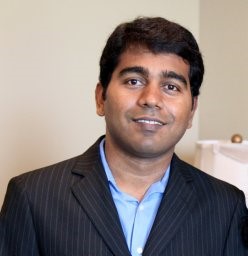
Department of Biosystems Engineering, The University of Tennessee, Knoxville, TN, USAPrecision agriculture; UAV sensing; Environmental & wildlife monitoring; AI-driven data analysis
Dr. Sathishkumar (Sathish) Samiappan is currently an Associate Professor in the Department of Biosystems Engineering at The University of Tennessee at Knoxville, a position he started in January 2025. Prior to this, he held positions at Mississippi State University (MSU), progressing from Postdoctoral Associate to Assistant Research Professor, and finally Associate Research Professor at the Geosystems Research Institute between October 2014 and October 2024.
Originally from South India, Dr. Samiappan earned his Bachelor of Engineering in Electronics and Communication Engineering from Bharathiar University and a Master of Science in Computer Science and Engineering from Amrita University, where he subsequently worked as a Lecturer for three years. He later pursued and completed his Ph.D. in Electrical and Computer Engineering with a minor in Computer Science at Mississippi State University in August 2014.
Dr. Samiappan's research focuses on leveraging small unmanned aerial systems (drones) combined with commercial multispectral, hyperspectral, and thermal sensors. He explores their applications in Precision Agriculture, forestry, wildlife monitoring, and environmental science, particularly utilizing advanced techniques like machine learning and AI for data analysis. His work has included projects on detecting microplastics in poultry, mapping invasive aquatic plants, quantifying wildlife damage, monitoring wildlife near airports, and assessing crop health and stress. He has been the Principal Investigator or Co-Principal Investigator on numerous funded projects from agencies like the USDA and The U.S. Army Engineer Research and Development Center.
A dedicated contributor to the scientific community, Dr. Samiappan is a Life Member of IETE and a member of IEEE, including the Eta Kappa Nu (HKN) International Honor Society.
Throughout his career, Dr. Samiappan has maintained a strong commitment to teaching. At MSU, he taught courses including Introduction to Electric Circuits and Signals & Systems. During his time at Amrita University (2006-2009), his teaching portfolio included Digital Signal Processing, Analog and Digital Communication, and Digital Image Processing. He has mentored numerous undergraduate and graduate students, including Ph.D. candidates.
Driven by a passion for understanding ecosystem services and agricultural systems through advanced remote sensing technologies, Dr. Samiappan continues to build on his extensive experience in cutting-edge research and teaching.

School of Computing Engineering and Technology, Asia Pacific University of Technology & Innovation (APU), Kuala Lumpur, MalaysiaWireless sensor networks; Artificial intelligence; Machine learning; Instrumentation
Dr. Adeline Sneha is a researcher and senior lecturer at the Asia Pacific University of Technology and Innovation (APU), Malaysia. She also serves as a visiting professor at the Center for Research and Development, Sri Eshwar College of Engineering, India.
Her research focuses on artificial intelligence and urban farming, with an emphasis on integrating intelligent systems into sustainable agricultural practices and urban food production. Her work explores the application of AI-driven approaches to improve efficiency, sustainability, and resilience in urban agricultural environments.
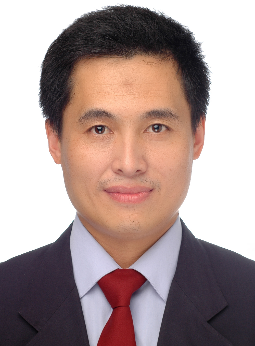
SJTU Student Innovation Center, Shanghai Jiao Tong University, Shanghai 200240, ChinaSpecialized robots; Motion control systems; Embedded system design
Dr. Libo Song is a researcher at the SJTU Student Innovation Center, Shanghai Jiao Tong University, China. His research focuses on specialized robotic systems, motion control technologies, and embedded system design. He works on the development and optimization of intelligent robotic platforms, with an emphasis on control algorithms and hardware–software integration for real-world robotic applications.

School of Computer Science and Engineering, Sun Yat-sen University, Guangzhou, ChinaRobotics (Intelligent robots, Intelligent control, Medical robotics, Multi-robot cooperation, Bio-inspired robotics); Artificial intelligence (Embodied AI, ML/DL, Multimodal large models, World models, Brain-inspired computing, Machine vision)
Prof. Tan Ning is a Professor at Sun Yat-sen University (SYSU), China. He obtained his PhD training at CNRS FEMTO-ST Institute and Université Marie et Louis Pasteur in France, where he worked as a PhD candidate and research associate. He has held research and academic positions at the National University of Singapore (NUS) and the Singapore University of Technology and Design (SUTD), and has been serving at SYSU since 2018, where he was promoted from Associate Professor to Professor in 2026.
His research interests include robotics and artificial intelligence, with a focus on intelligent robots, intelligent control, medical robotics, multi-robot cooperation, and bio-inspired robotics. He also works on embodied AI, machine learning and deep learning, multimodal large models, world models, brain-inspired computing, and machine vision.
He has received multiple international recognitions, including Best Paper Awards and nominations from leading conferences in robotics and intelligent systems, and has been listed among the World’s Top 2% Scientists. His research contributions span both theoretical advances and practical applications in robotics and AI systems.
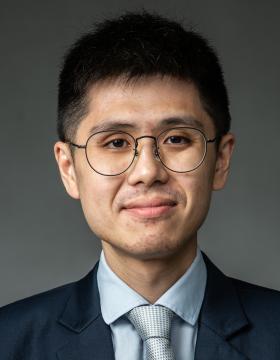
Infocomm Technology Cluster, Singapore Institute of Technology, Singapore
Dr Ernest Tan currently serves in the Infocomm Technology Cluster at the Singapore Institute of Technology (SIT), with research interests in edge intelligence for real-time artificial intelligence (AI) services in Internet of Things (IoT) networks. Specifically, his research interest focuses on edge caching and computation offloading for real-time AI services with the aim of overcoming the computation and battery constraints of IoT devices and embodied agents.
Dr Ernest Tan graduated with a First Class Honours in Computer Engineering from Nanyang Technological University (NTU) in 2015 and earned his Ph.D. in Computer Engineering from NTU in 2020. His doctoral research was supported by the Economic Development Board’s Industrial Postgraduate Programme (IPP) in collaboration with Airbus Singapore, where he also served as a Research Engineer from 2016 to 2020.

Department of Architecture, College of Architecture, Art and Design, American University of Sharjah, Sharjah, UAELightweight structures; Biomaterials; Parametric design
Kenneth Tracy is an Associate Professor in Architecture at American University of Sharjah where he teaches design courses. His research collaborations combine work in material science, computation, engineering and craftsmanship to investigate how performance-based design can inform the built environment. Expertise in digital fabrication and digital design link Kenneth’s teaching to his research and practice. Previously Tracy taught at Singapore University of Technology and Design (SUTD), Pratt Institute, Columbia University, the New Jersey Institute of Technology, and at Washington University. Tracy has lectured about his work at Columbia University, the University of Minnesota, and the University of Texas at Arlington.

Information Systems in the Built Environment (ISBE), Eindhoven University of Technology, 5600 Eindhoven, The NetherlandsAI; Big data; Digital twins; Evidence based design; Urban science
Prof. Dr. Bige Tunçer’s research addresses the complex interplay between the spatial morphology and physical attributes of urban and architectural environments, the ways these spaces are used and experienced, and users’ perception, behavior, and appreciation over time. Her work investigates how design decisions shape social, environmental, and economic outcomes in cities, and how these relationships can be made explicit, measurable, and actionable.
The overarching goal of her research is to develop AI-enabled, data-driven methodologies and decision-support systems that translate heterogeneous data; ranging from spatial, environmental, and sensor data to citizen participation and human-centric data; into meaningful knowledge for early-stage design, planning, and policymaking. These methods support designers, planners, engineers, policy makers, and other stakeholders in navigating complexity, uncertainty, and competing objectives in the built environment.
Her chair’s research focuses on data collection and sensing, information and knowledge modelling, and advanced visualization and interaction techniques to support informed architectural and urban design. Key application domains include urban vitality and walkability, energy transition and positive energy districts, urban resilience and climate adaptation, digital construction and linked data ecosystems, citizen participation and post-participation analysis, and nature-based solutions. Across these domains, the research emphasizes early design support, parametric and computational approaches, and the integration of human and machine intelligence in collaborative design and decision-making processes.
Prof. Dr. Tunçer is an established leader in the field of evidence based design and urban science. She leads and participates in various large multi-disciplinary research grants in evidence informed design and planning, IoT, urban science, AI, big data, and digital twins. She has often been invited to conferences and workshops in academia, government agencies, and industry as a keynote speaker, and sits on academic, government, and industry panels and boards. She has numerous publications in influential academic journals and proceedings, and these have been cited widely in the academic community. Her work has been exhibited at international exhibitions and has won awards.

Department of Computer Science and Information Systems, University of the West, California, USARobotics and autonomous systems; Reconfigurable mechanisms; Robot dynamics
Dr. Manuel Vega-Heredia is a faculty member in the Department of Computer Science and Information Systems at the University of the West, California, USA. His research focuses on robotics and autonomous systems, with particular emphasis on reconfigurable mechanisms and robot dynamics. His work involves the design, modeling, and control of intelligent robotic systems capable of adapting their structure and motion to different tasks and environments.

School of Electronics Engineering, Kyungpook National University, Daehak-ro, 41566, Buk-gu, Daegu, South KoreaControl systems; Sliding mode; Robotics; Brain signal analysis; EEG
Kalyana C. Veluvolu is a University Distinguished Professor (Professor II) and Full Professor at the College of IT Engineering, Kyungpook National University, South Korea. He received his B.Tech in Electrical and Electronic Engineering from Nagarjuna University, India, and his Ph.D. in Electrical Engineering from Nanyang Technological University, Singapore. He previously served as a Research Fellow at NTU’s Robotics Research Center and has held visiting positions at the University of Newcastle (UK), University of Valenciennes (France), NTU etc. His research focuses on intelligent systems, smart medical robotics, autonomous systems, and EEG-based brain–computer interface technologies. He has led numerous government- and industry-funded projects totaling over 6 million USD. Dr. Veluvolu received the 2021 KNU Academic Lifetime Award, the 2019 Ministry of Education Excellent Research Award, and the Best Teaching Award, and he is recognized among the Stanford World’s Top 2% Scientists for several years. He is a Senior Member of IEEE and serves as Associate Editor for several reputed international journals.
Advanced Intelligent Technology Research Group, Faculty of Electrical and Electronics Engineering, Ton Duc Thang University, Ho Chi Minh City, VietnamReconfigurable robotics; Computer vision; Digital image processing; 3D video processing; Robotic perception
Dr. Le Anh Vu is a Lecturer in the Department of Electronics and Telecommunications Engineering at Ton Duc Thang University, Vietnam. He holds a Ph.D. and M.Sc. in Signal Processing and Multimedia, and a B.Eng. in Electronics and Telecommunications.
His professional experience includes research and academic positions in South Korea and Singapore. He worked as a Ph.D. candidate in South Korea, followed by a postdoctoral research position at the Korea Institute of Science and Technology (KIST). He later served as a Postdoctoral Researcher at the ROAR Lab, Singapore University of Technology and Design (SUTD), before joining Ton Duc Thang University in 2016.
His research interests include robot vision and automation, with a focus on signal processing-based methods for intelligent robotic perception and control systems.
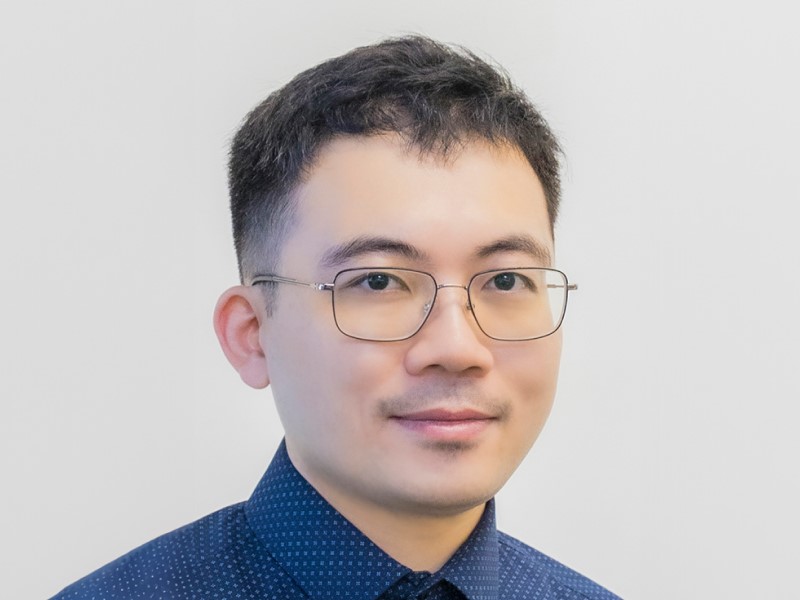
School of Industrial Design, Georgia Institute of Technology, Atlanta, GA 30332, USAArchitectural robotics; HRI/HAI; Continuum robotics, Robotic environment
Dr. Yixiao Wang is an Assistant Professor in the School of Industrial Design at Georgia Institute of Technology. As an interaction design researcher, his primary focus is on making built environments socially intelligent and interactive. Dr. Wang leads the Robotic Environment Lab, where he explores how robotic environments can shape our everyday lives both physically and socially through interactivity and adaptivity. His vision is to transform homes, offices, classrooms, public spaces, and even natural environments into socially intelligent "Space Agents" that can function as friends, partners, companions, or caregivers.
Dr. Wang's expertise lies in human-centered design, engineering, and evaluation of smart machines at various scales, both spatial and non-spatial. His research investigates how socially expressive smart machines, seemingly imbued with emotions, personalities, and social roles, can improve and empower our daily experiences. Through his work, Dr. Wang aims to push the boundaries of how we interact with our surroundings, envisioning a future where our environments are not just spaces, but active, socially intelligent participants in our lives.

School of College of Engineering, Design and Computing, University of Colorado Denver, CO 80204, USADesign innovation; Artificial intelligence in design; Computational design; Robotics and autonomous systems; Data-driven product development
Dr. Kristin L. Wood completed his M.S. and Ph.D. degrees in the Division of Engineering and Applied Science at the California Institute of Technology (Caltech), where he was an AT&T Bell Laboratories Ph.D. Scholar. Dr. Wood joined the faculty at the University of Texas in September 1989 and established a computational and experimental laboratory for research in engineering design and manufacturing, in addition to a teaching laboratory for prototyping, reverse engineering measurements, and testing. During the 1997-98 academic year, Dr. Wood was a Distinguished Visiting Professor at the United States Air Force Academy. Through 2011, Dr. Wood was a Professor of Mechanical Engineering, Design & Manufacturing Division at The University of Texas at Austin. He was a National Science Foundation Young Investigator, the Cullen Trust for Higher Education Endowed Professor in Engineering, University Distinguished Teaching Professor, and the Director of the Manufacturing and Design Laboratory (MaDLab) and MORPH Laboratory. After UT Austin, Dr. Wood helped establish the fourth national university of Singapore, SUTD, as the Associate Provost for Graduate Studies, a Professor of Engineering and Product Development (EPD, epd.sutd.edu.sg), founding EPD Head of Pillar, and Director of the SUTD-MIT International Design Center (IDC, idc.sutd.edu.sg) at the Singapore University of Technology and Design (SUTD, sutd.edu.sg). Dr. Wood has published more than 600 refereed articles and books, has received more than 120 national and international awards in design, research, and education, consulted with more than 100 companies (MNCs, SMEs, and startups) and government organizations on Design Innovation and Design Thinking, a Fellow of the American Society of Mechanical Engineers (ASME), and a Board Member of the Design Science Journal.