
Medicinal plants commonly used in Africa with neuroprotective potential in Alzheimer’s disease: Mechanisms and translational relevance

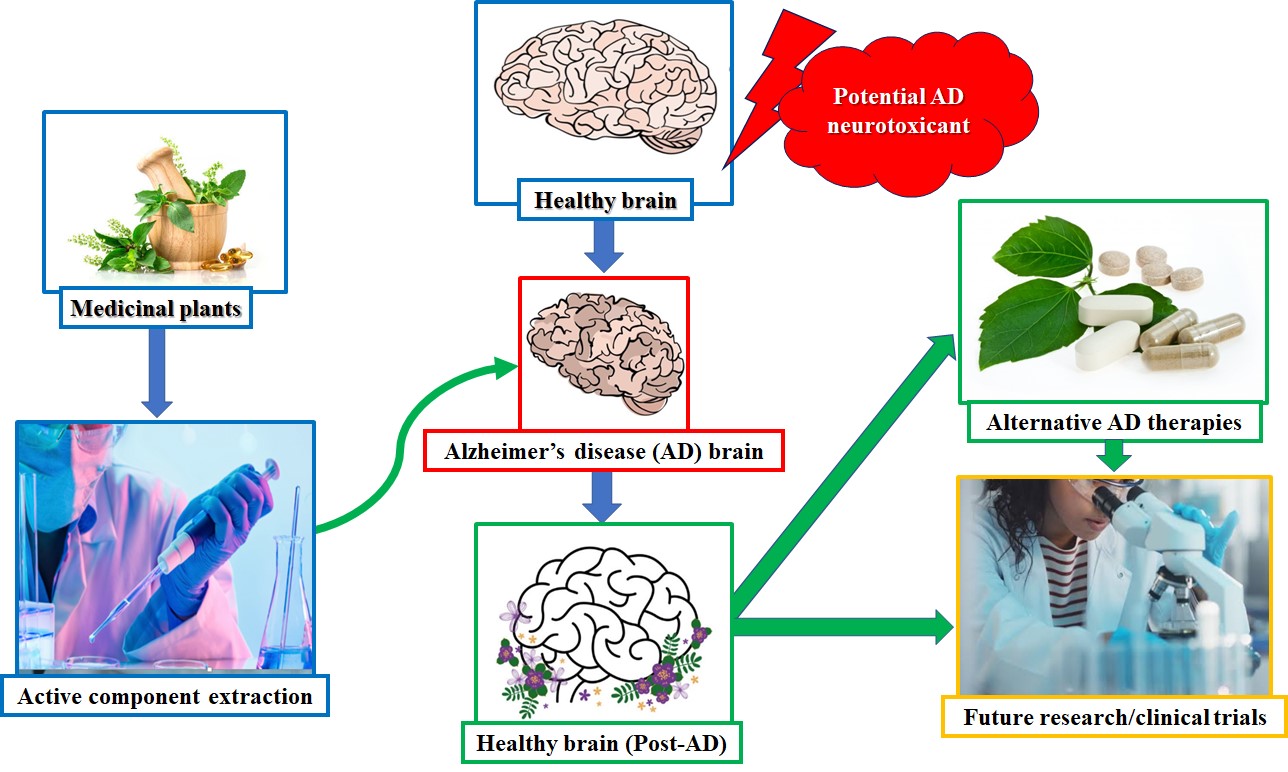
Alzheimer’s disease (AD) is a prevalent neurodegenerative disorder, and currently available pharmacological interventions provide only limited symptomatic relief and do not halt disease progression, emphasizing the need for alternative therapeutics. Herbal medicine, particularly from regions rich in plant biodiversity such as Africa, is gaining attention for its cognitive-enhancing and neuroprotective potential. This study reviews the potential benefits of common medicinal plants used in Africa for the treatment of AD, their traditional uses, phytochemical properties, and mechanisms of action reported in pre-clinical/clinical studies. A comprehensive search targeting 19 medicinal plant species with potential benefits for AD treatment was conducted across PubMed, Google Scholar, and African Journals Online up to 2025 using specific keywords related to African medicinal plants and AD. This review focused on medicinal plants utilized in African herbal medicine. However, some species included in this review are non-native but have been introduced, cultivated, and integrated into local herbal practices in Africa. Plants such as Persea americana, Cuminum cyminum, Huperzia serrata, and Astragalus membranaceus exhibit antioxidant, anti-inflammatory, and anticholinesterase activities, modulating major AD pathological processes, such as amyloid-beta aggregation, oxidative stress, and cholinergic dysfunction. Preclinical evidence suggests neuroprotective effects in animal models, while clinical data, though limited, show cognitive benefits. Regulatory challenges and the lack of standardization in the development and dosing of herbal extracts remain significant barriers to the clinical translation of African herbal medicine. Hence, further research and clinical validation, alongside the development of regulatory frameworks and standardization protocols, are needed to bridge the gap between traditional knowledge and evidence-based medicine and to develop effective, accessible, and sustainable AD treatment options.
- Alzheimer’s Disease International. Dementia Facts and Figures. London: Alzheimer’s Disease International. Available from: https://www.alzint.org/about/dementia-facts-figures [Last accessed on 2025 Sep 14].
- Selkoe, DJ, Hardy J. The amyloid hypothesis of Alzheimer’s disease at 25 years. EMBO Mol Med. 2016;8(6):595-608. doi: 10.15252/emmm.201606210
- Rajmohan R, Reddy PH. Amyloid-beta and phosphorylated tau accumulations cause abnormalities at synapses of Alzheimer’s disease neurons. J Alzheimers Dis. 2017;57(4):975-999. doi: 10.3233/JAD-160612
- Surguchov A, Emamzadeh FN, Titova M, Surguchev AA. Controversial properties of amyloidogenic proteins and peptides: New data in the COVID era. Biomedicines. 2023;11(4):1215. doi: 10.3390/biomedicines11041215
- Raskind MA, Peskind ER, Wessel T, Yuan W. Galantamine in AD: A 6-month randomized, placebo-controlled trial with a 6-month extension. The Galantamine USA-1 Study Group. Neurology. 2000;54(12):2261-2268. doi: 10.1212/wnl.54.12.2261
- Reisberg B, Doody R, Stöffler A, et al. Memantine in moderate-to-severe Alzheimer’s disease. N Engl J Med. 2003;348(14):1333-1341. doi: 10.1056/NEJMoa013128
- Loy C, Schneider L. Galantamine for Alzheimer’s disease and mild cognitive impairment. Cochrane Database Syst Rev. 2006;2006(1):CD001747. doi: 10.1002/14651858.CD001747.pub3
- Sevigny J, Chiao P, Bussière T, et al. The antibody aducanumab reduces Aβ plaques in Alzheimer’s disease. Nature. 2016;537(7618):50-56. doi: 10.1038/nature19323. Update in: Nature. 2017;546(7659):564. doi: 10.1038/nature22809
- Birks JS, Harvey RJ. Donepezil for dementia due to Alzheimer’s disease. Cochrane Database Syst Rev. 2018;6(6):CD001190. doi: 10.1002/14651858.CD001190.pub3
- Marasco RA. Current and evolving treatment strategies for the Alzheimer disease continuum. Am J Manag Care. 2020;26(8 Suppl):S167-S176. doi: 10.37765/ajmc.2020.88481
- National Institute for Health and Care Excellence (NICE). Dementia: Assessment, Management and Support for People Living with Dementia and their Carers. Cholinesterase Inhibitors and Memantine for Dementia. London: NICE. (NICE Guideline, No. 97.) 11; 2018. Available from: https:// www.ncbi.nlm.nih.gov/books/NBK536484 [Last accessed on 2025 Nov 27].
- Institute for Quality and Efficiency in Health Care (IQWiG). Alzheimer’s Disease: Research Summaries - How Effective are Cholinesterase Inhibitors? Cologne, Germany: IQWiG; 2006. Available from: https://www.ncbi.nlm.nih.gov/books/ NBK279358 [Last accessed on 2025 Nov 27].
- Ströhle A, Schmidt DK, Schultz F, et al. Drug and exercise treatment of Alzheimer disease and mild cognitive impairment: A systematic review and meta-analysis of effects on cognition in randomized controlled trials. Am J Geriatr Psychiatry. 2015;23(12):1234-1249. doi: 10.1016/j.jagp.2015.07.007
- Nagori K, Nakhate KT, Yadav K, Ajazuddin, Pradhan M. Unlocking the therapeutic potential of medicinal plants for Alzheimer’s disease: Preclinical to clinical trial insights. Future Pharmacol. 2023;3(4):877-907. doi: 10.3390/futurepharmacol3040053
- Soheili M, Karimian M, Hamidi G, Salami M. Alzheimer’s disease treatment: The share of herbal medicines. Iran J Basic Med Sci. 2021;24(2):123-135. doi: 10.22038/IJBMS.2020.50536.11512
- Boadu AA, Asase A. Documentation of herbal medicines used for the treatment and management of human diseases by some communities in Southern Ghana. Evid Based Complement Alternat Med. 2017;2017:3043061. doi: 10.1155/2017/3043061
- Mahomoodally MF. Traditional medicines in Africa: An appraisal of ten potent African medicinal plants. Evid Based Complement Alternat Med. 2013;2013:617459. doi: 10.1155/2013/617459
- Ding H, Reiss AB, Pinkhasov A, Kasselman LJ. Plants, plants, and more plants: Plant-derived nutrients and their protective roles in cognitive function, Alzheimer’s disease, and other dementias. Medicina (Kaunas). 2022;58(8):1025. doi: 10.3390/medicina58081025
- Bordoloi S, Pathak K, Devi M, et al. Some promising medicinal plants used in Alzheimer’s disease: An ethnopharmacological perspective. Discov Appl Sci. 2024;6:215. doi: 10.1007/s42452-024-05811-7
- Shoaib S, Ansari MA, Fatease AA, et al. Plant-derived bioactive compounds in the management of neurodegenerative disorders: Challenges, future directions and molecular mechanisms involved in neuroprotection. Pharmaceutics. 2023;15(3):749. doi: 10.3390/pharmaceutics15030749
- Chaachouay N, Zidane L. Plant-derived natural products: A source for drug discovery and development. Drugs Drug Candidates. 2024;3(1):184-207. doi: 10.3390/ddc3010011
- Kpemissi M, Kantati YT, Veerapur VP, Eklu-Gadegbeku K, Hassan Z. Anti-cholinesterase, anti-inflammatory and antioxidant properties of Combretum micranthum G. Don: Potential implications in neurodegenerative disease. IBRO Neurosci Rep. 2022;14:21-27. doi: 10.1016/j.ibneur.2022.12.001
- Pilipović K, Jurišić Grubešić R, Dolenec P, Kučić N, Juretić L, Mršić-Pelčić J. Plant-based antioxidants for prevention and treatment of neurodegenerative diseases: Phytotherapeutic potential of Laurus nobilis, Aronia melanocarpa, and celastrol. Antioxidants (Basel). 2023;12(3):746. doi: 10.3390/antiox12030746
- Singh SK, Srivastav S, Castellani RJ, Plascencia-Villa G, Perry G. Neuroprotective and antioxidant effect of Ginkgo biloba extract against AD and other neurological disorders. Neurotherapeutics. 2019;16(3):666-674. doi: 10.1007/s13311-019-00767-8
- Genchi G, Lauria G, Catalano A, Carocci A, Sinicropi MS. Neuroprotective effects of curcumin in neurodegenerative diseases. Foods. 2024;13(11):1774. doi: 10.3390/foods13111774
- Marra A, Manousakis V, Zervas GP, et al. Avocado and its by-products as natural sources of valuable anti-inflammatory and antioxidant bioactives for functional foods and cosmetics with health-promoting properties. Appl Sci. 2024;14(14):5978.
- Sunday CU, Ndidiamaka HO, Ugochukwu DD, Njideka IA. Phytochemical analysis and antioxidant activity of avocado pear peel (Persea americana) extract. J Pharm Res Int. 2022;34(28A):22-29.
- da Silva Bastos KV, Souza AB, Gomes RR, et al. Phytochemicals present in ethanol extract of avocado seed and its potential antioxidant effect. Curr Organocatal. 2024;11(1):71-77. doi: 10.2174/2213337210666230810094539
- Weremfo A, Adulley F, Adarkwah-Yiadom M. Simultaneous optimization of microwave-assisted extraction of phenolic compounds and antioxidant activity of avocado (Persea americana Mill.) seeds using response surface methodology. J Anal Methods Chem. 2020;2020:7541927. doi: 10.1155/2020/7541927
- Pastura DG, Sousa JD, Silva MC, et al. Persea americana Mill.: Evaluation of cytogenotoxicity and phytochemical prospection of leaf extracts. Braz J Pharm Sci. 2022;58:e19261.
- Rojas-García A, Fernández-Ochoa Á, Cádiz-Gurrea MD, Arráez-Román D, Segura-Carretero A. Neuroprotective effects of agri-food by-products rich in phenolic compounds. Nutrients. 2023;15(2):449. doi: 10.3390/nu15020449
- El-Moneam Ali AA, El-Hallouty SM, El-Desouky MA. Amelioration of Alzheimer’s disease with extracts of Punica Granatum and Persea americana in AlCl3 induced rats. Egypt J Chem. 2023;66:21-32. doi: 10.21608/ejchem.2022.122759.5503
- Ndé CM, Djiogue S, Awounfack CF. Extra-virgin avocado (Persea americana Mill., Laucaceae) oil improves cognitive impairment in D-galactose-induced Alzheimer’s disease model on ovariectomized wistar rat. Biologia. 2022;79:3287-3303. doi: 10.1007/s11756-024-01779-2
- Oboh G, Odubanjo VO, Bello F, et al. Aqueous extracts of avocado pear (Persea americana Mill.) leaves and seeds exhibit anti-cholinesterases and antioxidant activities in vitro. J Basic Clin Physiol Pharmacol. 2016;27(2):131-140. doi: 10.1515/jbcpp-2015-0049
- Deng H, Tian Z, Zhou H. Elucidating the effects of cumin (Cuminum cyminum) fruit and stem as feed additives on growth, antioxidant capacity, liver and intestinal health, and gut microbiome of Nile tilapia (Oreochromis niloticus). Aquac Rep. 2023; 31:101687. doi: 10.1016/j.aqrep.2023.101687
- Alyami MH, Alqahtani YS, Alqarni AO. Neuroprotective potentials of selected natural edible oils using enzyme inhibitory, kinetic and simulation approaches. BMC Complement Med Ther. 2021;21(1):248. doi: 10.1186/s12906-021-03420-0
- Merah O, Sayed-Ahmad B, Talou T. Biochemical composition of cumin seeds, and biorefining study. Biomolecules. 2020;10:1054. doi: 10.3390/biom10071054
- Omari Z, Kazunori S, Sabti M, et al. Dietary administration of cumin-derived cuminaldehyde induce neuroprotective and learning and memory enhancement effects to aging mice. Aging (Albany NY). 2021;13:1671-1685. doi: 10.18632/aging.202516
- Morshedi D, Aliakbari F, Tayaranian-Marvian A, Fassihi A, Pan-Montojo F, Pérez-Sánchez H. Cuminaldehyde as the major component of Cuminum cyminum, a natural aldehyde with inhibitory effect on alpha-synuclein fibrillation and cytotoxicity. J Food Sci. 2015;80:H2336-H2345. doi: 10.1111/1750-3841.13016
- Jo S, Yarishkin O, Hwang YJ, et al. GABA from reactive astrocytes impairs memory in mouse models of Alzheimer’s disease. Nat Med. 2014;20:886-896. doi: 10.1038/nm.3639
- Chowdhury S, Kumar S. Inhibition of BACE1, MAO-B, cholinesterase enzymes, and anti-amyloidogenic potential of selected natural phytoconstituents: Multi-target-directed ligand approach. J Food Biochem. 2021;45:e13571. doi: 10.1111/jfbc.13571
- Kumar S, Chowdhury S. Kinetics of acetylcholinesterase inhibition by an aqueous extract of Cuminum cyminum seeds. Int J Appl Sci Biotechnol. 2014;2(1):64-68. doi: 10.3126/ijasbt.v2i1.9348
- Manuha MI. Role of spices in neuroprotection: A review. Int J Innov Res Educ Sci. 2018;5(6):595-605.
- Koppula S, Choi DK. Cuminum cyminum extract attenuates scopolamine-induced memory loss and stress-induced urinary biochemical changes in rats: A noninvasive biochemical approach. Pharm Biol. 2011;49(7):702-708. doi: 10.3109/13880209.2010.541923
- Shukla M, Wongchitrat P, Govitrapong P. A synopsis of multitarget potential therapeutic effects of huperzine a in diverse pathologies-emphasis on Alzheimer’s disease pathogenesis. Neurochem Res. 2022;47:1166-1182. doi: 10.1007/s11064-022-03530-2
- Peng Y, Lee DY, Jiang L, Ma Z, Schachter SC, Lemere CA. Huperzine A regulates amyloid precursor protein processing via protein kinase C and mitogen-activated protein kinase pathways in neuroblastoma SK-N-SH cells over-expressing wild type human amyloid precursor protein 695. Neuroscience. 2007;150(2):386-395. doi: 10.1016/j.neuroscience.2007.09.022
- Wang R, Yan H, Tang XC. Progress in studies of huperzine A, a natural cholinesterase inhibitor from Chinese herbal medicine. Acta Pharmacol Sin. 2006;27(1):1-26. doi: 10.1111/j.1745-7254.2006.00255.x
- Gul A, Bakht J, Mehmood F. Huperzine-A response to cognitive impairment and task switching deficits in patients with Alzheimer’s disease. J Chin Med Assoc. 2019;82:40-43. doi: 10.1016/j.jcma.2018.07.004
- Xu SS, Gao ZX, Weng Z, et al. Efficacy of tablet huperzine-A on memory, cognition, and behavior in Alzheimer’s disease. Zhongguo Yao Li Xue Bao. 1995;16(5):391-395.
- Callizot N, Campanari ML, Rouvière L, et al. Huperzia serrata extract ‘NSP01’ with neuroprotective effects-potential synergies of huperzine A and polyphenol. Front Pharmacol. 2021;12:681532. doi: 10.3389/fphar.2021.681532
- Ohba T, Nakamura S, Shimazawa M, Hayashi Y, Kono H, Hara H. Protective effects of Huperzia serrata and its components against oxidative damage and cognitive dysfunction. PharmaNutrition. 2020;13:100203.
- Ren C, Zhao X, Liu K, et al. Research progress of natural medicine Astragalus mongholicus Bunge in treatment of myocardial fibrosis. J Ethnopharmacol. 2023;305:116128. doi: 10.1016/j.jep.2022.116128
- Li SG, Zhang YQ. Characterization and renal protective effect of a polysaccharide from Astragalus membranaceus. Carbohydr Polym. 2009;78(2):343-348. doi: 10.1016/j.carbpol.2009.04.013
- Shi R, He L, Hu Y, Yi N, Weng S, Cao Y. The regulatory action of Radix Astragali on M-cholinergic receptor of the brain of senile rats. J Tradit Chin Med. 2001;21(3):232-235.
- Huang YC, Tsay HJ, Lu MK, et al. Astragalus membranaceus-polysaccharides ameliorates obesity, hepatic steatosis, neuroinflammation and cognition impairment without affecting amyloid deposition in metabolically stressed APPswe/PS1dE9 mice. Int J Mol Sci. 2017;18(12):2746. doi: 10.3390/ijms18122746
- Li X, Yang S, Wang S, et al. Regulation and mechanism of Astragalus polysaccharide on ameliorating aging in Drosophila melanogaster. Int J Biol Macromol. 2023;234:123632. doi: 10.1016/j.ijbiomac.2023.123632
- Qin X, Hua J, Lin SJ, et al. Astragalus polysaccharide alleviates cognitive impairment and β-amyloid accumulation in APP/ PS1 mice via Nrf2 pathway. Biochem Biophys Res Commun. 2020;531(3):431-437. doi: 10.1016/j.bbrc.2020.07.122
- Shi Y, Ma P. Pharmacological effects of Astragalus polysaccharides in treating neurodegenerative diseases. Front Pharmacol. 2024;15:1449101. doi: 10.3389/fphar.2024.1449101
- Fei HX, Gao Y, Sun LH, Lian J, Li L. Effect of Astragalus polysaccharides on the hippocampal tissue in Alzheimer’s disease mouse. Chin J Gerontol. 2015;35(16):4426-4429. doi: 10.3969/j.issn.1005-9202
- Shi L, Yin F, Xin X, et al. Astragalus polysaccharide protects astrocytes from being infected by HSV-1 through TLR3/ NF-κB signaling pathway. Evid Based Complement Alternat Med. 2014;2014:285356. doi: 10.1155/2014/285356
- Maclennan KM, Darlington CL, Smith PF. The neuroprotective properties of Ginkgo biloba extract: A review of the literature. Exp Gerontol. 2002;37(4):345-351. doi: 10.1016/S0531-5565(01)00190-8
- Ahlemeyer B, Krieglstein J. Neuroprotective effects of Ginkgo biloba extract. Cell Mol Life Sci. 2003;60(9):1779-1792. doi: 10.1007/s00018-003-3139-x
- Weinmann S, Roll S, Schwarzbach C, Vauth C, Willich SN. Effects of Ginkgo biloba in dementia: Systematic review and meta-analysis. BMC Geriatr. 2010;10(1):14. doi: 10.1186/1471-2318-10-14
- Smith JV, Luo Y. Studies on molecular mechanisms of Ginkgo biloba extract. Appl Microbiol Biotechnol. 2004;64:465-472. doi: 10.1007/s00253-003-1527-9
- Silberstein RB, Pipingas A, Song J, Camfield DA, Nathan PJ, Stough C. Examining brain-cognition effects of ginkgo biloba extract: Brain activation in the left temporal and left prefrontal cortex in an object working memory task. Evid Based Complement Alternat Med. 2011;2011:164139. doi: 10.1155/2011/164139
- Gold PE, Cahill L, Wenk GL. Ginkgo biloba: A cognitive enhancer? Psychol Sci Public Interest. 2002;3(1):2-11. doi:10.1111/1529-1006.00006
- Darvesh AS, Carroll RT, Bishayee A, Novotny NA, Geldenhuys WJ, Van der Schyf CJ. Curcumin and neurodegenerative diseases: A perspective. Expert Opin Investig Drugs. 2012;21(8):1123-1140. doi: 10.1517/13543784.2012.693479
- Lim GP, Chu T, Yang F, Beech W, Frautschy SA, Cole GM. The curry spice curcumin reduces oxidative damage and amyloid pathology in an Alzheimer’s transgenic mouse. J Neurosci. 2001;21(21):8370-8377. doi: 10.1523/JNEUROSCI.21-21-08370.2001
- Iteire K, Uwejigho R, Okonofua G. Curcumin attenuates lipopolysaccharide-induced neuroinflammation and memory deficiency by inhibiting microglia activation in mice hippocampus. Galician Med J. 2022;29(4):E202245. doi: 10.21802/gmj.2022.4
- Aggarwal BB, Harikumar KB. Potential therapeutic effects of curcumin, the anti-inflammatory agent, against neurodegenerative, cardiovascular, pulmonary, metabolic, autoimmune and neoplastic diseases. Int J Biochem Cell Biol. 2009;41(1):40-59. doi: 10.1016/j.biocel.2008.06.010
- Yang F, Lim GP, Begum AN, et al. Curcumin inhibits formation of amyloid beta oligomers and fibrils, binds plaques, and reduces amyloid in vivo. J Biol Chem. 2005;280(7):5892-5901. doi: 10.1074/jbc.M404751200
- Jakubowski JM, Orr AA, Le DA, Tamamis P. Interactions between curcumin derivatives and amyloid-β fibrils: Insights from molecular dynamics simulations. J Chem Inform Model. 2020;60(1):289-305. doi: 10.1021/acs.jcim.9b00561
- Ma QL, Zuo X, Yang F, et al. Curcumin suppresses soluble tau dimers and corrects molecular chaperone, synaptic, and behavioral deficits in aged human tau transgenic mice. J Biol Chem. 2013;288:4056-4065. doi: 10.1074/jbc.M112.393751
- Ringman JM, Frautschy SA, Cole GM, Masterman DL, Cummings JL. A potential role of the curry spice curcumin in Alzheimer’s disease. Curr Alzheimer Res. 2005;2(2):131-136. doi: 10.2174/1567205053585882
- Zia A, Farkhondeh T, Pourbagher-Shahri AM, Samarghandian S. The role of curcumin in aging and senescence: Molecular mechanisms. Biomed Pharmacother. 2021;134:111119. doi: 10.1016/j.biopha.2020.111119
- Emami MH, Sereshki N, Malakoutikhah Z, et al. Nrf2 signaling pathway in trace metal carcinogenesis: A cross-talk between oxidative stress and angiogenesis. Comp Biochem Physiol C Toxicol Pharmacol. 2022;254:109266. doi: 10.1016/j.cbpc.2022.109266
- Cox KH, Pipingas A, Scholey AB. Investigation of the effects of solid lipid curcumin on cognition and mood in a healthy older population. J Psychopharmacol. 2015;29(5):642-651. doi: 10.1177/0269881114552744
- Fontana F, Molinaro G, Moroni S, et al. Biomimetic platele-cloaked nanoparticles for the delivery of anti-inflammatory curcumin in the treatment of atherosclerosis. Adv Healthc Mater. 2024;13:e2302074. doi: 10.1002/adhm.202302074
- Jia G, Han Y, An Y, et al. NRP-1 targeted and cargo-loaded exosomes facilitate simultaneous imaging and therapy of glioma in vitro and in vivo. Biomaterials. 2018;178:302-316. doi: 10.1016/j.biomaterials.2018.06.029
- Leyva-Gómez G, Cortés H, Magaña JJ, Leyva-García N, Quintanar-Guerrero D, Florán B. Nanoparticle technology for treatment of Parkinson’s disease: The role of surface phenomena in reaching the brain. Drug Discov Today. 2015;20:824-837. doi: 10.1016/j.drudis.2015.02.009
- Mikulska P, Malinowska M, Ignacyk M, Szustowski P, Nowak J, Pesta K. Ashwagandha (Withania somnifera)- Current Research on the Health-Promoting Activities: A Narrative Review. Pharmaceutics. 2023;15(4):1057. doi: 10.3390/pharmaceutics15041057
- Afewerky HK, Ayodeji AE, Tiamiyu BB, et al.Critical review of the Withania somnifera (L.) Dunal: Ethnobotany, pharmacological efficacy, and commercialization significance in Africa. Bull Natl Res Cent. 2021;45(1):176. doi: 10.1186/s42269-021-00635-6
- Bashir A, Nabi M, Tabassum N, Afzal S, Ayoub M. An updated review on phytochemistry and molecular targets of Withania somnifera (L.) Dunal (Ashwagandha), Front Pharmacol. 2023;14:1049334. doi: 10.3389/fphar.2023.1049334
- Alam N, Hossain M, Khalil MI, Moniruzzaman M, Sulaiman SA, Gan SH. High catechin concentrations detected in Withania somnifera (ashwagandha) by high performance liquid chromatography analysis. BMC Complement Altern Med. 2011;11:65. doi: 10.1186/1472-6882-11-65
- Choudhary D, Bhattacharya SK, Sharma S. Cognitive and motor performance enhancement by Withania somnifera in healthy adults: A pilot study. J Ethnopharmacol. 2017;194:229-236. doi: 10.1016/j.jep.2016.09.016
- Yan Z, Guo R, Gan L, et al. Withaferin a inhibits apoptosis via activated Akt-mediated inhibition of oxidative stress. Life Sci. 2018;211:91-101. doi: 10.1016/j.lfs.2018.09.020
- Guo R, Gan L, Lau WB, et al. Withaferin a prevents myocardial ischemia/reperfusion injury by upregulating AMP-activated protein kinase-dependent B-cell Lymphoma2 signaling. Circ J. 2019;83:1726-1736. doi: 10.1253/circj.CJ-18-1391
- Dubey S, Kallubai M, Subramanyam R. Improving the inhibition of β-amyloid aggregation by withanolide and withanoside derivatives. Int J Biol Macromol. 2021;173:56-65. doi: 10.1016/j.ijbiomac.2021.01.094
- Kuboyama T, Tohda C, Komatsu K. Withanoside IV and its active metabolite, sominone, attenuate Aβ(25–35)-induced neurodegeneration. Eur J Neurosci. 2006;23:1417-1426. doi: 10.1111/j.1460-9568.2006.04664.x
- Rabhi C, Arcile G, Le Goff G, Da Costa Noble C, Ouazzani J. Neuroprotective effect of CR-777, a glutathione derivative of Withaferin A, obtained through the bioconversion of Withania somnifera (L.) Dunal extract by the fungus Beauveria bassiana. Molecules. 2019;24:4599. doi: 10.3390/molecules24244599
- Mikulska P, Malinowska M, Ignacyk M, et al. Ashwagandha (Withania somnifera)-current research on the health-promoting activities: A narrative review. Pharmaceutics. 2023;15(4):1057. doi: 10.3390/pharmaceutics15041057
- Atluri VSR, Tiwari S, Rodriguez M, et al. Inhibition of Amyloid-Beta production, associated neuroinflammation, and Histone Deacetylase 2-mediated epigenetic modifications prevent neuropathology in Alzheimer’s disease in vitro model. Front Aging Neurosci. 2020;11:342. doi: 10.3389/fnagi.2019.00342
- Zeng H, Wu M, Li L. Anti-inflammatory effects of Withania somnifera on neuroinflammation and cognitive dysfunction. J Neuroimmunol. 2015;278:31-38. doi: 10.1016/j.jneuroim.2014.10.018
- Kuboyama T, Sato H, Sakamoto T. Withanolide A from Withania somnifera enhances dendritic growth in human neuroblastoma cells. Phytomedicine. 2005;12(2-3):105-108. doi: 10.1016/j.phymed.2003.12.005
- Mukherjee S, Kumar G, Patnaik R. Withanolide a penetrates brain via intra-nasal administration and exerts neuroprotection in cerebral ischemia reperfusion injury in mice. Xenobiotica. 2020;50:957-966. doi: 10.1080/00498254.2019.1709228
- Alegbeleye OO. How functional is Moringa oleifera? A review of its nutritive, medicinal, and socioeconomic potential. J Dietary Suppl. 2008;15(4):1-14.
- Pop OL, Kerezsi AD, Ciont Nagy C. A comprehensive review of Moringa oleifera bioactive compounds-cytotoxicity evaluation and their encapsulation. Foods. 2022;11(23):3787. doi: 10.3390/foods11233787.
- Chiș A, Noubissi PA, Pop OL, et al. Bioactive compounds in Moringa oleifera: Mechanisms of action, focus on their anti-inflammatory properties. Plants (Basel). 2024;13(1):20. doi: 10.3390/plants13010020
- Siddhuraju P, Becker K. Antioxidant properties of various extracts of Moringa oleifera and their impact on the oxidation of low-density lipoprotein. Food Chem. 2003;78(2):147-155. doi: 10.1016/S0308-8146(01)00353-8
- Khan MF, Yadav S, Banerjee S. Review article on effects of moringa on central nervous system. J Young Pharm. 2021;13(4):315-319. doi: 10.5530/jyp.2021.13.83
- Azlan UK, Khairul Annuar NA, Mediani A, et al. An insight into the neuroprotective and anti-neuroinflammatory effects and mechanisms of Moringa oleifera. Front Pharmacol. 2023;13:1035220. doi: 10.3389/fphar.2022.1035220
- Worku B, Tolossa N. A review on the neuroprotective effect of Moringa oleifera. Oxid Med Cell Longev. 2024;2024:7694516. doi: 10.1155/2024/7694516
- Jantan I, Bukhari SNA, Ahmad W, Jalil J. An insight into the neuroprotective and anti-neuroinflammatory effects and mechanisms of Moringa oleifera. Front Pharmacol. 2023;13:1035220. doi: 10.3389/fphar.2022.1035220
- Hannan MA, Kang JY, Mohibbullah M, et al. Moringa oleifera with promising neuronal survival and neurite outgrowth promoting potentials. J Ethnopharmacol. 2014;152(1):142-150. doi: 10.1016/j. jep.2013.12.036
- Chen P, Li L, Gao Y, et al. β-carotene provides neuro protection after experimental traumatic brain injury via the Nrf2-ARE pathway. J Integr Neurosci. 2019;18(2):153-161. doi: 10.31083/j. jin.2019.02.120
- Rao PS, Kumar A, Kumar A. Anti-inflammatory and antioxidant properties of Moringa oleifera in a model of neuroinflammation. Phytother Res. 2011;25(6):855-860. doi: 10.1002/ptr.3357
- Vasanth K, Minakshi GC, Ilango K, Mohan Kumar R, Agrawal A, Dubey GP. Moringa oleifera attenuates the release of pro-inflammatory cytokines in lipopolysaccharide stimulated human monocytic cell line. Ind Crops Prod. 2015;77:44-50. doi: 10.1016/j.indcrop.2015.08.01
- Tan WS, Arulselvan P, Karthivashan G, Fakurazi S. Moringa oleifera flower extract suppresses the activation of inflammatory mediators in lipopolysaccharide‐stimulated RAW 264.7 macrophages via NF‐κB pathway. Mediators Inflamm. 2015;2015:720171. doi: 10.1155/2015/720171
- Thampithak A, Karachot B, Jantaratnotai N, Tuchinda P, Sanvarinda P. Anti-inflammatory effects of Moringa oleifera Lam leaf extract in lipopolysaccharide-activated microglia. Trends Sci. 2024;21(5):7407. doi: 10.48048/tis.2024.7407
- Mundkar M, Bijalwan A, Soni D, Kumar P. Neuroprotective potential of Moringa oleifera mediated by NF‐kB/Nrf2/ HO‐1 signaling pathway: A review. J Food Biochem. 2022;46(10):e14451. doi: 10.1111/jfbc.14451
- Mahajan SG, Mehta AA. Suppression of ovalbumin-induced Th2-driven airway inflammation by β-sitosterol in a guinea pig model of asthma. Eur J Pharmacol. 2011;650(1):458-464. doi: 10.1016/j.ejphar.2010.09.075
- Tajuddin AM, Rahman MA. Neuroprotective effects of Moringa oleifera in an experimental model of Alzheimer’s disease: An investigation into oxidative stress, cholinergic pathways, and cognitive function. Neurotox Res. 2015;27(2):184-196. doi: 10.1007/s12640-015-9570-2
- Moyo M, Mudzingwa H, Gunu E. Evaluation of the effect of Moringa oleifera leaf powder on cognitive deficits in Alzheimer’s disease model in rats. J Alzheimers Dis. 2015;46(2):445-454. doi: 10.3233/JAD-150473
- Onasanwo SA, Adamaigbo VO, Adebayo OG, Eleazer SE. Moringa oleifera-supplemented diet protect against corticohippocampal neuronal degeneration in scopolamine-induced spatial memory deficit in mice: Role of oxido-inflammatory and cholinergic neurotransmission pathway. Metab Brain Dis. 2021;36(8):2445-2460. doi: 10.1007/s11011-021-00855-9
- Mohammad Zamani NIS, Jam FA, Liew JY. Advancing Alzheimer’s therapy with Moringa oleifera: Bioactive insights, mechanistic pathways, and strategies for efficacy and standardization. Open Med Chem J. 2025; 19:e18741045371837. doi: 10.2174/0118741045371837250212060043
- Gopalakrishnan S, Kumar RS. Moringa oleifera leaf extract improves neuronal growth and cognitive function in a mouse model of neurodegeneration. Neurochem Int. 2016;99:116-126. doi: 10.1016/j.neuint.2016.07.007
- Mahaveerchand H, Salam AAA. Environmental, industrial, and health benefits of Moringa oleifera. Phytochem Rev. 2024;23(5):1497-1556. doi: 10.1007/s11101-024-09927-x
- Webster CI, Burrell M, Olsson LL, et al. Engineering neprilysin activity and specificity to create a novel therapeutic for Alzheimer’s disease. PLoS One. 2014;9(8):e104001. doi: 10.1371/journal.pone.0104001
- Fauziah I, Madiha K, Munirah M. Ameliorative effects of Moringa oleifera on cognitive deficits and synaptic plasticity in rat models of Alzheimer’s disease. J Neuropharmacol. 2011;61(4):726-734. doi: 10.1016/j.neuropharm.2011.06.014
- Herbst MC. Fact Sheet and Position Statement on Sutherlandia frutescens. Cancer Association of South Africa (CANSA); 2021 Available from: AQ3 https://cansa.org.za/files/2021/07/fact-sheet-and-position-statement-on-sutherlandia-frutescens-july-2021.pdf [Last accessed on 2025 Nov 27].
- Tai J, Cheung S, Chan E, Hasman D. In vitro culture studies of Sutherlandia frutescens on human tumor cell lines. J Ethnopharmacol. 2004;93(1):9-19. doi: 10.1016/j.jep.2004.02.028
- Lei W, Browning JD Jr., Eichen PA, et al. Unveiling the anti-inflammatory activity of Sutherlandia frutescens using murine macrophages. Int Immunopharmacol. 2015;29(2):254-262. doi: 10.1016/j.intimp.2015.11.012
- Van Wyk BE, Gericke N. Sutherlandia frutescens: An overview of its traditional uses, pharmacology, and potential health benefits. South Afr J Bot. 2000;66(1):1-7. doi: 10.1016/S0254-6299(15)30126-8
- Chinkwo JB. Antioxidant and anti-inflammatory activities of Sutherlandia frutescens extracts. J Ethnopharmacol. 2005;96(1-2):1-5. doi: 10.1016/j.jep.2004.08.028
- Opata IM, Mokoena MP. Neuroprotective effects of Sutherlandia frutescens: Evidence from animal models and in vitro studies. Phytother Res. 2020;34(9):2213-2223. doi: 10.1002/ptr.6714
- Greef J, Kunert KJ. The role of L-canavanine in the anti-cancer and immunomodulatory activities of Sutherlandia frutescens. Cancer Chemother Pharmacol. 2014;74(2):229-236. doi: 10.1007/s00280-014-2547-4
- Zhao, L, Wang, JL, Liu, R, Li, XX, Li, JF, Zhang, L. Neuroprotective, anti-amyloidogenic and neurotrophic effects of apigenin in an Alzheimer’s disease mouse model. Molecules. 2013;18(8):9949-9965. doi: 10.3390/molecules18089949
- Sun B, Wu L, Wu Y, et al. Therapeutic potential of Centella asiaticaand its triterpenes: A review. Front Pharmacol. 2020;11:568032. doi: 10.3389/fphar.2020.568032
- Rao MA, Srinivasan K, Rao. The effect of centella asiatica on the general mental ability of mentally retarded children. J Res Ind Med. 1977;19(4):54-59.
- Sahu R, Pal PB, Saha P. Antioxidant and neuroprotective activities of Centella asiatica and its active compounds. Phytother Res. 2010;24(2):194-200. doi: 10.1002/ptr.2937
- Chiu PY, Cheung PY, Ng SW. Centella asiatica attenuates neuroinflammation and oxidative stress in animal models. J Ethnopharmacol. 2007;114(3):397-404. doi: 10.1016/j.jep.2007.07.022
- Rao TP, Chetana M, Tiwari A. Effect of Centella asiatica on learning and memory in aged rats. Pharmacol Biochem Behav. 2005;81(4):739-746. doi: 10.1016/j.pbb.2005.02.015
- Wattanathorn J, Muchimapura S, Preechagoon P. Centella asiatica improves cognitive performance and mood in elderly people. J Med Food. 2008;11(1):112-117. doi: 10.1089/jmf.2007.0317
- Amalia N, Okta FN, Zahra AA, Nuari DA. Update review: Extraction, purification, and pharmacological activities of gotu kola terpenoids. Lett Appl NanoBioSci. 2024;13(1):1-6. doi: 10.33263/LIANBS131.006
- Bradwejn J, Zhou Y, Koszycki D, Shlik J. A double-blind, placebo-controlled study on the effects of Gotu Kola (Centella asiatica) on acoustic startle response in healthy subjects. J Clin Psychopharmacol. 2000;20:680-684. doi: 10.1097/00004714-200012000-00015
- Wattanathorn J, Mator L, Muchimapura S, et al. Positive modulation of cognition and mood in the healthy elderly volunteer following the administration of Centella asiatica. J. Ethnopharmacol. 2008;116:325-332. doi: 10.1016/j.jep.2007.11.038
- Tiwari S, Singh S, Patwardhan K, Ghlot S, Gambhir I. Effect of Centella asiatica on mild cognitive impairment (MCI) and other common age-related clinical problems. Digst J Nanomater Biostruct. 2008;3:215-220.
- Dev RDO, Mohamed S, Hambali Z, Samah BA. Comparison on cognitive effects of Centella asiatica in healthy middle age female and male volunteers. Eur J Sci Res. 2009;31:553-656.
- Jana U, Sur TK, Maity LN, Debnath PK, Bhattacharyya D. A clinical study on the management of generalized anxiety disorder with Centella asiatica. Nepal Med Coll J. 2010;12:8-11.
- Mato L, Wattanathorn J, Muchimapura S, et al. Centella asiatica improves physical performance and health-related quality of life in healthy elderly volunteer. Evid Based Complement Alternat Med. 2011;2011:579467. doi: 10.1093/ecam/nep177
- Rakesh R, Sushma T, Sangeeta G, Gambir I. Response of Centella asiatica in the management of age related problems among elderly with special reference to cognitive problems as per Prakriti. Int J Res Ayurveda Pharm. 2013;4:163-167. doi: 10.7897/2277-4343.04215
- Farhana KM, Malueka RG, Wibowo S, Gofir A. Effectiveness of Gotu Kola extract 750 mg and 1000 mg compared with folic acid 3 mg in improving vascular cognitive impairment after stroke. Evid Based Complement Alternat Med. 2016;2016:2795915. doi: 10.1155/2016/2795915
- Gray NE, Alcazar Magana A, Lak P, et al. Centella asiatica-phytochemistry and mechanisms of neuroprotection and cognitive enhancement. Phytochem Rev. 2018;17(1):161-194. doi: 10.1007/s11101-017-9528-y.
- Khadse PM. Qualitative phytochemical analysis and pharmacological studies of Salvia officinalis (Linn.). Int J Life Sci. 2019;Special Issue A13:270-272.
- Osakabe N, Takano H, Sanbongi C, et al.Anti-inflammatory and anti-allergic effect of rosmarinic acid (RA); inhibition of seasonal allergic rhinoconjunctivitis (SAR) and its mechanism. Biofactors. 2004;21(1-4):127-131. doi: 10.1002/biof.552210125
- Khan MF, Shah AA, Shah SA. Rosmarinic acid: A review of its effects on oxidative stress and inflammation. J Med Food. 2008;11(4):530-539. doi: 10.1089/jmf.2008.0213
- Rocha J, Eduardo-Figueira M, Barateiro A, et al. Anti-inflammatory effect of rosmarinic acid and an extract of Rosmarinus officinalis in rat models of local and systemic inflammation. Basic Clin Pharmacol Toxicol. 2015;116(5):398-413. doi: 10.1111/bcpt.12335
- Wei Y, Chen J, Hu Y, et al. Rosmarinic acid mitigates lipopolysaccharide-induced neuroinflammatory responses through the inhibition of TLR4 and CD14 expression and NF-kappaB and NLRP3 inflammasome activation. Inflammation. 2018;41(2):732-740. doi: 10.1007/s10753-017-0728-9
- Lopresti AL. Salvia (Sage): A review of its potential cognitive-enhancing and protective effects. Drugs R D. 2017;17(1):53-64. doi: 10.1007/s40268-016-0157-5
- Huang TC, Lin HT, Yang LL. Carnosic acid protects against oxidative stress and neurodegeneration. Phytother Res. 2014;28(3):343-350. doi: 10.1002/ptr.5038
- Khalil M, Hossen MN, Hossain MS. Essential oils of Salvia officinalis: Antioxidant and cholinesterase inhibitory activities. J Essential Oil Res. 2016;28(5):467-474. doi: 10.1080/10412905.2016.1194363
- Tildesley NT, Kennedy DO, Perry EK. Salvia officinalis improves cognitive performance in healthy older adults. J Psychopharmacol. 2003;17(1):89-95. doi: 10.1177/026988110301700115
- Akhondzadeh S, Moshiri E, Mohammadi M. Efficacy of Salvia officinalis in the treatment of mild to moderate Alzheimer’s disease. Clin Trials J. 2003;11(4):215-225. doi: 10.1186/s12967-019-02124-4
- Abdul Manap AS, Vijayabalan S, Madhavan P, et al. Bacopa monnieri, a neuroprotective lead in Alzheimer disease: A review on its properties, mechanisms of action, and preclinical and clinical studies. Drug Target Insights. 2019;13:1177392819866412. doi: 10.1177/1177392819866412
- Promsuban C, Limsuvan S, Akarasereenont P, Tilokskulchai K, Tapechum S, Pakaprot N. Bacopa monnieri extract enhances learning-dependent hippocampal long-term synaptic potentiation. Neuroreport. 2017;28(16):1031-1035. doi: 10.1097/WNR.0000000000000862
- Bychowski M, Kwaśna J, Górski M, et al. Recent advances in Bacopa monnieri research: Neuroprotective effects and cognitive decline mitigation in neurodegenerative diseases with a focus on Alzheimer’s and Parkinson’s diseases. Qual Sport. 2024;35:56377. doi: 10.12775/QS.2024.35.56377
- Kongkeaw C, Dilokthornsakul P, Thanarangsarit P, Limpeanchob N, Norman Scholfield C. Meta-analysis of randomized controlled trials on cognitive effects of Bacopa monnieri extract. J Ethnopharmacol. 2014;151(1):528-535. doi: 10.1016/j.jep.2013.11.008
- Pase MP, Kean J, Sarris J, Neale C, Scholey AB, Stough C. The cognitive-enhancing effects of Bacopa monnieri: A systematic review of randomized, controlled human clinical trials. J Altern Complement Med. 2012;18(7):647-652. doi: 10.1089/acm.2011.0367
- Raghav S, Singh H, Dalal PK, Srivastava JS, Asthana OP. Randomized controlled trial of standardized Bacopa monniera extract in age-associated memory impairment. Indian J Psychiatry. 2006;48(4):238-242. doi: 10.4103/0019-5545.31555
- Stough C, Lloyd J, Clarke J, et al. The chronic effects of an extract of Bacopa monniera (Brahmi) on cognitive function in healthy human subjects. Psychopharmacology (Berl). 2001;156(4):481-484. doi: 10.1007/s002130100815. Erratum in: Psychopharmacology (Berl). 2015;232(13):2427.
- Calabrese C, Gregory WL, Leo M, Kraemer D, Bone K, Oken B. Effects of a standardized Bacopa monnieri extract on cognitive performance, anxiety, and depression in the elderly: A randomized, double-blind, placebo-controlled trial. J Altern Complement Med. 2008;14(6):707-713. doi: 10.1089/acm.2008.0018
- Tauchen J, Frankova A, Manourova A, Valterova I, Lojka B, Leuner O. Garcinia kola: A critical review on chemistry and pharmacology of an important West African medicinal plant. Phytochem Rev. 2023;22:1305-1351. doi: 10.1007/s11101-023-09869-w
- Ishola IO, Adamson FM, Adeyemi OO. Ameliorative effect of kolaviron, a biflavonoid complex from Garcinia kola seeds against scopolamine-induced memory impairment in rats: Role of antioxidant defense system. Metab Brain Dis. 2017;32(1):235-245. doi: 10.1007/s11011-016-9902-2
- Farombi EO, Tahnteng JG, Agboola AO, Nwankwo JO, Emerole GO. Chemoprevention of 2-acetylaminofluorene-induced hepatotoxicity and lipid peroxidation in rats by kolaviron--a Garcinia kola seed extract. Food Chem Toxicol. 2005;38(6):535-541. doi: 10.1016/s0278-6915(00)00039-9
- Farombi EO, Nwaokeafor IA. Anti-oxidant mechanisms of kolaviron: Studies on serum lipoprotein oxidation, metal chelation and oxidative membrane damage in rats. Clin Exp Pharmacol Physiol. 2005;32(8):667-674. doi: 10.1111/j.0305-1870.2005.04248.x
- Ijomone OM, Obi AU. Kolaviron, isolated from Garcinia kola, inhibits acetylcholinesterase activities in the hippocampus and striatum of Wistar rats. Ann Neurosci. 2013;20:42-46. doi: 10.5214/ans.0972.7531.200203
- Ijomone OM, Nwoha PU, Olaibi OK, et al. Neuroprotective effects of kolaviron, a biflavonoid complex of Garcinia kola, on rats hippocampus against methamphetamine-induced neurotoxicity. Maced J Med Sci. 2012;5:10-16. doi: 10.3889/MJMS.1857-5773.2011.0203
- Ishola IO, Adamson FM, Adeyemi OO. Ameliorative effect of kolaviron, a biflavonoid complex from Garcinia kola seeds against scopolamine-induced memory impairment in rats: Role of antioxidant defense system. Metab Brain Dis. 2017;32:235-245. doi: 10.1007/s11011-016-9902-2
- Igado OO, Olopade JO, Adesida A, Aina OO, Farombi EO. Morphological and biochemical investigation into the possible neuroprotective effects of kolaviron (Garcinia kola bioflavonoid) on the brains of rats exposed to vanadium. Drug Chem Toxicol. 2012;35:371-380. doi: 10.3109/01480545.2011.630005
- Marinelli R, Torquato P, Bartolini D, et al. Garcinoic acid prevents β-amyloid (Aβ) deposition in the mouse brain. J Biol Chem. 2020;295:11866-11876. doi: 10.1074/jbc.RA120.013303
- Thomas MA, Akunna GG, Irozuoke AC. High consumption of Garcinia kola may impair hippocampal morphology, memory and learning in albino mice model. Phytomed Plus. 2023;3(1):100391. doi: 10.1016/j.phyplu.2022.100391
- Joubert E, Gelderblom WC, Louw A, de Beer D. South African herbal teas: Aspalathus linearis, Cyclopia spp. and Athrixia phylicoides--a review. J Ethnopharmacol. 2008;119(3):376-412. doi: 10.1016/j.jep.2008.06.014
- Damiani E, Carloni P, Rocchetti G, et al. Impact of cold versus hot brewing on the phenolic profile and antioxidant capacity of rooibos (Aspalathus linearis) herbal tea. Antioxidants (Basel). 2019;8(10):499. doi: 10.3390/antiox8100499
- Snijman PW, Joubert E, Ferreira D, et al. Antioxidant activity of the dihydrochalcones aspalathin and nothofagin and their corresponding flavones in relation to other rooibos (Aspalathus linearis) flavonoids, epigallocatechin gallate, and trolox. J Agric Food Chem. 2009;57(15):6678-6684. doi: 10.1021/jf901417k
- Hong IS, Lee HY, Kim HP. Anti-oxidative effects of Rooibos tea (Aspalathus linearis) on immobilization-induced oxidative stress in rat brain. PLoS One. 2014;9(1):e87061. doi: 10.1371/journal.pone.0087061
- Ulicná O, Greksák M, Vancová O, Zlatos L, Galbavý S. Hepatoprotective effect of Rooibos tea (Aspalathus linearis) on CCl4-induced liver damage in rats. Physiol Res. 2006;52(4):461-466.
- Chipofya E, Docrat TF, Marnewick JL. The neuroprotective effect of rooibos herbal tea against Alzheimer’s disease: A review. Mol Nutr Food Res. 2025;69(1):e202400670. doi: 10.1002/mnfr.202400670
- López V, Cásedas G, Petersen-Ross K, Powrie Y, Smith C. Neuroprotective and anxiolytic potential of green rooibos (Aspalathus linearis) polyphenolic extract. Food Funct. 2022;13(1):91-101. doi: 10.1039/d1fo03178c
- Iwalokun BA, Efedede BU, Alabi-Sofunde JA, Oduala T, Magbagbeola OA, Akinwande AI. Hepatoprotective and antioxidant activities of Vernonia amygdalina on acetaminophen-induced hepatic damage in mice. J Med Food. 2006;9(4):524-530. doi: 10.1089/jmf.2006.9.524
- Oladele JO, Oyeleke OM, Oladele OT, Olaniyan M. Neuroprotective mechanism of Vernonia amygdalina in a rat model of neurodegenerative diseases. Toxicol Rep. 2020;7:1223-1232. doi: 10.1016/j.toxrep.2020.09.005
- Aguwa US, Okeke SM, Okeke CM, et al. Comparing the neuroprotective effects of aqueous and methanolic extracts of Vernonia amygdalina on the cerebellum of adult male wistar rats. Int Ann Sci. 2020;9(1):145-159. doi: 10.21467/ias.9.1.145-159
- Onasanwo SA, Oyebanjo OT, Ajayi AM, Olubori MA. Anti-nociceptive and anti-inflammatory potentials of Vernoniaamygdalina leaf extract via reductions of leucocyte migration and lipid peroxidation. J Intercult Ethnopharmacol. 2017;6(2):192-198. doi: 10.5455/jice.20170330010610
- Georgewill UO, Georgewill OA. Evaluation of anti-inflammatory activity of extract of Vernonia amygdalina. Eur J Med. 2018;20(1):15-22.
- Adelodun TS, Abijo AZ, Maryjane OO, Olatunji SY, Elijah AB. Therapeutic potentials of Vernonia amygdalina in thioacetamide-induced neurotoxicity in the CA1 hippocampal subfield via inhibition of microglial activation. Anat J Afr. 2024;13(1):2569-2584. doi: 10.4314/aja.v13i1.10
- Odu P, Odu VK, Oyebanjo OT, Benneth BA, Onasanwo SA. Cognitive and neuroprotective effects of Vernonia amygdalina in scopolamine-induced memory impaired rats. Niger J Physiol Sci. 2024;39(2):233-240. doi: 10.54548/njps.v39i2.9
- Talebi M, İlgün S, Ebrahimi V, et al. Zingiber officinale ameliorates Alzheimer’s disease and cognitive impairments: Lessons from preclinical studies. Biomed Pharmacother. 2021;133:111088. doi: 10.1016/j.biopha.2020.111088
- Na JY, Song K, Lee JW, Kim S, Kwon J. 6-Shogaol has anti-amyloidogenic activity and ameliorates Alzheimer’s disease via CysLT1R-mediated inhibition of cathepsin B. Biochem Biophys Res Commun. 2016;477(1):96-102. doi: 10.1016/j.bbrc.2016.06.026
- Özdemir F, Akçay G, Özkinali S, Çelik Ç. [6]-Shogaol and [6]-Gingerol active ingredients may improve neuropathic pain by suppressing cytokine levels in an experimental model. Turk J Med Sci. 2023;53(6):1593-1604. doi: 10.55730/1300-0144.5728
- Fajrin FA, Permatasari D, Asdar D, Dewi IP. Neuroprotective activity of ethanolic extract of red ginger containing 6-shogaol on scopolamine-induced memory impairment in Alzheimer’s mice. Biomed Pharmacol J. 2023;16(1):145-156. doi: 10.13005/bpj/2596
- Ahmed HH, Zaazaa AM, Abd El-Motelb BA. Efficacy of ginger rhizomes extract and oil in regression of Alzheimer’s disease induced in rat model. Int J Pharm Sci Rev Res. 2014;27(2):142-149.
- Logesh R, Dhanabal SP, Duraiswamy B, Rajan S. Bioassay-guided fractionation and isolation of 6-gingerol for acetylcholinesterase inhibitory activity from Zingiber officinale (Roscoe) rhizome. Int J Sci Res. 2017;6(12):55-59.
- Mahdy KA, Gouda NAM, Marrie AEF, et al. Protective effect of ginger (Zingiber officinale) on Alzheimer’s disease induced in rats. J Neuroinfect Dis. 2014;5:159.
- Saenghong N, Wattanathorn J, Muchimapura S, et al. Zingiber officinale improves cognitive function of the middle-aged healthy women. Evid Based Complement Alternat Med. 2012;2012:383062. doi: 10.1155/2012/383062
- Zeng GF, Zhang ZY, Lu L, Xiao DQ, Zong SH, He JM. Protective effects of ginger root extract on Alzheimer disease-induced behavioral dysfunction in rats. Rejuvenation Res. 2013;16(2):124-133. doi: 10.1089/rej.2012.1389
- Pandey V, Swami RK, Narula A. Harnessing the potential of roots of traditional power plant: Ocimum. Front Plant Sci. 2021;12:765024. doi: 10.3389/fpls.2021.765024
- Sharma M, Rathi B, Singh R. Eugenol: A potential neuroprotective agent. Curr Drug Res Rev. 2013;5(2):108-115. doi: 10.2174/157018013804833235
- Jia X, Lin S, Huang L. Ursolic acid reduces oxidative stress and improves cognitive function in mice. Neurochem Res. 2011;36(12):2352-2360. doi: 10.1007/s11064-011-0592-0
- Ribeiro CF, Nogueira TA. Rosmarinic acid as a potential therapeutic agent for neuroprotection. Neurotox Res. 2015;28(1):34-45. doi: 10.1007/s12640-015-9581-7
- Venu PR, Reddy PN, Reddy KS. Neuroprotective effect of Ocimum sanctum (Tulsi) against cognitive impairment and oxidative stress in an Alzheimer’s disease rat model. Neurochem Res. 2014;39(8):1551-1560. doi: 10.1007/s11064-014-1417-6
- Pal R, Mondal S. Ocimum sanctum: Potential neuroprotective effects against memory impairment in rat models. J Ethnopharmacol. 2018;214:192-200. doi: 10.1016/j.jep.2018.02.018
- Singh A, Singh S. Traditional and modern use of holy basil (Ocimum sanctum) for cognitive health: A review. J Herbal Med. 2020;21:100285. doi: 10.1016/j.hermed.2020.100285
- Hara Y. Health benefits of green tea. Proc Jpn Soc Nutr Food Sci. 2001;54(2):152-160.
- Wei X, Zhang Q, Lin X. The anti-inflammatory effects of green tea catechins in the brain: A review. Int J Mol Sci. 2010;11(7):2396-2414.
- Choi JH, Hong YH, Park JH. Epigallocatechin gallate enhances the levels of brain-derived neurotrophic factor (BDNF) and improves cognitive function in aged mice. J Nutr Biochem. 2011;22(8):673-681.
- Levites Y, Amit T, Bar-Am O. The green tea polyphenol (-)-epigallocatechin-3-gallate protects against amyloid-beta-induced neurotoxicity in vitro and in vivo. J Neurochem. 2003;86(1):140-150.
- Kuriyama S, Ohmori M, Ishikawa M, Tsuji I. Green tea consumption and cognitive function: A cross-sectional study from the Ohsaki Cohort Study. Am J Clin Nutr. 2006;83(2):355-361.
- Iteire KA, Adenodi CA, Olatuyi OM, Uwejigho RE, Adeniyi TD. Phyllanthus amarus protects against potassium-dichromate pituitary toxicity via the oxidative pathway and improves the gonadotropins in male Wistar rats. JMS. 2023;92(2):e834.
- Patel JR, Tripathi P, Sharma V, Chauhan NS, Dixit VK. Phyllanthus amarus: Ethnomedicinal uses, phytochemistry and pharmacology: A review. J Ethnopharmacol. 2011;138(2):286-313.
- Khanna S, Ramachandran L, Gill KD. Phyllanthus amarus-mediated modulation of glutathione S-transferase and glutathione peroxidase activity in benzo(a)pyrene-treated mice. Pharmacol Toxicol. 2002;90(1):157-162.
- Enogieru AB, Akinmoladun AF, Adebayo AO. Neuroprotective and ameliorative effects of Phyllanthus amarus on cognitive impairment in a rat model of Alzheimer’s disease. J Ethnopharmacol. 2018;220:89-98.
- Rajeshkumar NV, Joy KL, Kuttan G, Ramsewak RS, Nair MG, Kuttan R. Antitumour and anticarcinogenic activity of Phyllanthus amarus extract. J Ethnopharmacol. 2013;81(1):17-22. doi: 10.1016/s0378-8741(01)00419-6